Located 35kms West of Chidambaram in the Kattu Mannar Koil Taluk is the historical Bhoo Varaha Swamy temple in Sri Mushnum. Unlike typical moolavar deities in Vishnu temples, the Lord here is in the form of a small vigraham signifying the Varaha Avataaram. A visit even once to this temple and sincere prayers to Lord Bhoo Varahaswamy is said to help attain moksham in this lifetime, such is the power of Bhoo Varahar.
Srimushnum is one of the 8 Swayambu Kshetrams in India. The others are Srirangam, Tirupathi and Vanamaamalai in South India and Saligramam, Naimisarinyam, Pushkaram and Badri in North India. Bhoo Varaha Perumal is a Saligrama moorthy and the speciality of the temple is that there is a Thirumanjanam every day for the Lord.
Hiranyaksha, the brother of Hiranyakashipu, wanted to be a dominant force. To achieve this, he rolled over the earth and took it into the nether world, from where he ruled. Bhoo Devi undertook penance seeking help from Lord Narayana to protect her from the Asura. Lord Vishnu took the form of Varaha (a boar), went into the sea and killed the asura. He brought back the earth on his Adhisesha and appeared here as a Swayambu vigraham. Legend has it that he created the Pushkarani with the sweat emanating from his body after his battle with Hiranyaksha. On his death bed, Hiranyaksha prayed to the Lord and as his final wish wanted the Lord to turn to turn in his direction. Hence Bhoo Varahan’s face is seen turned in the direction of the asura towards the South. An interesting feature of the moolavar deity at this temple is that the face, in the form of a boar, is turned towards South, while the body bearing a human shape is facing West in the direction of the devotees
Goddess was worried that people may turn away from here because of the Lord’s pig face. Hence, she undertook penance and requested him to display his handsome stature. Answering her prayers, Lord’s Utsavamoorthy features as Yagya Varahaswamy with conch and chakra. This is a Prarthana Sthalam for childless couples. Ladies, who have bath in the Nithya Pushkarani, go around the Arasa tree 12times, offer milk and fruits to small kids and recite the Varaha Kavacham are said to be blessed with Children. This is also a prarthana sthalam for the unmarried.
There is a seperate shrine of saptha kannigai in this temple . It’s a prathana sthalam and those who does annadhanam is believed to be rescued from sins and will attain moksha .
In front of Srimushnam temple Feeding the poor on birthdays wedding anniversaries in this place vil attain moksha
This temple is one among the 13 malainadu divyadeshams . The word “Thirumozhi” has been corrupted and called as Thirumoozhikalam .
Thirumoozhikkulam temple is located in between Angamaly in Ernakulam district and Mala in Thrissur district. Thirumoozhikkulam is one among the 32 Brahmin gramams in Kerala. This is the place where Hareetha muni the son of Vishwamithra worshipped Vishnu.
The mythology behind the name of this place goes like this. Hareetha Maharshi did penance and meditation on the banks of river Poorna(Periyar). Lord Mahavishnu got impressed by the dedication of the Maharshi and appeared before him on the beginning of the Kali yuga. Lord Vishnu gave some advices to Hareetha Maharshi to overcome the difficulties in Kali yuga. These advices are called “thiru mozhi” meaning sacred words. And there after this place got its name as “thirumozhi kalam” – kalam means place. Later Thirumozhikkalam became Thirumoozhikkulam. This shrine is associated with legends from the Ramayanam. Legend has it that while Bharata the brother of Rama and Lakshmana, came to invite Rama, then in exile, to take over the reins of the kingdom, an angry Lakshmana suspecting Bharata’s intentions intended to kill him; however, Bharata’s innocence was very soon revealed, and then the two of them offered worship together at Thirumoozhikkalam. Worship is offered to Rama, Sita and Hanuman at this spot acknowledging their presence. No music is played during worship services here, unlike other temples. The annual festival which falls in the malayalam month of Makaram used to be an occasion of great festivity, with performances of koothu and Koodiyaattam for a 41 day period in the temple Koothambalam.
There are idols of Shiva as Dakshinamoorthi(south side) Ganapati, Sree Rama, Seetha, Hanuman Ayyappa, Sree Krishna (as goshala Krishnan) and Bhagavathy in this temple. There is an order in visiting the deities of this temple. Which is described below, enter through the eastern gate and first visit and pray to the main deity Lakshmana, after praying there then visit Ganapathy, Shiva and other deities then come back to Lakshmana to offer a second prayer after the pradikshana visit Ayyappa and Bhagavathy and then Krishna, and final visit to Lakshmana’s steps to offer prayers before returning.
Nammalwar and Thirumangai alwar has sung praising this Lord .
With these we ended our malainadu divyadeshams tour due to heavy rainfall and floods during last year(2019) August . Will update Thirunavaya and Thiruvidvacode after my visit , hoping to see within this year 2020 .
Thirukakara is one among the Malainadu divyadeshams it’s a Vamana Shethram .
This temple is Situated in Thrikkakara , Ernakulam district . Thrikkakara Temple is one of the few temples in India dedicated to Lord Vamana . The temple is also listed as one of the 108 Divyadesams . The traditional festival of Kerala , Onam is closely related with this temple . This temple is the place of origin for the Onam festival of Kerala . The temple is mentioned in many of the hymns sung by the Tamil Vaishnavite Alwars, particularly by Nammalvar. The temple is believed to be around two millennia old . The temple is believed to have established by Sage Parasurama . The sanctum sanctorum of the temple has the idol of Maha Vishnu in the form of Lord Vamana preparing to place his foot on the Asura King Mahabali. Surrounding the inner complex walls is a series of thousands of lamps called Chuttuvilakku. There are two ponds associated with the temple. One is the Kapilatheertham located closer to the temple on the Northern side of the sanctum and is accessible only to priests. The other pond is located on the Northern side outside the temple walls, and is used regularly during the Aaraattu ceremonial bath of the idol during Onam celebrations. . Small but well maintained Temple . Adjacent to this temple is a Lord Shiva temple and it’s called Mahadev temple . Thirumangai alwar has sung pasuram praising this Lord .
Thirukkakara Vamana Perumal Thirukkakara Mahadev temple Picture of the main deity
This temple in Thanjavur was built by Rajaraja Cholan . It’s called as Thanjai Periya koil (big temple) .
This temple is situated in Thanjavur 350kms south west of Chennai. It’s also called as Brihadeeswarar koil or Rajarajeswaram .
This temple is dedicated to Lord Shiva .The lingam installed here is 12 feet height .
The Brihadeeswarar temple stands as a supreme example of Chola’s architecture .
The nandi here is huge carved out of a single stone and placed in front of the main diety .
There are seperate shrines for Lord Vinayagar Goddess Brahmambigai Durgai Dakshinamurthy Chandikeswarar and Bhairavar.
A widely held belief is that the shadow of the Vimana never falls on the ground . However, several photographs exist showing the shadow on the ground.
Today being the Kudamuluku, a ritual done after renovating (5.2.2020) of this temple my memories went a decade back , yes it has been a decade we saw this temple during our Trichy Thanjavur Nammakal and Kolli hills trip .
I haven’t read Ponniyin selvan (a tamil story book written by author Kalki , based on arulmozhi Varman , later known as Rajaraja Cholan) at that time , just like any other temple I went worshipped and came out with a feeling , likewise name it is a big temple indeed . After reading Ponniyin selvan waiting for a chance to visit this temple .
In our visit a decade back we went to Brihadeeswarar temple and Tanjore Palace . Posted those pictures .
Brihadeeswarar temple Side entrance of the temple Brihadeeswarar temple Nandi Tanjore palace Tanjore palace
Karaikudi is situated in Sivagangai district can be reached from Trichy by travelling 70 kms and from Madurai 80 kms . Karaikudi has a railway station within . Nagarathar (Chettiar) communities and their houses are very famous in this region as they have done trade and business worldwide .
PILLAYARPATTI
This temple is of Lord Ganesha in Sivagangai district maintained by Nagarathar (Chettiar) . Lord Ganesha is also known as Pillayar , hence the name Pillayarpatti . This rock cut Pillayar idol is of 6 feet height with only two hands in padmasana posture and the trunk is turned towards right . Hence He is called as Valampuri Vinayagar . This Ganesha is also known as Karpaka Vinayagar .
Worshipping this Lord Ganesha relieves us from navagraha doshas .
There are deities in this temple such as Goddess Karthiyayini (who arrange marriages), Nagalingam (who gifts offspring), Pasupatheeswarar (who showers all wealth .
In front of the temple is a pond and mandapam opposite to it where they conduct 60th birthday (shastiupthapoorthi )and 80th (sadhabhishegam ) birthday of married couples .
In front of Pillayar patti Vinayagar temple Picture of the main deity Temple pond Mandapam for 60th birthday and 80th birthday and wedding anniversary
VAIRAVANPATTI
Vairavanpatti temple’s reigning deities are Swayambu lingam known as Valarolinadhar and Goddess Vadivudai Ammai . Lord Shiva here assumes the form of Bhairavar .
This temple is also maintained by the Nagarathars ( chettiars ) .
Vairavanpatti’s history is quite interesting . Originally, Lord Brahma, the creator, had five heads equal to Lord Shiva . Brahma took great pride in this . One day , Goddess Parvathi mistook him for Lord Shiva and Brahma accepted all her courtesies and respect without pointing out the error . When Parvathi discerned her mistake she reported it to Lord Shiva . Shiva sent his deputy Bhairavar to pluck off a head of Brahma as a punishment . Lord Bhairavar blesses his devotees in this temple .
The legend behind the temple goes like this – Kashyapa Munivar’s son Sooran did a severe penance towards Shiva and he was granted a wish that no one can destroy him other than Lord Shiva himself . Riding on the glory of his invincibility he was torturing and killing the Devas. Indiran went to their leader Brihaspati. Brihaspati said that only Lord Shiva can solve this . Indiran went to Lord Shiva. Lord Shiva took the avathaar as Bhairavar (Vairavar in Tamil) and destroyed Sooran. He then appeared as a celestial light (Peroli). He is the one presiding here as ‘Valaroli Nathar’.
This temples roof is painted colourfull and is a visual treat so is the sculptures and carvings . At the entrance of this temple is a big pond .
This temple is very near to Pillayarpatti and we went to Kundrakudi Lord Murugar temple .
Paintings on the roof Beautiful carvings Bhairavar painting on roof In front of the temple Historic importance of Lord VairavarTemple pondIn front of the temple
KUNDRAKUDI LORD MURUGAR
This is a temple of Lord Murugar with his consorts valli and deivayanai sitting on his vehicle peacock with six face and twelve hands is on a small hillock and one has to climb 150 steps.
The place was originally called Kundrakudi as it was located in a hill (Kundram means hill in Tamil), which with the period of time became Kunnakudi. It is also called by other names like Mayuragiri, Mayilmalai, Arasavaram and Krishanagaram as the hill resembles the shape of a peacock . As per Hindu legend, sage Agasthya is believed to have worshipped Murugan at this place. As per another legend, Sooran , the demon king infuriated peacock , the sacred vehicle of Murugan . He told the bird Garuda the sacred vehicle of Lord Vishnu, and Swan the sacred vehicle of Saraswati , could travel faster than it . The peacock swallowed Garuda and the swan in anger. Vishnu prayed to Muruga to retrieve his vehicle back from the peacock , who readily acceded to the request. The peacock , realising its mistake, prayed Muruga by doing penance at this place . (source wikipedia)
One has to climb 150 steps Reached the temple Mesmerizing idol of Lord Murugar with valli and deivayanai on peacockCorridor of the temple
This temple is dedicated to Lord Shiva named Ramanadeeswarar . This is one among the 276 Paadal petra Shivalayam and one among the 12 Jyothirlingams . Appar Sundarar and Thirugnana Sambandar has sung about this Lord . This temple is just 1km from Rameswaram railway station . We stayed in Hotel Tamilnadu run by our Tamilnadu tourism board .
We reached Rameswaram by early morning and our rooms were near by the temple took a set of dress just brushed up our teeth and had coffee and left to the temple .
The first ritual of Rameswaram yatra is to take bath in ” agni theertham ” in the eastern side of the temple . Here the sea is calm and clear without waves . Pithru tharpanam ( a ritual done for our ancestors ) are being done with the help of priests daily . It’s an auspicious event on thai (mid January to mid February) amavasai ( new moon day ) and aadi (mid July to mid August) amavasai day . Some collect sand here for Kasi yatra .
We took holy dip in agni theertham and entered in to the temple .
There are 22 wells inside the temples, there are men appointed by the temple officials to drag the water from the well and pour on us . The sacred wells are Mahalakshmi followed by Gayatri Savitri Saraswathi Gavya Gavyaksha Nala Neela Sethumadhava Gandhamadhava Brahmahatya Vimochana Shanku Surya Chandra Chakra Shiva Sarva Satyamrita Gaya Ganga Yamuna finally Kodi theertham.
After having sprinkled these sacred well waters , we changed our clothes in cloak room alloted inside the temple premises . Later we were allowed to see the main deity Lord Shiva in Lingam form named Ramanaadheswarar. Those who bring Ganges water they collect and use it for next day morning abhishegam for that they collect rs100 .
Legends behind this temple says Lord Rama was asked to install Lingam and worship to get relieved of his Brahmahathi dosham after killing Lanka King Ravana . Lord Rama asked Hanuman to bring a Lingam from Mount Kailash as it took time , Goddess Seetha made this Lingam out of sand and worshipped . Hence it’s called as Ramanadeeswarar.
There are shrines for Goddess Parvathavarthini ,Vinayagar , Murugar , Brahmavidyambigai , Sahasralinga . Seperate sannidhi for Goddess Lakshmi , Saraswathy , Lord Perumal .
It’s a big temple with 1000 pillars . The famous Rameswaram corridor is a architectural marvel .
One who collects sand from Rameswaram dissolves it in Triveni sangamam of Allahabad and brings river Ganges water to do abishegam to Ramanadeeswarar of Rameswaram .
In front of Rameswaram temple
Kothandaramar temple Rameswaram
Located at a distance of 12 km from the main city, Kothandaramaswamy Temple is one of the popular places to visit in Rameshwaram. This temple is situated in the island, surrounded with sparkling waters of Bay of Bengal on one side and majestic Gulf of Munnar on another side. This temple is also said to be visited by the revered saint Swami Vivekananda before his tour to Chicago which was an important historic event .
Kothandaramaswamy Temple is believed to be more than 1000 years old. This ancient temple is also known for the fact that it withstood the massive cyclone of 1964 which had ruined the entire town of Dhanuskodi. This temple survived the cyclone when almost all the buildings in the town were affected turning this religious town into a ruin. Dedicated to Lord Rama, this temple is also a historical building when is worth visiting while you are on your Rameshwaram tour.
Kothandaramar temple
Ramar Paadham Gandhamadana parvatham
Ramar Padham is a Temple for Ram’s Feet, it is Situated in the sandy hillock named Gandha Madhana parvatham (The village where this temple is located is also called as Gandha Madhana Parvatham). The word Parvatham Literally meant Mountain, as per the reference in the epic Ramayana, there was a mount in this place in the ancient times.
The feet of Lord Rama is engraved in a stone chakra in this place. The Ramar padham is the highest point in the Rameswaram, one can see the full panoramic view of Rameswaram island by standing on the top of this Temple.
It is said that one can view sri lanka by standing on the top of Ramar padham. It is however a lie you cannot able to see Srilanka from here. The view of Pamban bridge, Dhoor dharsan Tower, villoondi theertham, olaikkuda light house, Ramanatha swamy Temple, Rameswaram bus stand, Sea can be viewable clearly.
Ramar Paadham temple Top view from Gandhamana Parvatham
We saw Ramar theertham Lakshmana theertham and a Panchamukha Anjineyar temple . The floating stones used to build Ram Sethu are kept in this temple with ” RAM “written on it in Hindi .
We saw our former President and great scientist Dr. ABJ. Abdul kalam house too .
House of former President ABJ Abdul kalam
Pamban bridge another tourist attraction .
A 100-year-old railway bridge located in the southern state of Tamil Nadu, Pamban bridge connects Rameswaram island to the mainland. It is not just a railway bridge but a major tourist attraction in Tamil Nadu that leaves travellers awestruck with its scenic beauty.
Pamban bridge The other side
Dhanushkodi, once a thriving town
Flanked by the Indian Ocean on one side and the Bay of Bengal on the other, Dhanushkodi was once a bustling and flourishing town – with houses, schools, church, temple, a post office and a railway station. Thousands of people resided in this tiny town, known as one of the richest fishing belts in the country. Also, it was the only land border between Sri Lanka and India, and served as a major port for several pilgrims and traders. The temple and the church in the town were visited by many devotees, making it a preferred tourist spot .
The town left in ruins by a cyclone, 1964
The town once bustling with locals and holidaymakers alike was emptied abruptly and completely. On December 22, 1964, a massive cyclone swirled across Dhanushkodi with winds gusting up to 170 mph and the entire town was in ruins and deserted in the aftermath, just as it has stayed to this day. Tragically nearly 1,800 people lost their lives, and all the houses in the town were razed to the ground. The Madras Government quickly labelled the town as ‘not fit for human habitation ’. However , today only a small number of fisher families live here in their thatched huts.
This is a Amman temple in the ambattur area near Thirumullaivoyal . Pachai Amman temple is anchored at Thirumullaivoyal . This place is 23 km away from Chennai .
We use to keep pongal (made out of rice n jaggery) in this temple aadi or thai (mid July to August) (mid January to mid February) month and pray to this Goddess to give us good health happiness and safe guard us from evils as it’s a traditional and ancestral belief of our community .
They have built stove in rows making it easy for those who comes and keeps Pongal there and are neatly maintained .
There are paintings on the roof the temples and the story of this Amman as paintings on the walls .
There is a seperate shrine for Kathyayini Amman and Durgai Amman and a peepal tree where childless couples pray and tie cradle and pray to god for child boon .
There is Lord Vinayagar in dancing posture and Lord Sarabeshwarar idol on the other side . Opposite to the main sanctum is Navagrahas , seperate Saniswarar shrine , Bhairavar and Lord Anjineyar
The main deity is a 5 feet tall Pachaiamman statue in green colour .There’s a story behind the green colour .
Huge idols of Saptharishis and Sapthakannigais with horses makes the temple more colourfull .
There is a small statue of this Amman made out of brass in a seperate shrine backside of the main sanctum .
Legend: Many century before, Lord Shiva and Parvathi lived in Kailasha , Shiva being the ruler of the world , always spent his time watching and guarding the world and the people . Parvathi was very upset , as Lord Shiva never spent time with her , so she playfully blindfolded the eyes of Lord Shiva , The very next moment, the whole world was encircled by darkness , nothing on the earth moved, and all were frozen and dead. The Rishis and Saints of heaven were stunned to see what had happened , so they hurried to the court of Lord Shiva. Suddenly Lord Shiva opened his third eye in the forehead (netrikan), and spread the light with the heat on the earth and brought the dead world to life .
Even though Parvathi blindfolded His eyes playfully, Lord Shiva was displeased and sentenced her to take a human form and to do penance until his anger subsides. Goddess Parvathy pleaded Shiva to forgive her, but once said can’t be modified, so Lord Shiva consoled her saying that during her endeavorus in the earth, she would be praised and will gain fame wherever she goes . Later Parvathi came to earth and went to Kasi the most sacred place , she went along the trails of Shiva temples . She visited Kanchi and did penance under a mango tree to please Lord Shiva , later she went to Tiruvannamalai , on her way to the temple, she took rest at Thirumalaivoyal, and made this place very sacred; She did deep penance standing on a needle . On her stay at Thirumalaivayal, seven Rishis ( sapta munivargal ) and Seven damsels ( Sapta Kannigal) accompanied her and guarded her as it was a dense forest those times . Hence why their statues are installed in the temple. Once Her sentenced period was over Lord Shiva accepted Parvathi as his other half known as Arthanareeswara (half Shivan and half Shakthi).
The reason behind the name Pachai Amman: Pachai means green, which signifies that the Goddess is green. There are few legends of this name. One of the folklore is that a few centuries back, Gautama Maha Rishi performed a Yaga , to invite Goddess Shakthi , for this he had created a holy seat (prana sala) , with Dharbhai grass—a yellow-green grass used for auspicious poojas . When Goddess Shakti sat on this holy seat, the yellow grass transformed into lush green color. And thus the Goddess was named as Pachai Amman.
Yet another story states that, while the pursuit of Goddess Parvathi for enlightenment, she used to take rest on the deep green banana leaves and was fond of greeneries, so she was named as Pachai Amman.
Folklore of seven damsels and Rishis:
The legend is that when Goddess Parvathi did penance at Thirumalaivayal, due to her enormous energy the clouds started to group together above the village and engulf the village in darkness. Seeing this the King of this village was furious and sent his brothers to stop Parvathi from performing penance and throw her out of his village. His brothers returned to him and described how beautiful Parvathi was. This urged the king to marry her. So he went to the forest himself and compelled Parvathi to marry him. Parvathi got furious by his behavior and took the form of kali. Along with the help of Seven damsels and seven rishis she killed the king. This is why the statues of these damsels and Rishis are found inside the temple
Distinctiveness:
Like all other Amman temples, people with marriage obstacles, childless couples, skin diseases, health problem, and planetary effects come to this temple to seek the blessing of the Goddess.
Once the most unique feature of this temple was its pure water bodies that flowed around it. As these water bodies come from the dense forest, it has many rare medicinal values, which can cure any kind of diseases.
Now no water bodies around this place it has been occupied by shops and houses all over and the road has become busy although the temple has 3 entrance , the entrance in the car parking area is used by most people.
Keeping pongal Ganesha in dancing posture SarabeswararIn front of main sanctum Saptharishis Saptharishis Lord Bhairavar Lord Anjineyar The entrance opposite to main diety Hanging cradle Goddess Katyayini Goddess Durga
Its about 160km from Pune ( but we take Pune to Shirdi to Shani Shignapur route always ) and we have visited this place 2 times already, every time we visit Shirdi we visit this temple too .
The way to Sani Shignapur is cultivated with sunflower and sugarcane fields on both sides of the roads , local people use bull to extract juice from the sugarcane, instead of machines and this type of juice extraction centres are known as Rasavanthy . Additionally they add lemon and ginger to enhance the taste .
Beautifully decorated swings with balloons and chairs to sit are another set of attractions on the way to Shani Shignapur . You can relax and have fun remembering your childhood days .
This village has a unique significance, all houses even banks dont have doors as there is no robbery or theft happened in this place . If at all happened they will be punished by “Sani Mahadev “. We can offer sesame oil to this idol as constantly they do Tailabishegham ,(as sesame being the grain for sani graha).
The story of the swayambhu statue handed down from generations through word of mouth, goes something like this: When the Shepherd touched the stone with a pointed rod, the stone started bleeding. The shepherds were astounded. Soon the whole village gathered around to watch the miracle. On that night Lord Shanaishwara appeared in the dream of the most devoted and pious of the shepherds. He told the shepherd that he is “ Lord Shanishwara”. He also told that the unique looking black stone is His swayambhu form. The shepherd prayed and asked the Lord whether he should construct a temple for him. To this, Lord Shani Mahadev said there is no need for a roof as the whole sky is his roof and he preferred to be under open sky. He asked the shephered to do daily pooja and ‘Tailabhisheka’ every Saturday without fail. He also promised the whole hamlet will have no fear of dacoits or burglars or thieves. ( Source : Wikipedia )
Sani MahadevSunflower cultivationPreperation of sugarcane Jula This picture we took during our recent visit
Navapashanam (Navagraha temple) at Devipattinam is 32 kms from Rameswaram . Navapashanam – Devipattinam , Ramanathapuram district
About the temple
Navapashanam at Devipattinam is a small coastal village about 15 kms from Ramanathapuram. It is said that Sri Ram had prayed to the Nava grahas here by placing nine stones prior to going to war at Lanka. It is popular among devotees who visit the nearby temples of Rameswaram and Thirupullani.
The nine stones representing the Nava grahas or nine planets can be seen few metres into the sea. However depending on the water levels one may get to see all or few of them.
Devotees perform pooja here with navadhanyam to please the nine planets.
We visited this temple during our Rameswaram visit .
Entrance of Navapashanam Devipattinam Navapashanam Few seen others submerged in water Sprinkled the holy water on our head
Thiru Uthirakosamangai is a Village located in the Ramanathapuram district , it is nearly 17 km away from the Ramanathapuram main bus stand .
The Sri Mangalanathar – Magaleshwari Temple in the Thiru Uthirakosamangai is the main attraction among the tourists and the pilgrims .
This temple is specially worshipped by devotees for marriage and child related problems . It is one of the rarest shiva temple possess the three forms of worshiping lord shiva ie Moorthi (Deity), Virutcham (Tree) and theertham (Sacred water) .
It’s an ancient temple and has been said worshipped even before Ramayana times .
There is a seperate sannidhi of emerald Natarajar its applied with sandal paste and only once in a year during the arudra of markazhi maasam (thiruvadurai star month of mid December to mid January) removed and do abhishegam (cleansing the idol with water milk curd sandal powder tender coconut water) and then alangaram ( decorate with clothes and flowers ) and do arathy (showing diyas) .
The poem Manickavasagar sung praising this Lord is the Palliarai pooja (ritual before they close the temple) song followed in all Lord Shiva temples till now .
Its believed that Lord Shiva comes here to rest at night being his favourite place .
Manickavasagar, the 9th century Tamil saivite saint poet has revered Mangalanathar and the temple in his verses in Thiruvasakam.
Sthalapuranam The antiquity of Sri Mangalanathar-Mangaleswari temple dates far back. Mandodhari (wife of Ravana) was very adamant that she would marry only a Shiva devotee and did not mind waiting for the choice. She prayed to Lord Shiva. Lord Shiva, asked the sages in the Ashrams to take care of one of the Veda Script (Agamas) as He was going to grace Mandodhar and told them that He would take back from them then on His turning back. The Lord appeared before Mandodhari as a child. Ravana who came there touched the child knowing It was Lord Shiva. Lord tested Ravana by changing Himself as fire. All the places in the world were caught in the fire. The sages, unable to protect the book given by the Lord fell in the fire tank nearby (Agni theertham) and died.
But sage Manickavasagar courageously withstood the fire and saved the scripture. The Lord graced Mandodhari’s wish and helped her wedding with Ravana. The Lord graced Manickavasagar granting His Linga form. The sage is still in the temple in the Linga form. The Lord is a Swayambu Linga appearing from the Ilandha tree. This is the only temple having a Nataraja idol made of Emerald .
The Ilandha tree dated more than 3000 years old .
This temple we saw during our Rameswaram visit .
The Myths and Secrets of Uthirakosamangai Mangalanatha swamy temple.
Yali with stone ball inside its mouth
There exists a separate shrine for the Goddess Mangalanayaki. The facade of the temple is with a seven tiered gateway tower. Near the entrance, there exists a statue of the mythological creature called Yali. It is with the face of lion with human’s body. A huge stone ball rolls around inside this yali’s mouth, but no one can take the ball out which is an engineering mystery.
This temple is considered to be one of the very ancient Hindu temples which Tamil literature describes as “Mann Mundhiyo Mangai Mundhiyo?” meaning “Did the mud (mann) come first or is the Mangai (The Female Deity of the Temple)?”. This is the place where Siva transferred the secrets of Vedas to Parvati. Uthiram means (upadesam) kosam (secrets) Parvati (Mangai) hence this place is known as Uthira Kosa Mangai . Strangely, this temple is not a Paadal Petra Sthalam.
Entrance of the temple Corridor of the temple A ball in Yalis mouthIlanthai tree dated 3000 years Natarajar idol made of emerald stone Maragatha Natarajar after alangaram
In Thirukurunkudi there are 5 Vaishanava Nambi temples . These 5 temples together make a Pandiyanadu divyadesham and it’s near Thirunelveli .
The adivaram temple consists of Lord Azhaghiya Nambi in standing sitting and sleeping postures . Thayar is named as Kunrunkudi valli .
Thiruparkadal Nambi temple is just 1kms from Thirukurunkudi temple is a small temple . Here the Lord is short diety with four hands hence it’s called as Vamana shethram .
Malai mel Nambi temple is in a dense forest up on a hill with Nambiyaru streaming in between about 9kms from adivaram temple . Forest department jeep service are provided to reach this Nambi temple from 9 am to 3 pm . It’s an adventurous trip visiting Malai mel nambi temple . Once reached you will realise how scenic this place is, with amazing breeze , the sounds of birds and water flowing .There are lots of monkeys so avoid keeping flowers , Other than that they dont harm you .Though we have visited this temple thrice were fortunate to visit Malai mel Nambi twice . During once due to floods we couldnot make it up .
Kaisika Puranam revolves around Nambaduvan, a low caste person belonging to the Baanar family, his unflinching faith in Lord Nambi and how he was instrumental in liberating a Rakshasha from a curse and helping him attaining Vaikunta Moksham. The Kaisika Puranam is also a perfect case study on the values of life and how it is important to keep up one’s promise at the cost of anything, including one’s own life.
Being a low caste person, Nambaduvan was embarrassed to enter the temple during the day . Every night, he would walk several miles to the Thiru Kurungudi Nambi temple, and for hours together would stand in front of the temple with a Veena in his hand and sing praise of Lord Nambi. And before dawn, he would leave the temple.
One night, as he was making his way to the temple, a Brahmma Rakshasha stopped him and wanted him for dinner. Undaunted by this sudden turn of events, Nambaduvan, who had the purest of devotion for Lord Nambi, requested the Rakshasha to allow him to go to the temple for a night, so he could keep up his Kaisika Ekadesi Vratha, with the assurance to come back the next morning after singing praise of Lord Nambi, one last time.
Unable to convince the Rakshasha, Nambaduvan talks about Sathya Sankalpam: “The world was created through ‘Promises’ and continues to exist as a result of trust in each other.”
Nambaduvan made 18 promises that night to the Rakshasha. Through these promises , narrated beautifully in the Kaisika Puranam as part of this lengthy discussion between Nambaduvan and Brahmma Rakshasha, one comes to know of the different sins we commit every day in our lives as a result of not adhering to some of the basic values in life .
17 promises later and not having got the nod from the Rakshasha , Nambaduvan requests the Rakshasha to let him go to the Nambi temple with this 18th promise
“If I do not return, I would have committed the biggest sin that exists – that of comparing and equating Lord Narayana with others. And I will become a sinner who will never get Moksham from this cycle of births.”
This extraordinary promise moved the Rakshasha and he let him go. After having spent the entire night (possibly for the last time) in front of Kurungkudi Nambi, he made his way back to the Rakshasha as promised.
On his way back , Lord Nambi , disguised as an old Brahmin , sought the reason for his rushing back much in contrast to his usually slow and thoughtful walk, and on hearing him out condemned Nambaduvan as a fool and offered protection from the Rakshasha .
Nambaduvan rejected this offer , as fulfilling the promise was more important to him than his own life. “I will even give up my life but I will never go back on my word. I have given him a promise and I have to fulfil it. Hence, I will have to go back to the Rakshasha and if he has to take me as his prey, so be it.”
On seeing Nambaduvan, the Rakshasha wondered as to how he could come back, despite being under the threat of being consumed. Even more to his surprise, Nambaduvan came close to the Rakshasha and offered himself as his prey .
Brahmma Rakshasha attains Moksham By now, the Rakshasha had changed his mind . He did not want Nambaduvan’s body anymore . He rather directed Nambaduvan to share the fruits of the entire songs that he had thus far sung in praise of Lord Nambi . After several exchanges , where Nambaduvan repeatedly offered himself as the prey and Rakshasha continued asking for the fruits of the songs , the Rakshasha explained the reason for his current Rakshasha status – He was a Brahmin by name Soma Sharma in his previous birth. His arrogance , as the all knowing , led him to miss a mantra in a Yagna and he was cursed to this current Rakshasha form by the Devas. And that only the purest of the Nambi devotees had the power to relieve him from his curse – and why he wanted to listen to Nambaduvan’s praise of Lord Nambi.
Nambaduvan shared with him the ‘Kaisika’ verses, which he had sung that very night in front of Lord Nambi. Just listening to these verses helped the Rakshasha attain Vaikunta Moksham.
Nammalwar Periyalwar Thirumangai alwar and Thirumazhisai alwar has sung praising this Lord .
Thiruvattapaarai The story of Thiruvattaparai is very engaging & interesting . It was a time when Sri Ramanuja was in Kerala region and his fame was spreading far and wide. Lot of people there became disciples of Sri Ramanuja (amongst whom VadugaNambhi was close to Ramanuja), which couldn’t be tolerated by the Nambhoodhiris there. So the Namboodhiris with their black magic, move Ramanuja to Thiruvattaparai overnight (just a hill separates this place from Kerala). The next day, the unsuspecting Ramanuja , thinking he is in Kerala , wakes up calling his disciple, “Vaduga.. Vaduga..“. The Nambhi (Lord Vishnu) of Thirukurungudi, immediately appears before Sri Ramanujar as Vaduga Nambhi and renders service to His favourite Acharya. Ramanujar had the habit of keeping Thirumaan to Vaduga Nambhi . On the eventful day too, Ramanujar keeps Thiruman , but for the Supreme Lord himself. Both then go to the main temple to worship the moolavar. The Perumal in the guise of Vaduga went past the dwajasthambam , entered the garbhagriham and vanished. Later when Ramanuja goes to temple, he sees the Thiruman on the deity’s still fresh and exactly as he had kept for Vaduga Nambhi . Sri Ramanuja begged His pardon , but the Lord told him that He was not satisfied with His own Avataras and that he wanted to take the form of a Sishya too , as a Sishya to a great Acharyan and to get upadesam from him . He requested the Acharyan to preach Him the Thirumanthiram or Mahamanthiram . Accordingly Ramanuja sat on a pedastal befitting his dignity and the Lord seated himself at a lower level in an obedient posture with his right ear just below the face or mouth of Sri Ramanuja. Even to-day we can see the great teacher and the Lord in this position in the Ramanujaa’s temple at Thiruvattapaarai .
Nammalwar Periyalwar Thirumangai alwar and Thirumazhisai alwar has sung praising this Lord .
Thirumangai alwar moksham petra sthalam . Thirumangai alwar and his wife Kumudhavalli attained moksha at Thirukkurungudi. After performing kainkaryam at Srirangam , reached Thirukkurungudi as directed by Lord Ranganathar . After reaching Thirukkurungudi, he rendered Thirumadhil (Castle) and pushpa kainkarya until he attained mosksha. Atlast Thirumangai alwar and Kumudhavalli on attaining moksha were burried at this place which later termed as Thirumangai alwar Thiruvarasu. It is situated about a kilometre from the main Nambi temple surrounded by sugarcane and paddy fields that add a beauty to the Sannidhi .
The sculptures in the adivaram temples are mindblowing .
In front of Thirukurunkudi adivaram temple Beautiful carvings in the pillars Jeep travel to Malai mel Nambi temple Nambiyaru Nambiyaru Reached the temple of Malai mel Nambi Malai mel Nambi temple Thiruparkadal Nambi Thirumangai alwar Thiruvarasu Thiruvattapaarai templeAt the entrance a few steps down is the rock where Sri Ramanujar was dropped on that rock is carved Sri Ramanujar keeps Thiruman to Vaduga Nambhi (being the Lord Vishnu himself)
1. Sri Vaikundam , Srivaikuntanathan Permual Temple Sri Vaikundam Temple is located 29 Kms from Tirunelveli towards Tiruchendur.
Moolavar is named Vaikunthanathan in standing posture Thayar as Vaikuntavalli and Nammalwar has sung praising this Lord.
As per legends Lord Brahma worshipped His creator Lord Vishnu . Somukasura a demon, defeated Brahma , the Hindu god of creation and stole the four Vedas (sacred texts) from him . Brahma was helpless and he did severe penance in the banks of River Tamiraparani seeking favour from Lord Vishnu in the form of Vaikuntanathan. Pleased by the penance, Vishnu appeared to Brahma and promised to retrieved the Vedas. Taking form of a celestial ‘Matsya’ Lord Vishnu killed the demon Somuka and restored the Vedas to Brahma. He also wished to set his abode as Srivakuntam and resided there as Vaikuntanatha .
As per another legend , the image of Vaikunatha , over the period of several ages , had no patrons and was left submerged under the earth . A cow from a herd of the king , which used to graze at the place , did ablution at the place with its where Vaikuntanatha lay buried. The king was displeased to see that a particular cow alone was not yielding milk and thought it might have been the trick of the herdsman. He deployed his men to monitor the cow, who reported the events to the king. The king realised that the cow would lead him to divinity and he dug up the region around the place . He reinstated the image of Vaikuntanathar and expanded the temple . Since Vaikuntanathar was revealed by the cow, the presiding deity got the name Pal Pandian (pal in Tamil indicates milk) .
Kaladushana was a head of robbers in the region .The ruling Pandya king wanted to arrest him , but his attempts were futile. During one of the encounters , he could arrest everyone except Kaladushana . Kaladushana prayed to Srivaikuntanathar to save him and his troop from the king . Vaikuntanathar appeared as Kaldushana and surrendered before the king . Later , he appeared in the dreams of the king to narrate the events and also informed him that he wanted the king and the people to learn that large accumulation of ill-gotten wealth would be stolen and would reach the right hands .The king was enlightened and he released Kaladushana and his troop. Since Vaikuntanathar appeared for thieves (called kalla in Tamil) , he came to be known as Kallapiran .
The vedic practice is Pancharathram and Tradition followed is Thenkalai. The Urchavar sculpture should be observed carefully. The Lord has a pinch mark in his cheek ! The legend is that the sculptor broke the mould while working on the sculpture . As his heart leaped the Lord got a pinch mark . Remarkable murals are depicted in the corridors of the temple. This temple is considered as Suryan sthalam . Time : 7 am – 12 pm, 5 – 8 pm
2. Thiruvaragunamangai temple, Vijayaasana Perumal Temple, Natham. Thiruvaragunamangai temple is located 3 KMs east of Sri Vaikundam.
Moolavar is Vijayasana Perumal in sitting posture Thayar Varaguna mangai and Nammalwar has sung praising this Lord .
At this temple Vishnu appeared to Rishi called ‘Romesa’ who cured Brahma of his arrogance . He appeared to ‘Savitri’ who retrieved her husband alive with her truth and also to Lord Agni (fire) who would incinerate Adharma and atrocities . Vijayaasana here graces everyone as Lord Satya Narayana, sitting under the umbrella borne by Aadhiseshan . According to Romesa Rishi somebody dies at this temple won’t have birth again and attain the ultimate eternity of liberation.
Another story goes that a fisherman, who had cast a net at this Theertham, was bitten by a snake and immediately attained moksham thus reaching the abode of the Lord. Romasa rishi narrated to his son the story of the fisherman attaining moksham referring to his previous life as a king, who had performed harsh acts and hence had to lead the current life as a fisherman . But sincerity in performing all his duties in this life led him to attaining the Lord’s feet . As he attained moksham here , the theertham at this temple is said to be sacred .
The vedic practice is Vaigasanam and tradition is Thenkalai. The gopuram is very majestic and has 9 tiers. Recently a spring was discovered around the temple which has been renovated now .This temple is considered as Chandran sthalam . Time : 8 am – 12 pm, 1 – 6 pm .
3. Thirupulinkudi, ThiruPulingudi Perumal Temple Thirupulinkudi Temple is just half a KM towards east of Thiruvaragunamangai temple . Moolavar is named kaisinaventhan is sleeping posture Thayar is named poomagal nachiyar . Nammalwar has sung praising this Lord . Once Vishnu spent the time with Lakshmi on the bank of river , Bhoomadevi became angry as she felt that the Lord disregarded her after his arrival to the earth . So she left the earth and went down to the underworld . As Bhoomadevi went to the Underworld , the earth became dark and dry . The devas went to Vishnu and prayed for restoration of light and life on the earth . Lord Vishnu accompanied by Lakshmi went to the underworld and pacified Bhoomadevi and appeared to everyone with both of the consorts . As the Lord saved the earth(Bhoomi)pacifying Bhoomadevi , He was called Bhoomi balagar.
Once at the Himalayas, a Rishi and his consort were playing in the guise of deer. Indra (deva chieftain), who came there killed the male deer with his Vajrayudha without knowing that the deer are actually a Sage and his wife. As he killed the Rishi he got into ‘Brahmahaththi Dosha’ . As per the advice of Jupiter (one of the navagrahas), Indira came here and prayed to Bhoomibalan and bathed in the Holy water here . He was relieved of the Brahmahaththi dosha . The elated Indira performed a big Pooja . Vishnu appeared and relieved the curse of Yagnasharma who was cursed to become a demon because he had not only failed to respect Vashishtar and his daughter but also used harsh words against them . Here Vishnu lies to twelve feet Aadhiseshan (Aadhiseshan – King of serpents where Lord Vishnu sits). The holy feet of Vishnu can be seen through a window while circumambulating the Moolasthanam . From the navel of Vishnu the lotus vine reaches the lotus on the wall Where Brahma is seated. For anointing Vishnu with oil , 250 liters of oil is used everyday. Lakshmi and Bhoomadevi sit at the feet in their bigger posture. Childless couples offers their prayers to this Lord .
The vedic practice is Vaikaasanam and tradition followed is Thenkalai . This temple is considered as Puthan sthalam . Time : 8 am – 12 pm, 1 – 6 pm
4. Thirukulanthai, Srinivasa Perumal Temple, Thirukulanthai Temple is located 5 KMs towards East of Thirupuliyankudi . Moolavar is Sri Soranatha Perumal or Srinivasa Perumal in standing posture Thayar Alarmel mangai .Nammalwar has sung praising this Lord . Urtsavar is Mayapiran . Lord Garudan is placed next to urtsavar in this place . Legend has it that many years ago , The Lord had married a girl called Kamalavathy, daughter of Vedhasaran and Kumuthavalli. One day a demon named Achmasaran abducted Kumuthavalli while she was having a bath and hid her in the Himalayas. The Lord mounted Garuda and went to the Himalayas and rescued the lady. Unique feature about Thirukulanthai Temple Since the Lord went to Himalayas mounted on Garuda, it is Garuda who is the processional deity in this temple The vedic practice adopted in this divya desam temple is Vaigasanam while the tradition followed is Thenkalai . In NavaThitupathi this temple is considered as Sani sthalam . Time : 7:30 am – 12:30 pm, 4:30 – 7:30 pm
5. North & South Temple of Errattai Tirupathi , Aravindalochanar temple, Tholavillimangalam The Erratai Tirupathi temples can be reached from Thirukulanthai temple via Mangalakurich .
The shrines are in a forest along a channel called Vadakaal . The vedic practice is Vaikaasanam and tradition followed is Thenkalai.
The puranic lore around South Temple is that a rishi called Athreyasubrabar selected this area for his Yagna. While cleaning the spot, he found a bow and a balance. As soon as he touched them the bow and balance became a man and a woman. They had been cursed into that existence by Kuber . Henceforth the place became known as Thoolaivillimangalam .
Lord Vishnu is named as Devapiran in kethu sthalam.
The highlight of North Temple is that Nammalvar has performed mangaalasasanam for the Thayar at this temple with the Lord . This temples are together known as erattai Thirupathi and are considered as Raghu , Kethu sthalams . Time : 8 am – 1 pm, 2 – 6 pm
6. Thenthiruperai , Makara Nedunkuzhal Kathar Temple Thenthiruperi temple is located 35 KMs away from Tirunelveli on the Tirunelveli- Triuchendur road, besides the southern banks of Thamirabharani river. Once Goddess Bhumidevi was cursed by Durvasa Maharishi and lost her beauty and became dark complexioned , when asked for remedy She was adviced to pray Lord Vishnu in a place called Haripadham . As per adviced She took bath daily and worshipped Lord Vishnu . One day while bathing She got a makara kundalam which She offered to Lord Vishnu and prayed to Lord asking him to wear those makara kundalam . Answering Her prayers the Lord Vishnu wore those earrings and relieved her from the curse and retained the beauty . Hence the Moolavar is named as Makara Nedunkukuzhal Kathar in sitting posture Thayar is named as kuzhaikathuvalli . Nammalwar has sung praising this Lord. The dwajasthambam of this temple is not straight to the Lord temple it is placed aside as this Lord loves to see the children playing outside .
King Sundara Pandiyan had brought 108 Jaimuni Samaveda Thalavakara from Cholas to perform a prayer in this temple . He was blessed with a child soon afterwards . The Vedic practice followed here is Pancharaathiram while the tradition is Thenkalai . This temple is considered to be Sukran sthalam . Time : 7 am – 12 pm, 5 – 8:30 pm
7. Thirukolur, Vaithamanidhi Perumal Temple Thirukolur is located 5 kms away from Thenthiruperi on the way towards Alwarthirunagari. This is the birth place of Madhurakavi Alvar. Moolavar is Vaithamanidhi Perumal in sleeping posture , Thayar is kollur valli . Nammalwar has sung praising this Lord . Though Madurakavi alwar is considered as a alwar he has sung only about Nammalwar . There is a legend once the wife of the King of wealth Sri Kuberan was cursed by Goddess Parvathi . She came to this place and prayed to this Lord and regained the lost wealth . It is said that anyone who has lost wealth can come here and pray with devotion. The Lord always returns the wealth of those who pray with devotion . The Vedic practice followed here is Vaikaasanam while the tradition is Thenkalai . Devotees having sevvai doshams come to offer their prayers to get rid of the negativities in their horoscope . As this place is considered as Angaarakan sthalam . There is a famous phrase said regarding this temple when a lady who was leaving this place was asked by Sri Ramanujar “why are you leaving this place ” she gave 81 sentences which is famously known as “Thirukolur Penpillai rahasyam “. Time : 7:30 am – 12 pm, 1 – 8 pm
8. Thirugurukoor, AlwarThirunagari Temple Thirugurukoor is located in the famous village of Alwarthitunagari . As per legends Lord Brahma worshipped His creator Lord Vishnu , Lord Vishnu appeared before him and gave upadesam as a Guru so this place is called as Thirugurugoor . Moolavar is Aadhi Nathan in standing posture . Thayar name is Gurukoor valli . Nammalwar has sung praising this Lord . Tamarind tree is the Sthala vritcham it is said the leaves dint sleep at night and the tamarind dint ripe in to frit here . Here Nammalvar was born to the royal couple Kaarimaaran and Vudaiya Nangiayaar . He didnot speak for 16 years. The worried parents took the child to this temple and cradled it to the tamarind tree near the shrine. Nammalvar spoke only when Madhurakavi Alwar met him during his wanderings under the tamarind tree. This tamarind tree is 5000 years old and can still be seen at the temple. It is here at Alwarthirunagari that Nadamuni wrote Divyaprabhandam. Nadamuni sought the Kanni Nunsiruthaambu from descendents of Madhurakavi Alwars. Pleased with his dedication Nammalvar appeared before Nadamuni and helped him with the Divyaprabhandam. The presiding deity of Nammalvar was sculpted by Madurakavi Alwar by a special formulation of boiled water from the River Thamirabharani . This place is considered as Gurus sthalam . Time : 6 am – 12 pm, 5 – 8:45 pm
Mayakoothar temple or Sri Srinivasa Perumal temple sani sthalam Sri Srinivasa Perumal temple ThirukulanthaiSri kallapiran temple srivaikundamAlwarthitunagari Thenthiruperai UrangapuliEntrance of Urangapuli ThirupuliyankudiAravindalosanar temple Route map of Nava Thirupathi temples
Srivilliputhur is a town in Virudhunagar district of Tamilnadu .
The famous Srivilliputhur Andal temple is one among the Pandiyanadu divyadeshams .
The Moolavar (main deity) is named Lord Rangamannar or Vadabhadrasayi and Thayar Goddess Andal .
Here the Lord is in sleeping posture . Periyalwar and Goddess Andal both has sung praising this Lord . This is the birthplace of Goddess Andal and Periyalwar.
As per mythological legend, the place was referred as Varaha Kshetra . It was a dense forest named Champaka where the sages Bhrigu and Markandeya were doing penance and had their hermitages in the place. A demon named Kalanerai was troubling the sages and they prayed to Lord Vishnu to relieve them from the demon . Lord Vishnu was pleased by their devotion and appeared in the place to slay the demon . He is believed to have taken the abode in the forest reclining on Adhisesha, his serpent bed, on the leaf of a banyan tree. The place thus came to be known as Vadaveshwarapuram and the Lord as Vadabhadrasayi .
Periyalvar (originally called Vishnuchitar) was an ardent devotee of Vishnu and he used to string garland to Vishnu every day . He was childless and he prayed to Lord Vishnu to save him from the longing. One day, he found a girl child under a Tulsi plant in a garden inside the temple. He and his wife named the child as Kothai, who grew up as a devotee of Krishan, an avatar of Lord Vishnu. She is believed to have worn the garland before dedicating it to the presiding deity of the temple. Periyalwar, who later found it, was highly upset and remonstrated her. Lord Vishnu appeared in his dream and asked him to dedicate only the garland worn by Andal to him. The girl Kothai was thus named Andal and was referred as Chudikodutha Sudarkodi (lady who gave her garland to Vishnu). The practise is followed during modern times when the garland of Andal is sent to Azhagar Koyil on Chitra Pournami day where the presiding deity Lord Kallazhagar entering into River Vaigai with the garland worn by Goddess Andal and Tirumala Venkateswara Temple during [Garudostavam during the Tamil month of Puratasi (September – October)] . It is also believed that Lord Ranganathar of Srirangam Ranganathaswamy temple married Andal , who later merged with the idol . Andal was taken in a palanquin from Srivilliputhur to Srirangam before the marriage . Since Andal married Ranganatha , who came as a King (called Raja) , the presiding deity is called Rangamannar .
The parrot in the hands of the Goddess Andal is made up of fresh leaves daily and the old ones are given to devotees .
In this temple interchanging of garlands between the married couples is a sacred ritual and we were fortunate to do so , as it was our 37th wedding anniversary day .
Srivilliputhur is famous for its palkova too .
Srivilliputhur temple gopuram Inside the temple The corridor Periyalwar sannidhiA picture of Andal thirukalyanamOur tour groupGoddess Andal with Lord Rangamannar Pillars of the corridor Paintings on the walls
Vanamamalai Sri Thothatri temple is in nanguneri and very near to Thirukurunkudi another divyadeshams of Pandiyanadu .
A must visit for all Sri vaishnavas , the Thothathri temple is located in a small village called Nanguneri in Thirunelveli. This temple is one of the Pandiyanadu divyadeshams.
Moolavar Thothathri Perumal in sitting posture . Thayar named as Varamangai Sridevi Bhumidevi .
Nammalwar has sung praising this Lord .
The temple is around four thousand years old and it is a huge one with extensive carvings. The temple is stated to have been built in a place which was a huge lake.
The Sannidhi street in front of the temple is a indeed a big one. The main deity is given an oil bath every day and the gingerly oil that comes out with water goes through a tiny oil separator and the separated oil is pumped into the oil well. This oil is stated to be having curative effect and hence is sold as the Prasadam. The temple is under the administrative control , of Vanamamalai (Jeeyar Swamy) The Mutt is also located within the temple Vanamamalai Sri Thothathri temple .
The Uthsavamurthy is known by the name Deivanayagan.
This is one of the eight prime shrines of the Srivaishnavas where the presiding deity appeared swayambu and therefore is of great significance .
The sacred oil well is inside the temple . There are few steps to oil well , we can climb and see it .The oil is sold in the temple office and it is considered as a sacred medicine for arthritis and other skin diseases.
This is how the main deity isThe corridor opposite to ennai kinaruOil coming out from main sanctum Ennai kinaruAt the entrance of the temple
This temple is one of the Pandiyanadu divyadeshams in Thiruthangal village , Virudhunagar district , Tamilnadu .
Here the Moolavar is named Nindra Narayana Perumal , Thayar Shenkamalam .The Lord here is in standing posture .
Thirumangai alwar and Boodathalwar has sung praising this Lord .
Sthalapuranam once there was an arguement between the Goddesses Sridevi Bhumidevi and Neeladevi on degree of their devotion towards Lord Vishnu . Goddess Sridevi came to this place getting angry and was in deep meditation . Seeing her devotion Lord Vishnu gave her dharshan . Here the Lord gives dharshan along with Goddesses Sridevi, Bhumidevi , Neeladevi and Jambavidevi (daughter of Jambavan. (As per legends Lord Ramar had promised to Jambavan to marry Jambavidevi in His next avatar, hence he married her in this place in Krishna avatar)
As per another legend, Krishna’s grandson Anirudhha , got married at this place.
As per another legend , Ranganatha from Srirangam Ranganathaswamy temple was enamoured by the devotion of Andal. He started a journey to Srivilliputhur divya desam to seek her hand for marriage . While reaching the place , it became dark and he decided to spend the night in the place. Since he stayed at this place, it came to be known as Thiruthangal and the hillock came to be known as Thalagiri .
Based on the legend , there is a common belief that the temple provides relief to devotees suffering from mental weariness and physical fatigue .
This is one of the Pandiyanadu divyadeshams near to Madurai .
Nammalwar and Thirumangai alwar has sung praising this Lord .
As per the legend Dhurvasa Maharishi cursed Indira, to loose all his wealth, when he was not given respect. Due to this the devas lost their strength and the Asuras regained. As per the advice of Lord Vishnu Devas and Asuras churned the Thiruparkadal to get the nectar ( Amruth) . An aalakala poison came first and the same was consumed and kept in the throat by Lord Shiva . After that Jyesta Devi , Lakshmi and finally nectar has come. The Devas and Asuras fought with each other to consume the Amirtham first . Lord Vishnu took the form of Mohini and gave it to Devas after mesmerizing the Asuras. The place where Vishnu gave to Devas was this place Thirumohur . Initially it was called as Mohana Kshethram latter corrupted to Mohiniyur and then Mohiyur and to the present name Thirumohur.
In ancient times this place was called as Mohanakshethram.
Sri Chakkarathalwar sannidhi is more powerful than Perumal of this temple. The sannadhi vimanam is covered with copper plate with gold plating. People used to worship Chakkarathalwar for Child boon, Marriage, to get rid of Pilli sunyam, eval ( Black magic), Debt, etc, to flourish in the business. The temple is known for “Chakkrathalwar” (Sudarshan swamy) temple which is probably the first Sudarshan swamy temple in the world. Here lord Sudarshan (who is also a representation of Lord Vishnu himself) is seen with 16 hands. Each of the 16 hands has a weapon (also known as Shoda-Ayudha from where the shloka Shoda-ayudha stotram also probably came). Pradakshina of the Lord’s temple removes all hurdles from one’s life and HE bestows on you all success and answers your prayers.
Located at a distance of 21 km away from Madurai, Alagar Koyil Temple, also known with the name of Azhagar Kovil is one of the prominent temples situated at the foothills of Alagar hills. This temple has high religious significance as well as presents a captivating architecture. What makes it even more enchanting is the natural setting surrounding this temple. With a history that dates back to early Sangam age, this temple is a must visit when on a Madurai tour.
Alagar Koyil Temple is dedicated to Lord Vishnu and is known for its intricate sculpting and mandapams. Alagar Hills also have great importance in the Hindu religion; this hill is called Alagar as the Lord Thirumal is known with the name of Alagar here, hence the hills are named on the Lord.
When we enter into the entrance,first we have to pray the “protection deity of the Alagar koil padinettam padi Karrupanaswamy “
The main deity of Alagar Kovil temple is Lord Paramaswamy. The processional idol of this temple is Lord Alagar or Sundararajan, who is brother of Goddess Meenakshi. The temple has a shrine of Kalyana Sundaravalli, who is the consort of Lord Alagar. There are also separate shrines for deities Andal, Sudarshana and Yoga Narasimha.
There are many legends associated with the Alagar Koyil temple. According to a legend, Lord Vishnu had come down to divine marriage of Lord Sundareswarar and Goddess Meenakshi. Unfortunately, the marriage took place before his arrival, owing to which he turned back from River Vaigai banks. This temple is the place where Lord Azhar, a form of Lord Vishnu resides.
Goddess Andal is in sitting posture in this temple.
Periyalwar Peialwar Boodathalwar Andal Nammalwar Thirumangai alwar has sung praising this Lord .
Twenty one kilometers north-east of Madurai on a picturesque wooded hill amidst panoramic surroundings resides Lord Vishnu, Kallazhagar Perumal, the brother of Goddess Meenakshi. Azhagar Kovil is situated on the foothills of Azhagar Hills or Solaimalai, surrounded by the ruins of an ancient fortified town.
The Pastime
According to legend, When Lord Vishnu manifested the Vishvarupa in His Vamana avatara and raised His foot, Lord Brahma performed padapuja with the Ganga water in heaven. Some of the water drops splashed over the anklet of Lord Vishnu, fell on the earth at Azhagar Hills and still exists as a lake. This water body is known as Nupura Ganga (nupura means anklet in Sanskrit) or silambaru (in Tamil).
Once, while Sage Suthapas was bathing in Nupura Ganga at Azhagar Hill, he failed to pay heed to Maharishi Durvasa who was passing by. The enraged Maharishi Durvasa cursed Sage Suthapas that he would turn into a frog, until he was redeemed of the curse by Lord Sundararajar, who is also known as Kallazhagar (the Lord of Azhagar Kovil).
Because of this curse, Sage Suthapas came to be known as Manduka Maharishi (manduka means frog in Sanskrit). The sage began to perform penance on the banks of river Vaigai, which is otherwise known as Vegavathi, at Thenur near Madurai, not far from Azhagar Kovil.
According to legend, Lord Kallazhagar came riding on a golden horse to Madurai from Azhagar Kovil to participate in the celestial wedding ceremony of His sister Goddess Meenakshi (Goddess Parvathy) and Lord Sundareshwar (Lord Shiva).He arrived late and as He reached the river Vaigai, He was informed that the wedding ceremony was over. He was furious and decided to return home to Azhagar Kovil.
However He changed His plan and decided to visit Goddess Meenakshi and Lord Sundareshwar to bless them. He presented them with the gifts that He brought with Him from Azhagar Kovil and blessed them. On His way back to Azhagar Kovil, Lord Kallazhagar heard the prayers of Sage Suthapas and was immensely pleased. He went to where Sage Suthapas was and blessed him to regain his original form. Upon getting his original form, Manduka Maharishi requested Lord Kallazhagar to show him His Dashavatara (the ten avataras of Lord Vishnu). Lord Kallazhagar, being very happy, revealed to the sage His divine Dashavatara and blessed him .
It is believed that Lord Kallazhagar came to Thenur to attend the wedding via Malaipatti, Alanganallur and Vayalur.
The Mahabharata says that this temple was visited by both Yudhisthira and Arjuna.
Andal and Kallazhagar Perumal Andal is the incarnation of the goddess Sri Mahalakshmi, the consort of Lord Vishnu, and is one of the 12 Alwars. She wanted to marry Lord Sri Ranganatha (Lord Vishnu) of Srirangam, without knowing the birth secret of Her incarnation. She often used to make the garland for Lord Vishnu and had garlanded Him with flowers and her songs. She and her father Periyalwar (also one of the 12 Alwars) often visited Azhagar Kovil and sang paasurams about the hill and Azhagar.
Sri Andal, prayed to offer akkara adisil (sweet milk rice) to Lord Kallazhagar of Azhagar Kovil temple, if her desire to marry Sri Mahavishnu of Sri Rangam would be fulfilled. Though she attained her desire of marrying the Lord of Srirangam, she could not perform her promised offerings. Later, Sri Ramanuja, the incarnation of Adishesha or Anantha, came to Azhagar Kovil on the 27th day of the Tamil month Margazhi and performed offerings of akkara adisil on Andal’s behalf. Every year, this is remembered by performing the offerings on the 27th day of the Tamil month Margazhi and its known as “Kudaravalli”.
Lord Kallazhagar and Sri Andal of Srivilliputtur have a divine relationship. As a mark of this, even today a garland adorned by Sri Andal comes from Srivilliputtur (birthplace of Andal) during Chithirai festival. Wearing this garland, Lord Kallazhagar enters River Vaigai in His Kuthirai vahana (horse vehicle).
In the time of Sri Ramanujacharya, his glories spread far and wide. Along with this, grew the number of enemies, i.e. the people who became jealous of Sri Ramanujacharya. At that time, the Chola king who was influenced by certain groups, ordered Sri Ramanujacharya to be brought to his court. Understanding the king’s plan, Koorathalwar, one of the chief disciples of Sri Ramanujacharya, immediately rushed back to the matha in Srirangam and requested Sri Ramanujacharya and the others to move away to some safer place. Though not interested in moving, Sri Ramanujacharya had to oblige his adamant disciples. When the soldiers came to the matha, Koorathalwar was dressed up as Ramanujacharya. Mistaken, they took him along with Sri Mahapurna, (Periya Nambi), the diksha acharya of Sri Ramanujacharya, to the royal court in Gangaikonda Cholapuram. At the court, the King presented a written declaration which read, “Nothing higher than Shiva exists,” and commanded them both to affix their signatures to it without protest. But both of them refused and argued the supremacy of Lord Vishnu, quoting from the Vedas, Upanishads and various other holy texts.
At some point, the king became furious and ordered their eyes be gouged out. On hearing the order, Koorathalwar replied that he did not need the eyes which have seen a sinner like the king, and he blinded himself. The eyes of Mahapurna were also gouged out by the soldiers and they were sent away from the court. The old Sri Mahapurna died on the way to Srirangam.
Sri Ramanujacharya meanwhile had moved to Melkote in Karnataka along with his disciples and established Vaishnavism there with the support of the local king. After a turbulent period of over 12 years, Sri Ramanujacharya returned to Srirangam and the old friends reunited. Ramanujacharya was very sad to hear of the mournful incident. Sri Ramanujacharya asked Koorathalwar to go to Azhagar Kovil and pray for his eyesight. Sri Koorathalwar who had no desire for eyesight, was obliged to obey the orders of his acharya. Sri Koorathalwar got back his eyesight in Azhagar Kovil, by composing Sundararajastavam, a hymn in praise of Sri Kallazhagar.
Legend has it that the Somasundara Vimanam, also known as the Somaskanda Vimanam or the Somachanda Vimanam was designed by Vishwakarma. This shrine was built by Dharma Deva, upon whose request Vishnu took this place as His permanent abode.
The devotees take bath in the Nupura Ganga to wash away their sins. This water tastes sweet and has medicinal values. Bath in Nupura Ganga during full moon, new moon and Dwadashi are considered sacred.
Azhagar Hills and Azhagar Kovil have been highlighted in the Valmiki Ramayana and Veda Vyasa’s Mahabharatha. Vyasa quoted in the Mahabharatha, that Yudhishthira came here when the Pandavas had been banished from the kingdom for 12 years. In Bhagavatam, Balarama, the incarnation of Lord Vishnu, had reached Virushapathiri (Azhagar Kovil), and had gone to Sethu (Rameshwaram), when on His pilgrimage .
The moolavar (main Deity) here is Azhagar/ Paramaswamy, in a standing posture facing east. The utsavar (processional Deity) is called Azhagar and also Sundararajan. This beautiful Deity is made of pure gold and is a fine example of craftsmanship of the ancient period. In the topmost right hand, He has Prayoka Chakram (the chakra that is going to be used). Both the moolavar and utsavar are found along with the pancha aayutham (5 weapons) namely the shanka, chakra, vaal or sword, kodanda (bow) and gadha or mace, in their hands. There are also utsavars of Kalyana Sundaravalli Thayar, Andal, Sridevi and Bhoodevi.
The vimanam (roof of the sanctum sanctorum) is called as Somachanda Vimanam and is fully gold plated. Azhagar is considered to be the tutelary Deity of the Kallar tribe of this region, hence the name Kallazhagar.
Thayar (Mahalakshmi) in Azhagar Kovil is called Kalyana Sundaravalli. The shrine of Kalyana Sundaravalli, the divine consort of Azhagar, is in the southern enclosure. As the Thayar has a separate shrine, she is also called Thanikkovil Thayar.
There is another shrine in the north dedicated to Andal who visited this place with Periyalwar from Srivilliputtur. Other important shrines are those of Sudarshana and Yoga Narasimha. Sudarshana or Sudarshana-chakra is about 2,000 years old and only once a year the door of the shrine is opened. Sri Yoga Narasimha is in sitting posture.
Karuppannaswamy, the God of Kallars and the finely carved eighteen steps are held in great reverence by the devotees. It is claimed that nobody will dare tell a lie at this spot.(source sthalapuranam book)
This is one among the Pandiyanadu divyadeshams and is situated at Thirukostiyur a small village near Thirupathur , Sivagangai district Tamilnadu .
As per legend asura Hiranyakashipu prayed to Brahma for a boon that he would not be killed by Devas, human race, animals or by weapons. Having secured the boon, he went on a rampage harassing everyone and forcing them to utter ‘Namo Hiranyaya Namaha’. Worried at his increasing power and anxious at what his next action would be, Devas sought Lord Shiva’s help, who directed them to Lord Brahma , who further directed them to Lord Vishnu as the only one who could pin down Hiranyakashipu.
The Devas went to Lord Narayana who told them that Hiranya’s powers had been spread around the world and they had to go and find a place in the world where His (Lord Vishnu ) name was still being chanted. They managed to find Kadamba Rishi’s ashram as the one place where Lord Narayana’s name was still being uttered. The Rishi was undertaking severe penance in his quest to have darshan of the Lord as Sheerabdhi Nathan.
The Devas and Tri Murthis went to Kadamba Rishi’s ashram to discuss the plan to kill Hiranya. While everyone remained there, Lord Narayana went back to Thiru Paarkadal where, he asked Sanghu Karna to be born as Hiranyakashipu’s son Prahalada who would utter Om Namo Narayana all the time , much to his father’s shock. The Devas pleaded with Lord Vishnu to show the form before he could take it. Lord Vishnu showed them the avatar, but not pleased with the vision, the Devas and sages pleaded him to show it again.
Lord Vishnu appeared in three forms of standing, sitting and resting posture at Thirukoshtiyur. Since Lord Vishnu showed his form after hardship (called Thirukkai in Tamil) of Devas, the place came to be known as Thirukoshtiyur.
In this temple from Thayar sannidhi there are steps to go to the gopuram, where the other 2 moolavar in reclining and standing posture are seen . They officially allow us to see those 2 moolavars too but when we went the temple was under renovation works so could not see .
Brahma built Thirukoshtiyur Temple: After Hiranya Samhara, Kadamba Rishi requested Brahma to give him a model of Lord Narayana killing Hiranya. It was Brahma who directed Vishwakarma to construct a 3 tier structure at this place – one with Om, another with Namo and the third with Narayana with the Southern side of the tower depicting ‘Lord ‘Narasimha catching Hiranyan’. He asked Mayan to construct the Northern side of the tower depicting ‘Narasimha killing Hiranyan’. Indra, who had stayed back here till the Hiranya Samhara, presented to Kadamba Rishi the silver plated idols of Sowmiya Narayana along with Sridevi , Bhumidevi and Neela Devi.
Pururavan built Thirukoshtiyur Town: When Pururavan, the son of Budhan (Mercury) flew above Thiru Koshtiyur on his way for a bath in the Ganges, he was brought down to this place through the powers of the Ashtanga Vimana. Having had a darshan of the Thiru Koshtiyur Lord and lured by his presence , Pururavan built the town where people could stay and have darshan of Sheerabdhi Nathan.
Ramanujar publicizing Ashtakshara Mantram: Thirukoshtiyur is the birth place of Thirukoshtiyur Nambi, who is also named as “Selva Nambi”. He was the guru of Ramanujar, who was preached with the “Ashtakshara Mantram”. But the way he was taught the Ashtakshara Mantram was one of main issue that has to be explained. Selva Nambi ordered Ramanujar to do the fasting in this sthalam. Having crossed the age of 60, to get the Mantram, he followed the order of Selva Nambi. He took only water as his food and one fine day, he was preached with the Ashtakshara Mantram for which he was waiting for. But, he was ordered by Selva Nambi that the Mantram should not be published to any one and it should be kept secret.
But on hearing the Mantram, he thought it is not only a secret thing that is helpful and useful for him only, but it should be made public to all and it should be useful for all the other people. As a result of his thought, he went straight to the temple of Sowmiya Narayana perumal and stood on the huge walls of it and all of the village people to gather. And once all the people gathered, he loudly pronounced the Ashtakshara Mantram, which is said to sacred and explained it to all. He also asked them to repeat it.
On hearing this, Selva Nambi got angry on Sri Ramanujar since he has not obeyed his words and has broken the promise that he had given to him. Then, he called up Sri Ramanujar and said that having broken the promise, he will have to pay for the mistake, and as a result, he will be going to the hell. But before that, Thirukoshtiyur Nambi (Selva Nambi) wanted to know the reason why he made the Ashtakshara Mantram so public. But Ramanujar answered that in this world, all the things belongs to Sriman Naarayanan and no other thing should be kept secret (or) themselves but it should be used to others.
As the same way, on explaining the Mantram to all, it might help them from many things and because of this reason only, he answered that he publicized the Mantram. On hearing this from Sri Ramanujar, Selva Nambi realised how his mind was narrowed and felt for it. But, at the same time he was attracted by the thinking of Ramanujar towards humanity and Vaishnavism. As a result of it, Selva Nambi called Ramanujar as his Emperumaanar. We can find two separate statues that are made of bronze for Thirukoshtiyur Nambi and Ramanujar in this temple.
The Name – Removal of all Sins: As the Devas came here in Groups (Ghosti) requesting Lord Narayana to kill Asura Hiranyakashipu, this place is called Koshtiyur. The belief is that a visit to this place will remove one’s sins as can be seen from the name – Thiruku (Sin) – Otiyur (removed).
Importance of this Divya Desam: Belief is that visiting Thiru Koshtiyur provides one the fruits of visiting Naimisaranyam Divya Desam, a bath in the Ganges and a visit to Kurukshetra. It is said that a Vaishnavite who does not visit Thiru Koshtiyur will become a monkey in the next birth.
Peialwar Boodathalwar Thirumangai alwar Thirumazhisai alwar and Periyalwar has sung praising this Lord .
In front of the temple Under renovation Temple entrance Paramapatha vaasal Lord Narasimhar Sculptures of Lord Narasimhar Lord Lakshmi Narasimhar
This temple is located amongst the city of Madurai in the parallel road of Meenakshi Amman temple .
Dedicated to Lord Vishnu , the Koodal Azhagar Temple, located in the centre of Madurai city is one among the Pandiyanadu divyadeshams . Goddess Lakshmi as Mathuravalli . Beautifully sculpted and carved by adding different shades of colour, the majestic temple imposes itself in the eyes of the beholder .
According to a legend, Vishnuchitha who is considered to the foremost among the twelve Alwars, mystical saints, who used to praise lord Vishnu presence in temple in their poems. Vishnuchitha was known for quoting from vedic texts and his arguments on the sovereignty of Lord Narayana. Once he was invited to Madurai at the Pandya King court where he established the greatness of lord throughout his convincing arguments, after which a miracle happened which even made the King celebrate his divine victory.
Vishnuchitha was honoured by being placed on a royal elephant, accompanied by Vedic pundits. Pleased with his display of devotion, Lord Koodal Azhagar himself appeared before the grand procession, seated on the shoulders of Garuda and blessed Vishnuchitha. His joy knew no bounds, he blessed the Lord and conveyed his wishes in the form of twelve verses in Tamil called ‘Thirupallandu’. He recited hem in tune with the ringing of the elephant bells and offered Mangalasanam at the holy feet of the lord.
Vishnuchitha gained the name of ‘Periyalwar’ from Lord Vishnu himself. He is regarded as the most prominent of the twelve alwar saints of the Vaishnava sect. Thirupallandu is still recited to this day as starting prayer offerings to the deity.
Moolavar is Kalamegha Perumal and Thayar is Goddess Meghavalli .
Thirumangai alwar and Thirumazhisai alwar has sung praising this Lord .
Here the Lord is in 3 postures one can climb to see the other 2 postures of the Lord standing and sayana kolam .
This beautiful rock cut temple is among the 108 divyadesams of Sri Vaishnavas and comes under Pandiya naadu divyadesams. The temple is inside a huge fort and adjoining is the Sathyagiriswarar temple of Lord Shiva. The presiding deity is Sathyagiri nathan/Sathyamoorthy perumal with prayoga chakra and shanku in his hands and is swayambu moorthy. Adjoining it is the sannadhi for Meyyappar perumal who is lying on Adiseshan and gives darshan in sayana kolam. Meyyappar perumal is similar to Lord Ranganatha at Srirangam but is really huge in comparison. Also in the sannadhi are chitragupta, dharmaraj, brahma, several devas, rishis and asuras. Bhoomi devi thayar appears close to his feet. There is a seperate sannadhi for Ujjeevana thayar.
Thirumayam is around 20 kms from Tirupattur and 15 kms from Pudukottai. The temple is about a km from the main Tirupattur – Pudukottai state highway. One can get down at Thirumayam bus stand and either walk down from there or take an auto. The nearest station is Thirumayam on the Karaikudi-Pudukottai route. Nearest airport is Madurai around 90 kms away.
One can stay at Pudukottai or Karaikudi as there arent any good lodging facilities here.
There are seperate Sannadhis for
Sathyamoorthy perumal
Meyyappar perumal
Ujjeevana thayar
Chakratazhwar
Lakshmi Narasimhar
Ramar, Sita, Lakshmana
Andal
Krishna
Anjaneya
Garuda
Vishwaksenar
Alwars Acharyas
Lot of nagars
Adhiseshan is said to have let off poisonous gas against the asuras , when the Lord in order the Lord should not be disturbed , when Lord woke up , He praised this gesture of Adhiseshan . Here the Lord in sleeping posture . Its said this Lord gave dharshan to Satya Maharishi and Adhiseshan after their deep penance in this place .
Just next to the temple is that of Sathyagirishwarar- Lord Shiva and the girivalam is possible only if the two temples are combined .
There are lot of stone sculptures in the temples as in Mahabalipuram .
The idol of Thirumeyyar is probably the largest one in sleeping posture in India .
Thirumangai alwar has sung praising this Lord .
Thirumayam sri Satyamurthy Perumal temple entrance Inside the temple Meyyappar Perumal Freedom fighter Satyamurthys Manimandapam close by the temple Side view of the temple The temple corridor Nagars Satyamurthy Perumal
Sri Srinivasa Perumal Temple, Thiruvannamalai, Srivilliputhur, Virudhunagar.
It is located at about 5 kms North of Srivilliputhur in the back drop of the Western Ghats. Here Lord is seen in a handsome standing posture. The temple is celebrated as Thirupathi of South.
Srinivasa Perumal Temple is dedicated to Hindu God Vishnu located in Thiruvannamalai Village near Srivilliputhur in Virudhunagar District of Tamilnadu . One has to climb about 150 steps to have the dharshan of this Lord . Backside of this temple is a foot print of the Lord ( Paadham) .
Legends
The temple is celebrated as the Thirupathi of South . According to tradition , Lord of Seven Hills came here for hunting and stayed here itself to take care of his devotees. The Mount is being Adishesha (divine snake) himself. The Lord offers all needs of his devotees . There is a holy spring at the foothills with Lotus and other water flowers that ensure cleansing of the sins of the devotees . It is named Koneri Theertham .
The temple looks superlatively beautiful . The tank opposite the temple is very pleasing to look at . Lord Srinivasa Perumal is in standing posture. The appearance of this Deity is the re -embodiment of Lord Venkatesa Perumal of Thirupathi. The adoration of this God can be equated to a pilgrimage to Thirupathi .
At downward slope of this hill is the Gopalswamy temple, in the eastern part. Vanappechi Amman temple is found in the western side . A tank called “Koneri Theertham” is at the foot of the hill. On the bank of this tank, a huge Lord Vinayagar statue exists .
There are broad steps to climb up to this hill. At present, a ceiling has been set up over these steps for providing shadow to the climbing devotees. Here, every Saturday is considered to be significant for worship .
We visited this abhimana sthalam during our Pandiyanadu divyadeshams tour .
The temple poojas are Eka Pera Vithanam under the Vaikhanasa Agama System with the Moolavar being a Sthaanaga Veera- positioned as a single idol without Utsavar and consorts at the hill temple.
Temple Opening Time The temple is opened from 6.00 a.m. to 11.00 a.m. and 4.00 p.m. to 8.00 p.m.
Festivals The temple conducts monthly Saturday pujas and special pujas on Saturdays in the month of Purattasi (September-October). Puratasi Saturday is special at this temple. The temple is open from 1 am for early morning pooja to 8 pm on these days. The Utsava deity of this temple who resides at the Andal temple in Srivilliputhur is one of the five Perumal who go on a procession in their Garuda Vahana on the fifth day of Aadi every year.
Connectivity This holy place Thiruvannamalai, being called South Thirupathi, is on the top of a small hill, just 3 Km away from Srivilliputhur in Tamilnadu. Mini Buses from Srivilliputhur go to the foot of the hill. Auto from Srivilliputhur and back will cost Rs. 150-200/-
The huge Vinayagar statue The entrance arch from here the steps startsReached on top Sri Srinivasa Perumal The paadham of the Lord
During our Pandiyanadu divyadeshams tour , we first visited Sethukarai .
Sethukarai , meaning the edge of the sea at Sethu , a tiny village near Tirupullani , finds a prominent place in the Ramayana. It is believed that Lord Rama constructed a bridge of floating stones across the sea to Srilanka , with the help of Hanuman and His army of vanaras. Interestingly a Hanuman temple is here facing the sea . People take aholy dip in the sea and worship Lord Hanuman . Many do srartham (rituals done for ancestors) at this place .
Thirupullani This town is also connected to Madurai via NH 49. It is well connected to the rest of the country too via road, as well as railway through Madurai junction .
Thirupullani Aadhi Jaganatha Perumal temple is one among the Pandiyanadu divyadeshams .This temple is also called as Dakshina Jaganatha Perumal temple . Uthara Jagnath temple in Puri and madya Jagnath in Thirumazhisai near Chennai . Here the Main deity Aadhi Jaganatha Perumal is in sitting posture with Goddess Sridevi and Bhumidevi.
There are many legends behind Sri Adi Jagannatha Perumal Temple. According to one legend , Lord Rama while on his way to Lanka to fight demon Ravana , who had kidnapped Goddess Sita , had requested Lord Samudra Raja , the God of Ocean to allow a way through the ocean to Lanka. It is believed that Lord Rama had offered prayers lying on Kusa grass; which is known as Dharba Sayanam. Later, Lord Samudraraja, after making the sea gentle and low, had asked the Lord to build a bridge to Lanka. According to another legend, at this place, Lord Rama had met Pulla maharishi under a peepal tree. It is said that Lord Rama has offered his prayers to Sri Adi Jagannatha Perumal at this place before starting his journey to Lanka. Adi Jagannatha Perumal then gave Lord Rama a bow which was used to kill demon Ravana.
There is another legend according to which King Dasaratha who was the father of Lord Rama, had offered prayers here. It is said that in answers to his prayers and dedicated efforts, his wives gave birth to his children – Rama, Lakshmana, Bharatha and Shatrughna. Owing to this legend, many childless devotees come here to worship and seek blessings of the Lord.
Here Lord Ramar is in sayana kolam as well as there is Lord Kothandaramar sannidhi along with Goddess Seetha and Lakshmana and big statue of Lord Santhana Krishnan with a five headed snake .
Here the moolavar is Aadhi Jaganatha Perumal with His consort Goddess Kalyanavalli or Padmasini in sitting posture.
Thirumangai alwar has sung praising this Lord .
Sethukarai People giving srartham Lord Anjineyar temple at Sethukarai Thirupullani temple entrance Inside the temple Inside the temple Inside the temple
Yoga Narasimha Perumal Temple is a Hindu Temple dedicated to Lord Vishnu located at Narasingam in Aanaimalai in Madurai District of Tamilnadu. The Temple is located at the foot of the Aanaimalai hills. This is a rock cut temple and the main deity Narasimhar is carved out of the rock . The temple is a good example of the cave sculpturing of the Pandya Kingdom . Presiding Deity is called as Yoga Narasimhar and Mother is called as Narasingavalli . This place, though not a Divyadesam , is situated between two holy places – Alagar Koil in the north and Thiru Mohur in the east.
This hill is in the shape of an elephant hence it is called Yanaimalai (elephant hill). This place is mentioned as the Gaja Giri Kshetram, Narasingam or Hasthigiri.
Pulasthya Maharishi, the great grandfather of Lankan King Ravana is said to have undertaken penance at this place and had darshan of Lord Narasimha.
According to the Sthala Purana for Madurai Koodal Azhagar Temple , sage Romasa had installed the Lord Narasimhar idol in a cave in the hill . And the 87th chapter of the Uttara Kanda of the Brahmanda Purana says the sage did penance on the banks of the Padma Thadagam, as it was filled with lotus flowers, near the Gajagiri Kshetram (the present Anaimalai) seeking progeny, and wanted the Lord to appear in this Narasimha avatar. The Lord appeared as Ugra Narasimha and the heat that emanated from him was unbearable.
Even the celestials were affected by it and they all came to Gajagiri Kshetram and prayed to the Lord to calm down. The Lord could not be pacified and then they sought the help of Prahlada, whose arrival quietened him to some extent. They prayed to the Goddess Mahalakshmi, who also took her abode in him as Narasingavalli, after which he became Yoga Narasimha. The Lord later granted the boon sought by the sage.
Chakra Theertham:
According to another legend, Lord Shiva was afflicted by Brahma Hathi Dosham (a curse that descends upon a Hindu if he murders a Vedic Brahman) after he plucked one of the five heads of Lord Brahma. He was relieved of it after he took a bath in the holy water source there, also known as Chakra Theertham, and he worshipped Lord Narasimha. It is believed that taking a dip in the Chakra Theertham, which is near the temple, relieves the devotees from sins.
Thiruvilayadal Puranam:
The Thiruvilayadal Purana, written by Perumbatta Puliyur Nambi and later amended by Paranjothi Munivar, says that the Chola king, who could not win the battle against the Pandya ruler, sought the help of Jains. They created a giant elephant using their mystic powers and directed it to kill the Pandya king and destroy his capital. But the Pandya prayed to Lord Siva to save him and his capital. The Lord sent to him the “Narasinga Asthram” (the eight-lettered word Namo Narayana), which turned the elephant into a hill. To commemorate this event, a stone elephant was installed in Madurai near the Vaigai facing the north, which is found near the Yanaikkal bridge even today .
This temple too we visited during our Pandiyanadu divyadeshams tour and it is also one of an abhimana sthalams .
Entrance of the temple Inside the temple Aanamalai Aanamalai Yoga Narasimhar temple entrance Yoga Narasimhar
Valvil Ramar Kovil at Thiru Pullaboothangudi is one of the 108 Divya desams and one of the Vaishnava Navagraha Parihara kshetrams around Kumbakonam.
The Moolavar is Valvilraman and the Utsavar is Raman at this temple. The thayar or the Lord’s consort at this temple is Hemambujavalli. The holy water is Jatayu theertham. The vimanam is Shobana Vimanam. He is facing East and present in Kidantha kolam or a lying posture.
This divyadesam is situated in Tanjore district Tamil Nadu . 3 miles away from Swami Malai (where another famous temple for Lord Muruga is found) .
Lord Rama takes rest after doing the final rituals for Jatayu (a bird that lost life by trying to rescue Goddess Seetha from Lanka King Ravana) . He gives dharshan to his devotees in that Thirukolam in this place .
Here the Lord Valvil Raman , after Goddess Seetha is lost is holding only his Kothandam , the Bow in this sthalam . This is the only support he has inspite of loosing his wife.
Bhumidevi , who helped Lord Rama in the final funeral in Thiruputkuzhi is giving support here and is sitting along with Valvil Ramar.
Since, the Lord does the final ceremony for Jatayu, the Eagle belongs to the pull family (One king of bird family) and after finishing the ceremony, he takes rest. So this shetram is called as “Pullam Kudi”. Kudi means the place of staying in Tamil.
King Kiruthrajan , got the dharshan of Lord Valvil Raman in Bujangha Sayanam after his deep penance . Since, the Theertham which purified Kiruthrarajan , the theertham here is called “Kiruthra theertham”.
Since, he was held in the forest, when King Dasaratha was dead, he could not do the final funeral to his father. But, keeping Jatayu in his father’s place, he did the final funeral to him as what he could have done to his father, King Dasaratha.
When Parasu Raman was against Lord Rama, he showed his actual image (or) face as Parasu Ramar and Sri Ramar are not two different people but they are a single person, the final destiny Lord Vishnu .
The final funeral of Jatayu was done under Punnai tree, only here, Sri Ramar gives his seva as Chakaravarthi (along with Sangu and Chakram).
Moolavar: The Moolavar of this temple is Sri Valvil Raman. Moolavar in Kidantha kolam in Bujanga Sayanam facing East direction. Prathyaksham for Chakravarthy Thirumangan Ramar and Raja Kruthra. Utsava Moorthy gives seva Valvil Raman has four hands (Chathur Bhujan) along with Sangu and Chakram. Thirumangai alwar has sung pasuram praising this Lord .
This temple is a cluster of 3 temples together making a divyadeshams . 1. Manikundra Perumal 2. Nela Megha Perumal 3. Sri Narasimhar The 3 temples are near each other and is known as Thanjai Mamani koil .
Mangalasasanam was done by Thirumangai alwar, Nammalwar and Bhoodhathalwar.
In ancient days this place was called as Manikundram.
Moolavar : Sri Manikundra Perumal Thayar : Sri Ambujavalli
Some of the important features of this temple are….
The temple was built like a madakoil , little above the ground level . It was told that this temple was built on a small hill ( Kundru). Dwajasthambam, Palipedam and Garudalwar are immediately after the entrance arch .
The sanctum sanctorum consists of Sanctum , Antarala and arthamandapam. Moolavar Sri Manikundra Perumal is in sitting posture with Sri Devi and Bhoo Devi . Thayar Ambujavalli is facing east in a separate sannadhi with a small vimana . Garudalwar and Anjaneyar are at the entrance of the sanctum arthamandapam . The Paramapatha Vayil is on the north side with steps. Perumal gave dharshan to Markandeyar.
As per the legend Parasara Maharishi with his disciple lived in the ashram on the banks of river Manimutha river now called as Vennar. The demons Thanjaka, Thandaka and Tharakasura gave troubles to the Sage Parasara Maharishi and his yagam. So Maharishi requested Lord Shiva to protect them from demons. Lord Shiva in turn sent Kali ( another avathar of Sri Parvati ). Tharakasura was Killed by Kali but couldn’t kill Thanjaka and Thandaka. When the sage Parasara approached Vishnu, He took the form of Narasimhar ( with lion’s Face – Yazhi face ) and Killed Thanjaka . As per his request Sri Narasimhar stayed in Yazhi Nagar. On seeing this Thandaka, hide himself in the pathalaloga. Now Vishnu took the form of Varaha ( Boar ) and killed the demon Thandaka . After Killing the demons Lord Vishnu gave dharshan in the form of Neelamega Perumal to Sage Parasara Maharishi. Lord Vishnu bless us in three different names in three temples close to each other. In Neelamrgaperumal Temple Lakshmi is sitting on the left lap of Perumal but in Yazhi Nagar Goddess Lakshmi is sitting on the right side since Lord Vishnu looks ferocious .
Only one priest looks after the 3 temples so had to wait till he finishes in first temples and locks and comes to other .
Manikundra Perumal Neela megha Perumal entrance Dhanvantri sloka in the walls of this temple
This temple is one of the Cholanadu divyadeshams near Thiruvayaru in Thanjavur .
Moolavar is Hara saabha vimochana Perumal in standing posture . Thayar Kamalavalli and Thirumangai alwar has sung praising this Lord
The Lord gave dharshan to Lord Brahma Lord Shiva and King Mahabali .
As per Hindu legend , Brahma, the Lord of creation and Lord Shiva , the god of destruction , had originally five heads . Parvathi , the wife of Lord Shiva once got confused and performed Patha pooja (ablution of feet, considered an act of respect) to Lord Brahma instead of Shiva . Shiva got enraged and cut off one of the heads of Lord Brahma . The cut head got stuck in his hand of Shiva on account of a curse of Brahma . To get rid off this sin , Lord Shiva worshipped Lord Vishnu at Thirukarambanur as Bhikshadanar , where a part of his sin was relieved .
He got his curse fully relieved after visiting Lord Vishnu at Thirukandiyur and taking a holy dip in the temple tank , Kamala Pushkarani . After this incident it is known as ” kabala ” theertham meaning ( skull ) . Since Lord Vishnu relieved (Vimochana) the sin (saabha) of Shiva (also called Hara) , the temple is called Hara Saabha Vimochana Temple .
As per another legend, Lakshmi, the consort of Vishnu requested Shiva to cut off one of the heads of Brahma as she felt that Vishnu would ignore her and show all his affection towards Brahma
Sage Bhrigu , King Mahabali and Chandra (Moon) all got their sins relieved worshipping Vishnu here in the temple . Sage Bhrigu once wanted to test the superior of Lord Vishnu , Lord Brahma and Lord Shiva. He kicked Vishnu in his chest in anger and got relieved of the sin here.
Chandra , got curse by seducing the preceptor’s wife , got partially relieved of it by worshipping Hara Saabha Vimochana Perumal .
Thiru Kavithalam or Kabisthalam is one of the 108 divya desam temples situated near Kumbakonam in Papanasam . The perumal in this sthalam is called ‘Gajendra Varadhan’.
The sthalapuranam of this temple is also associated with that of the elephant Gajendran . Gajendra performed pooja to Maha Vishnu using the lotus flowers from this pond . One day a crocodile caught Gajendra’s legs and there was a big struggle . The elephant was about lose the battle when cried ‘Adimoolamae’ seeking Sri Narayana’s help .Sri Narayana rescued the elephant Gajendra from the crocodile’s mouth using his ‘chakra’ cutting the neck of the crocodile. He then gave moksham ( salvation) to the elephant here .
The Moolavar of this temple is Sri Gajendra Varadhan. Moolavar in Kidantha Kolam in Bhujanga sayanam facing East . Prathyaksham for Anjaneyar and for Gajendran .
Thayar of this sthalam is Ramamani Valli (Potramaraiyaal).
Mangalasasanams The temple is revered by the verses of Tirumazhisai alwar .
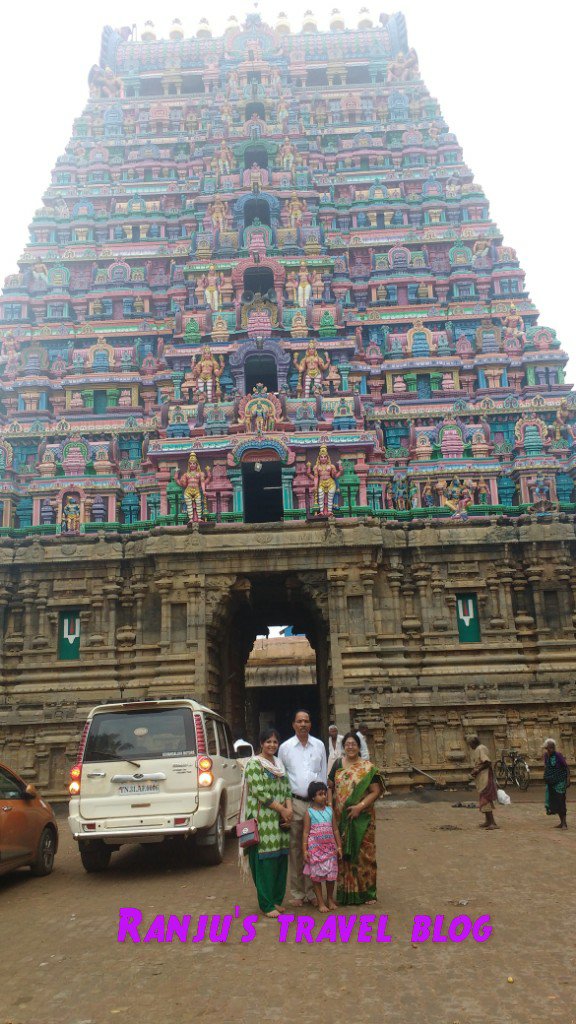
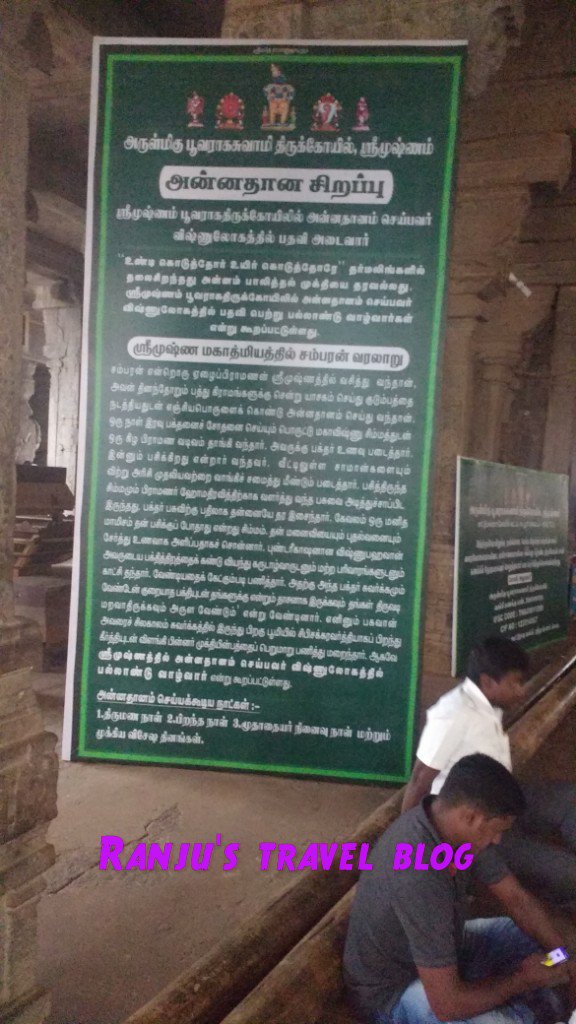
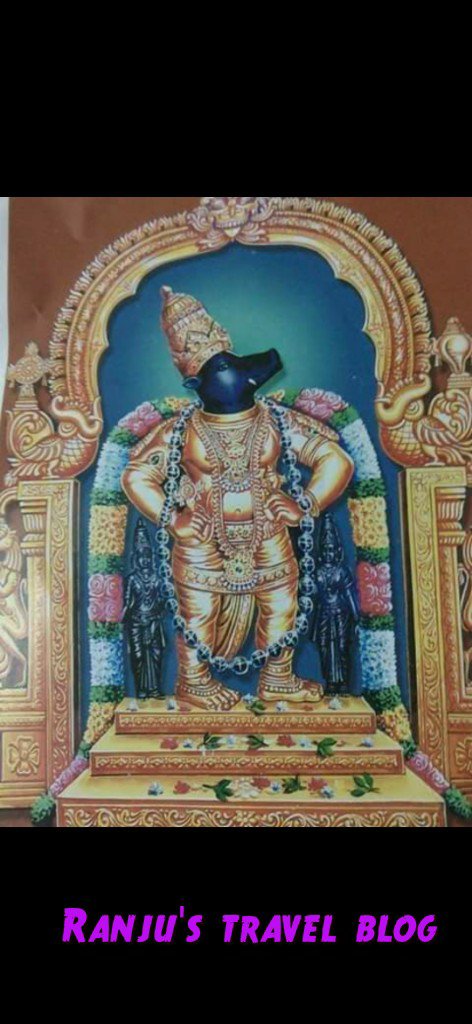
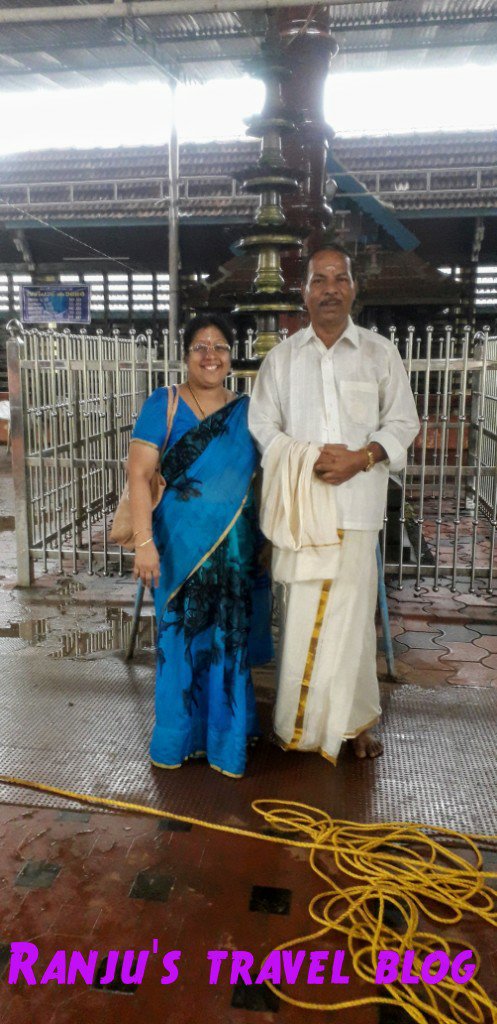
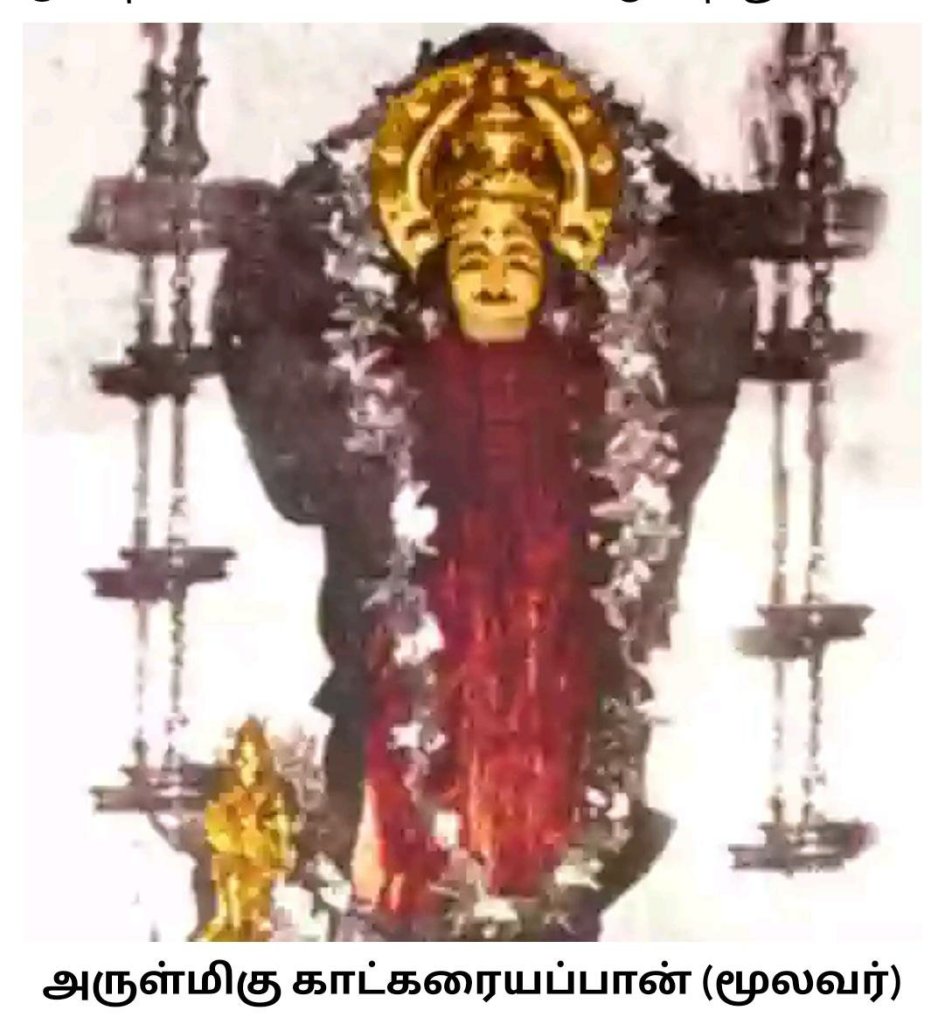
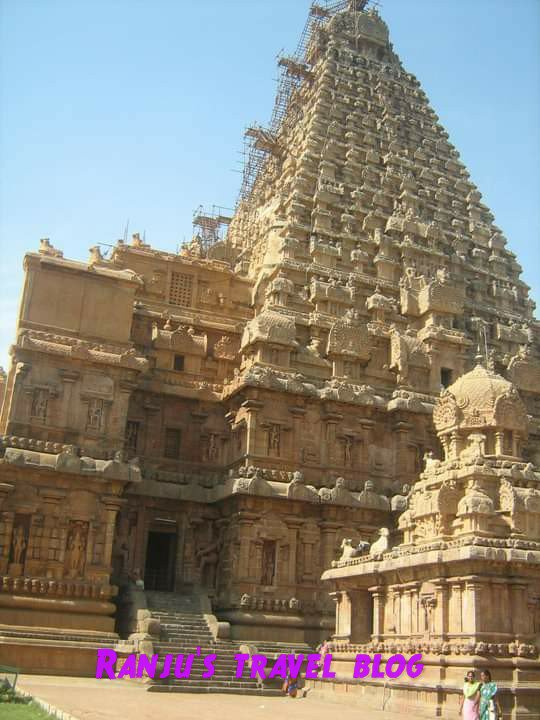
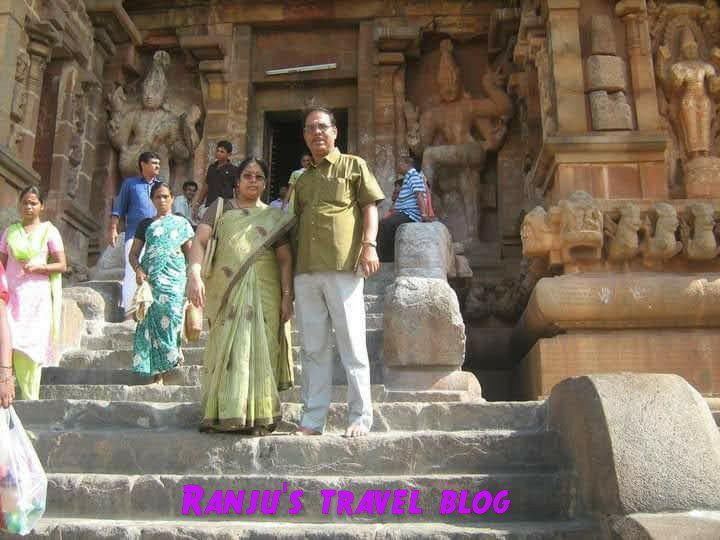
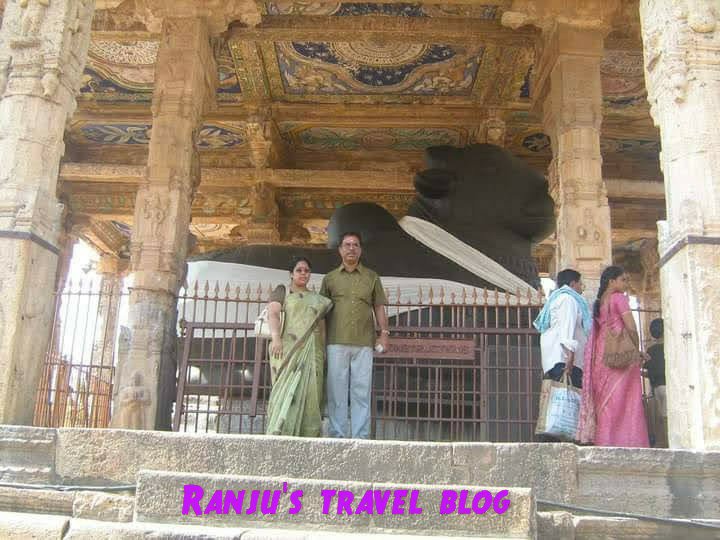

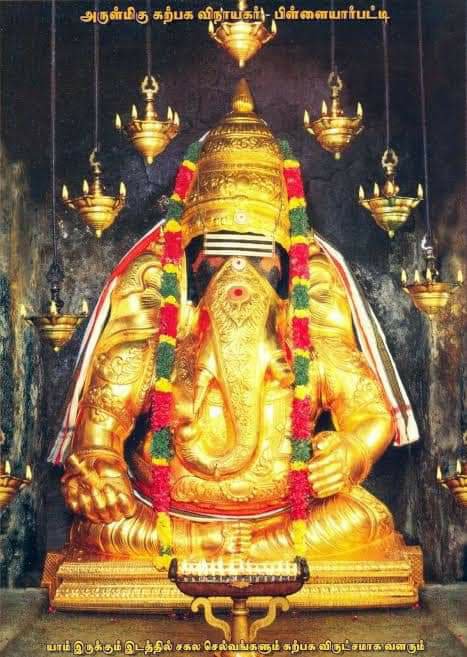

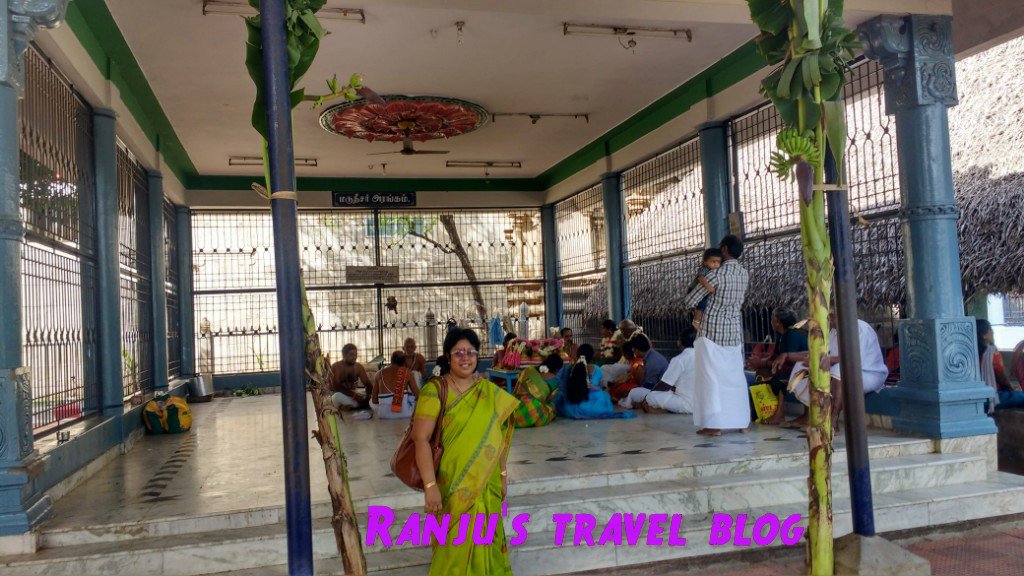
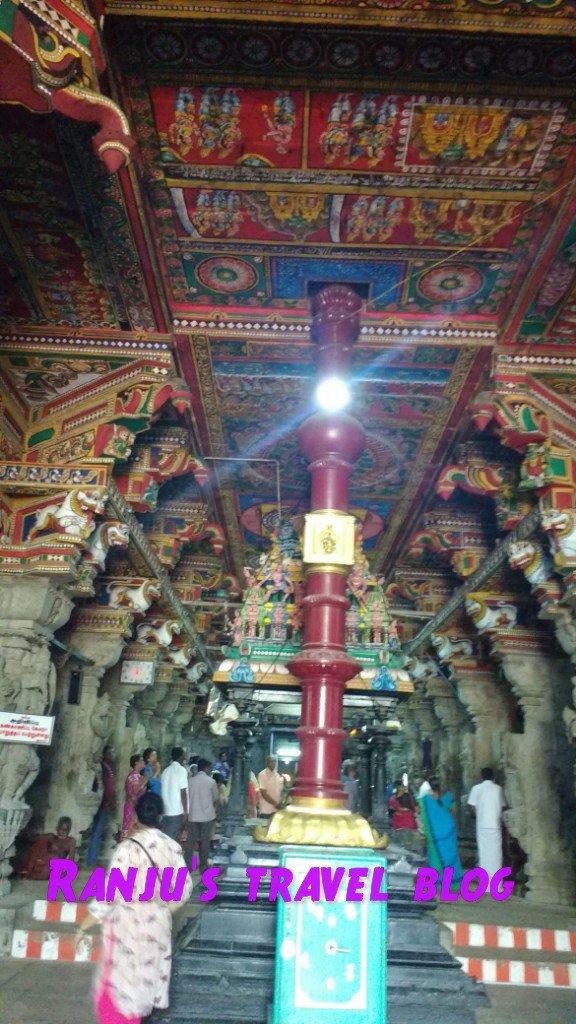


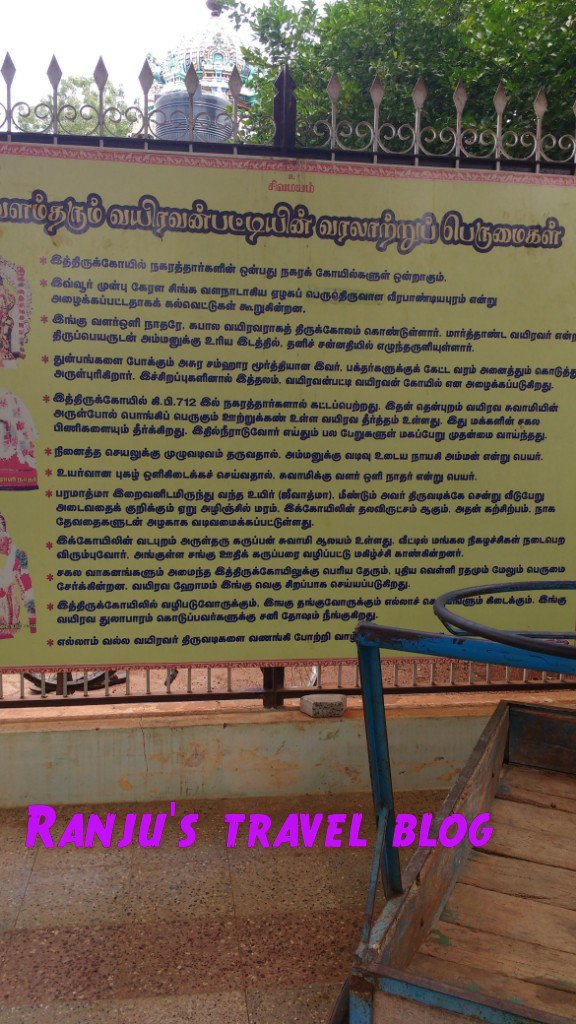
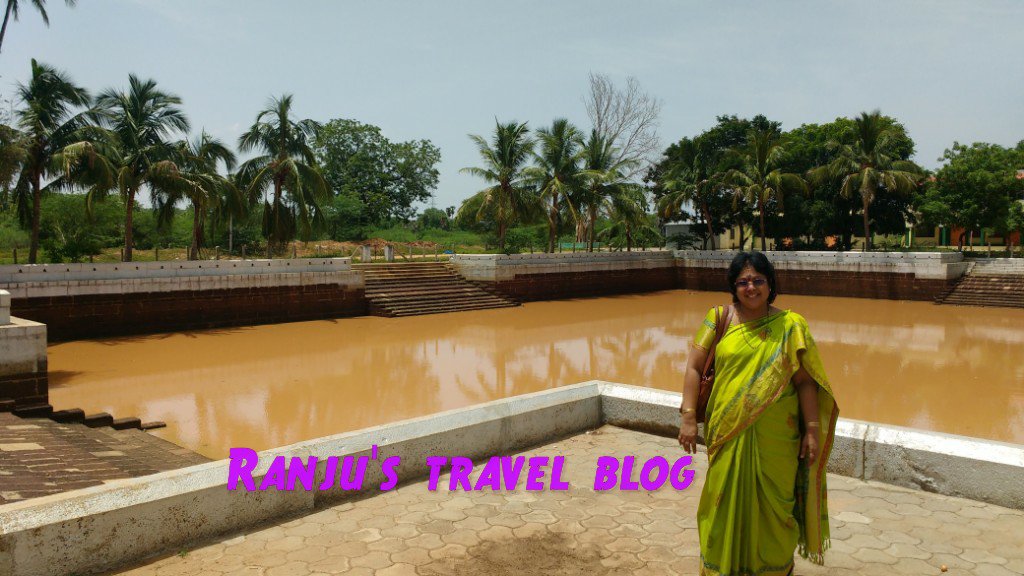
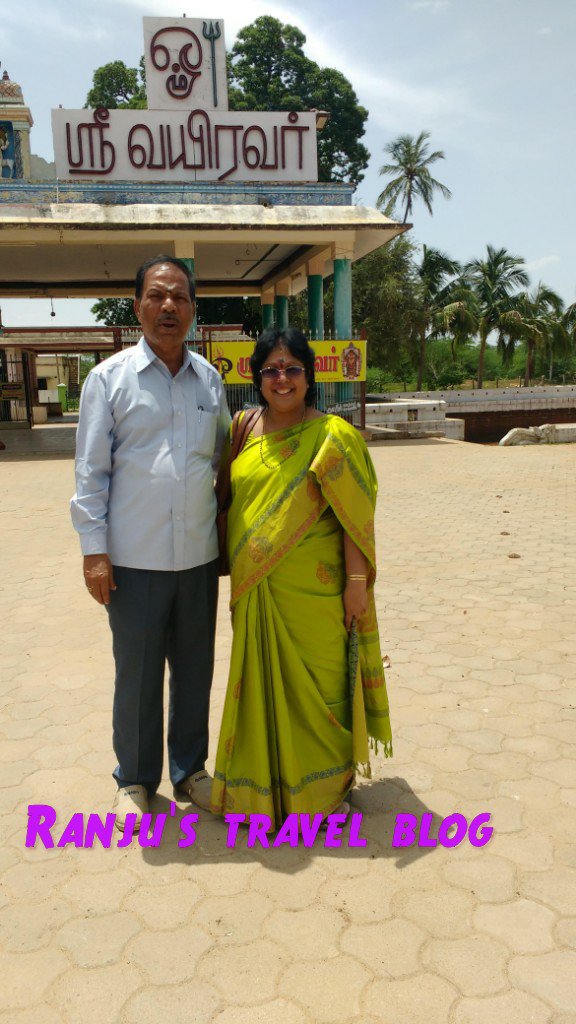
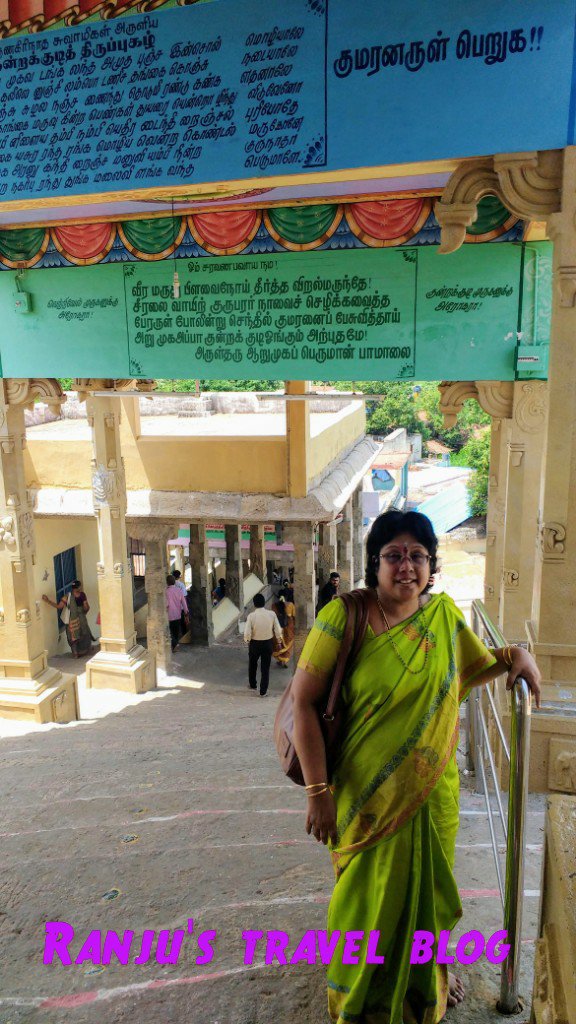
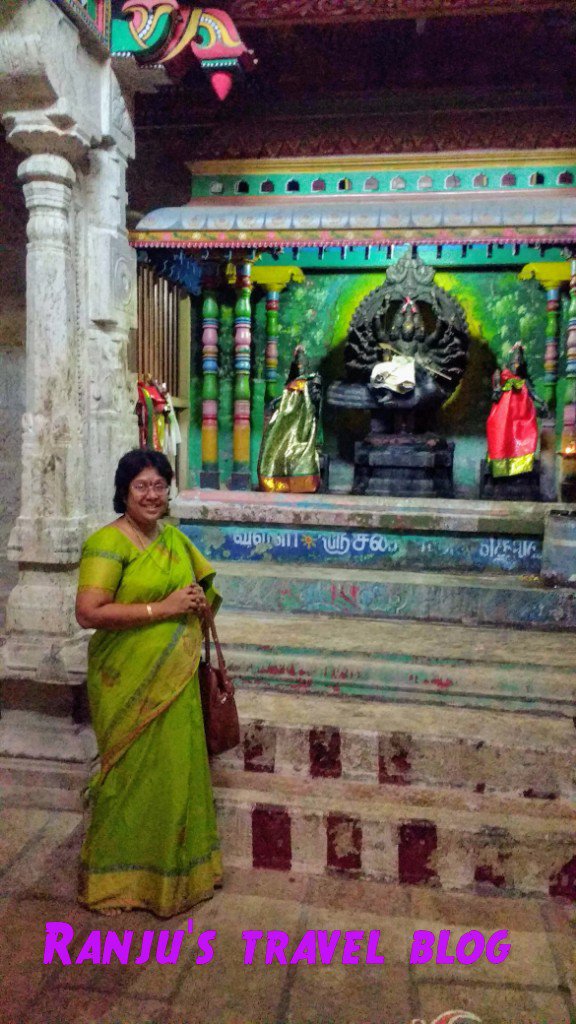
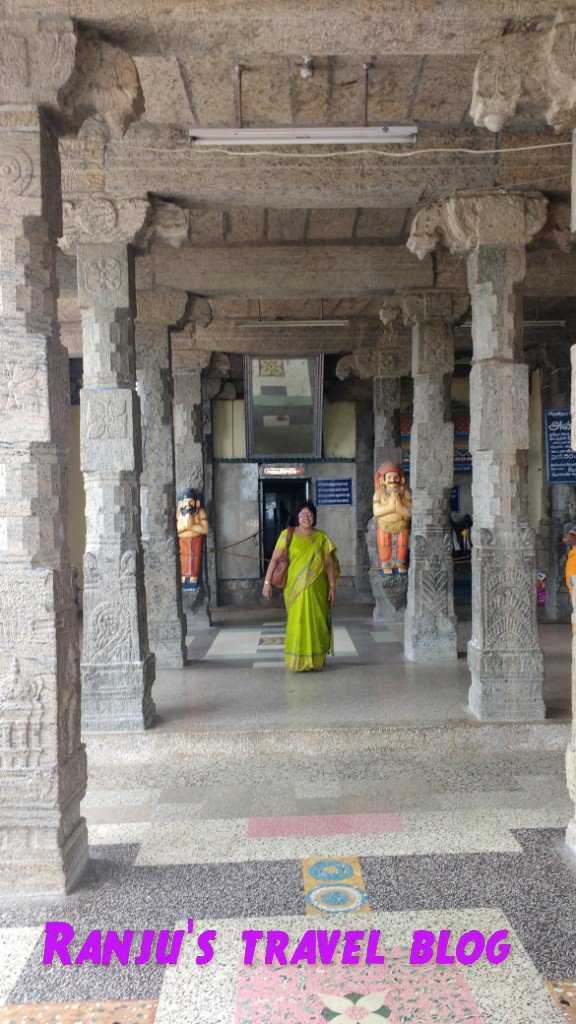

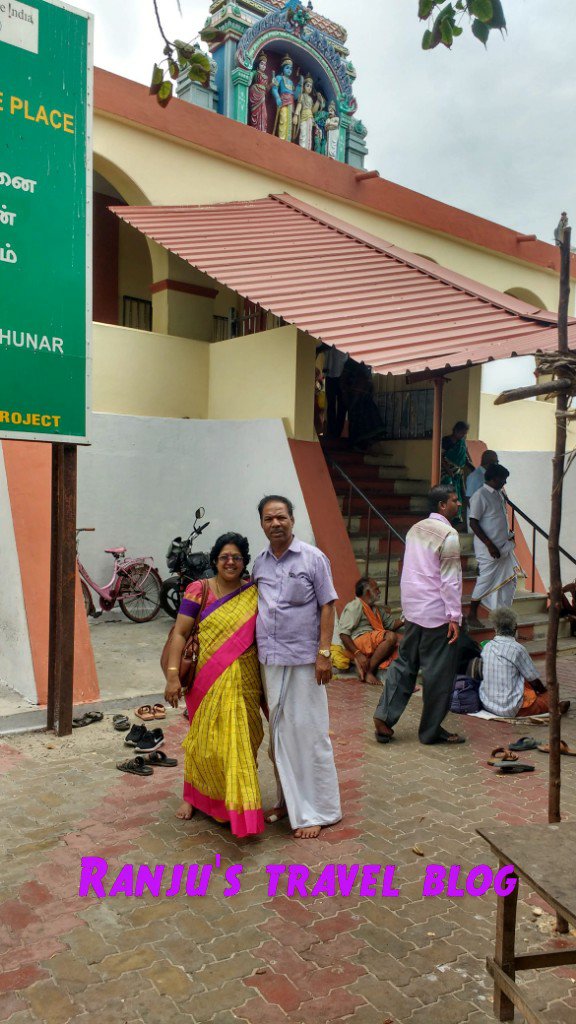

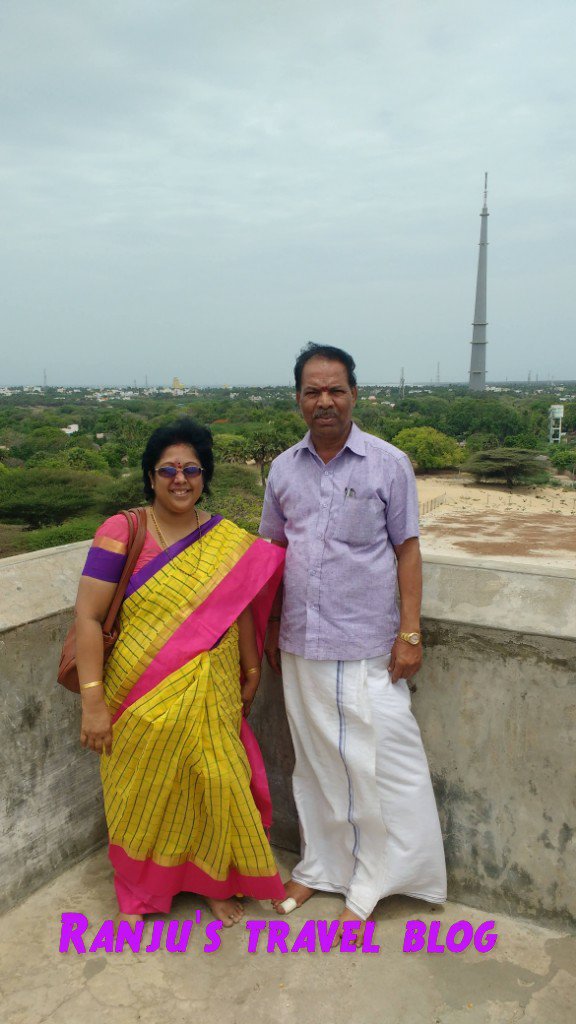
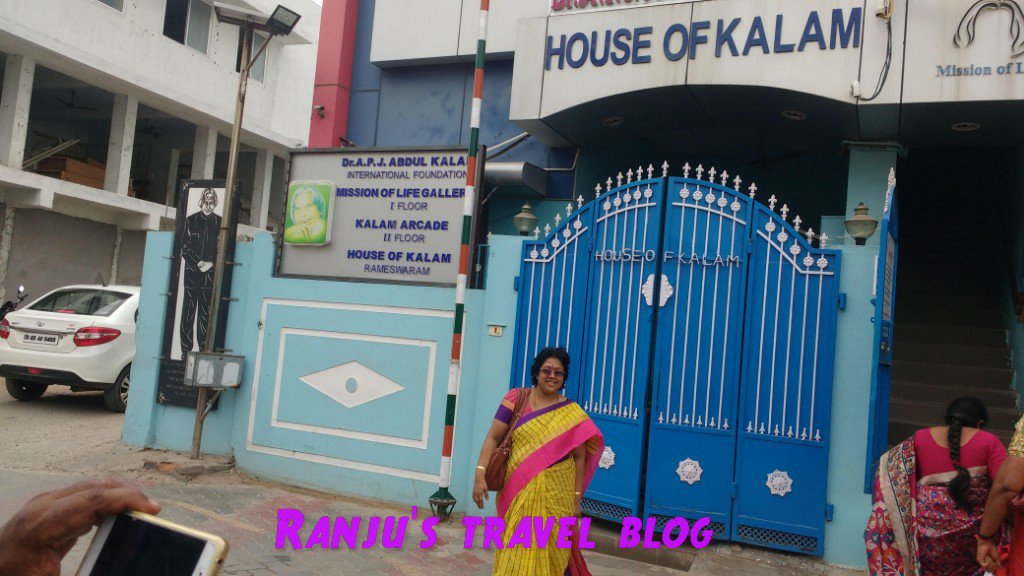
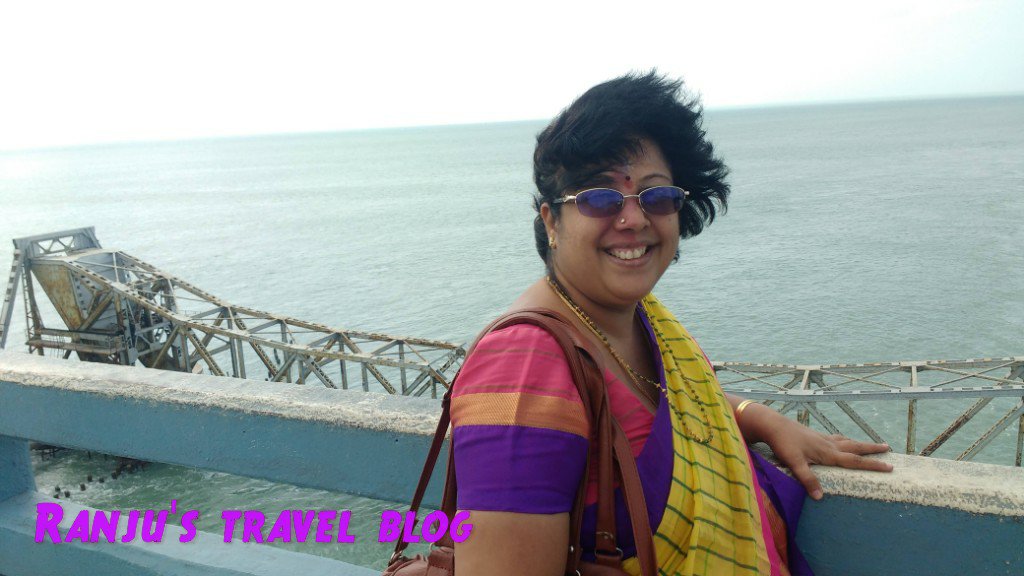


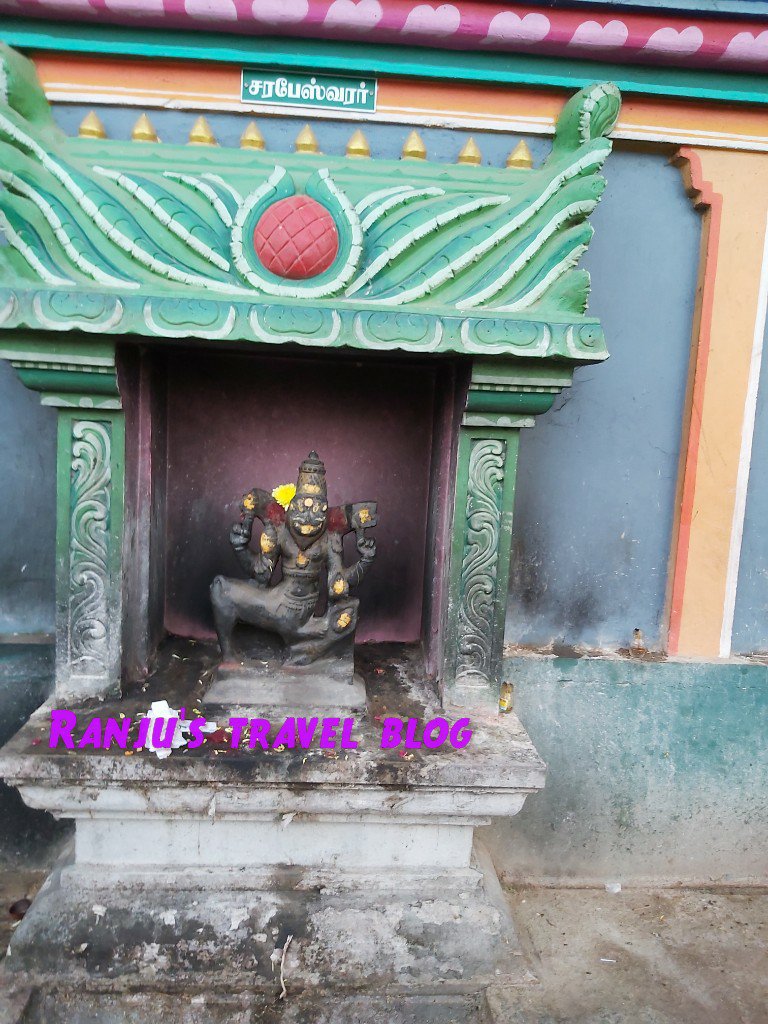
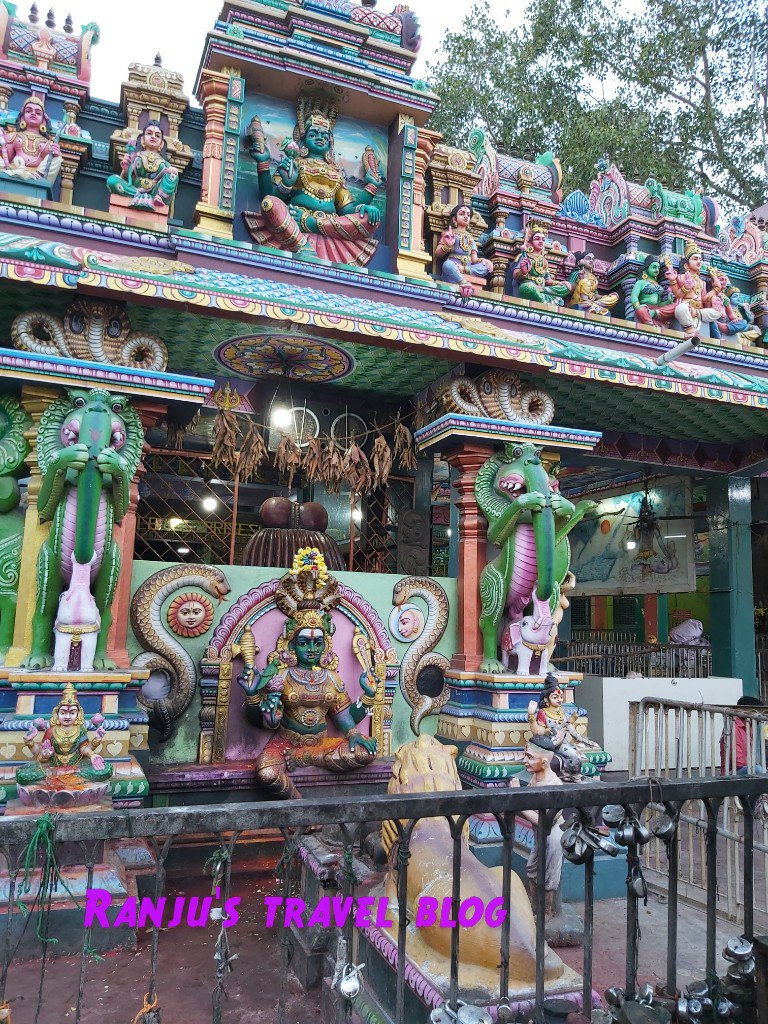

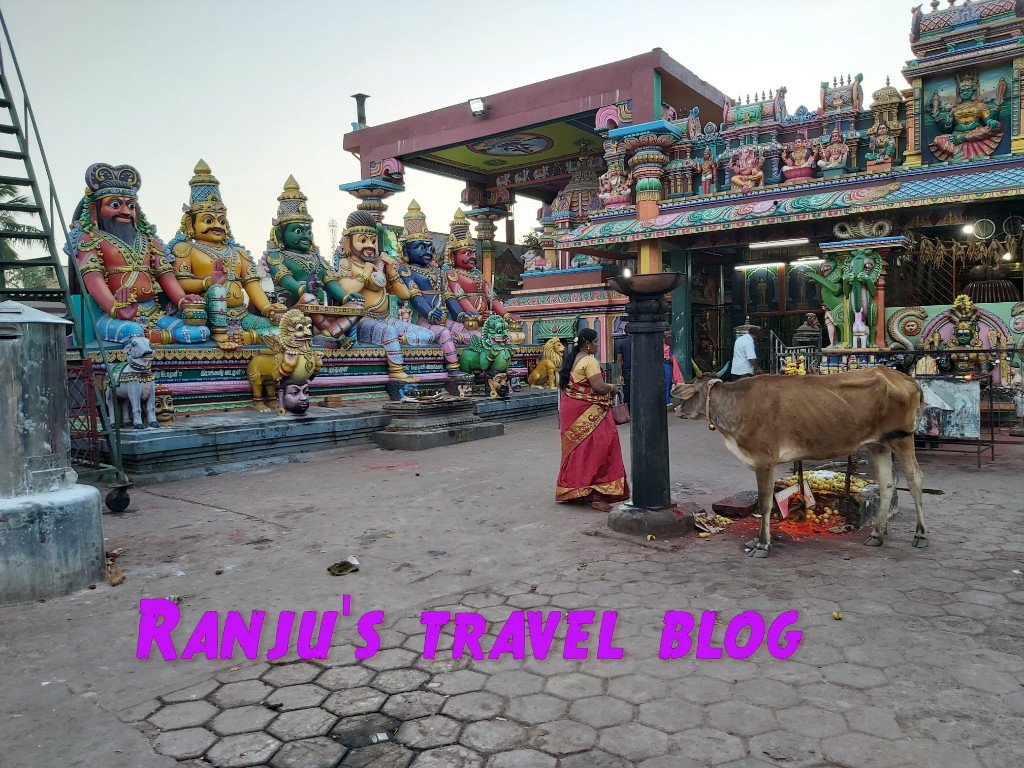


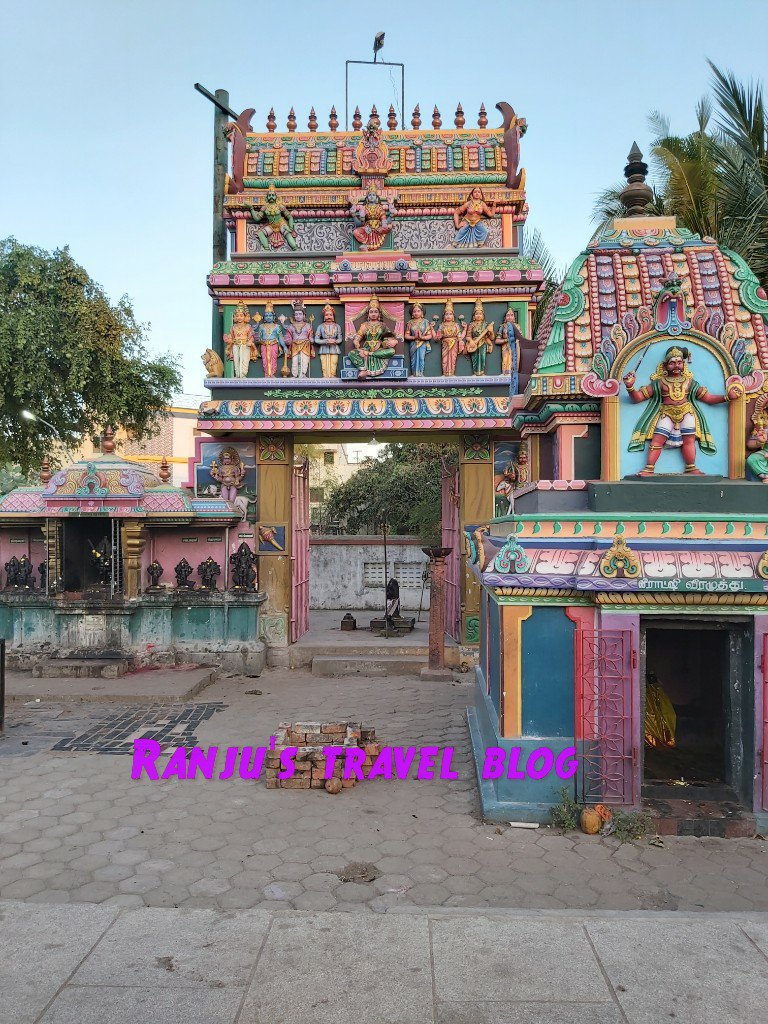
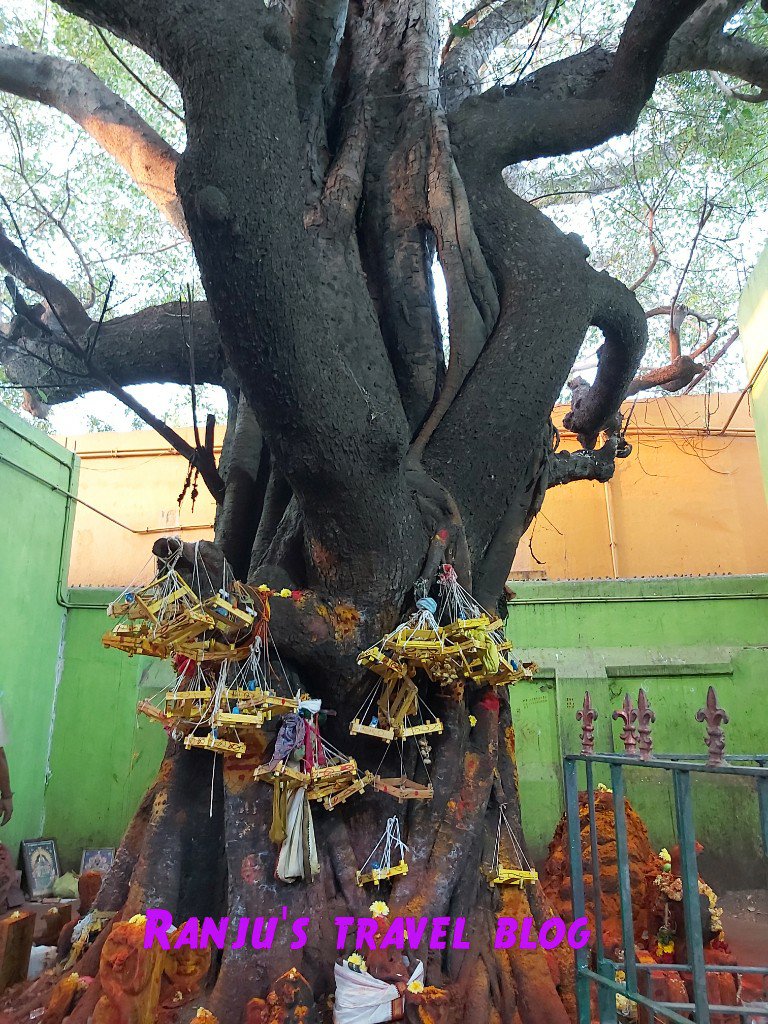
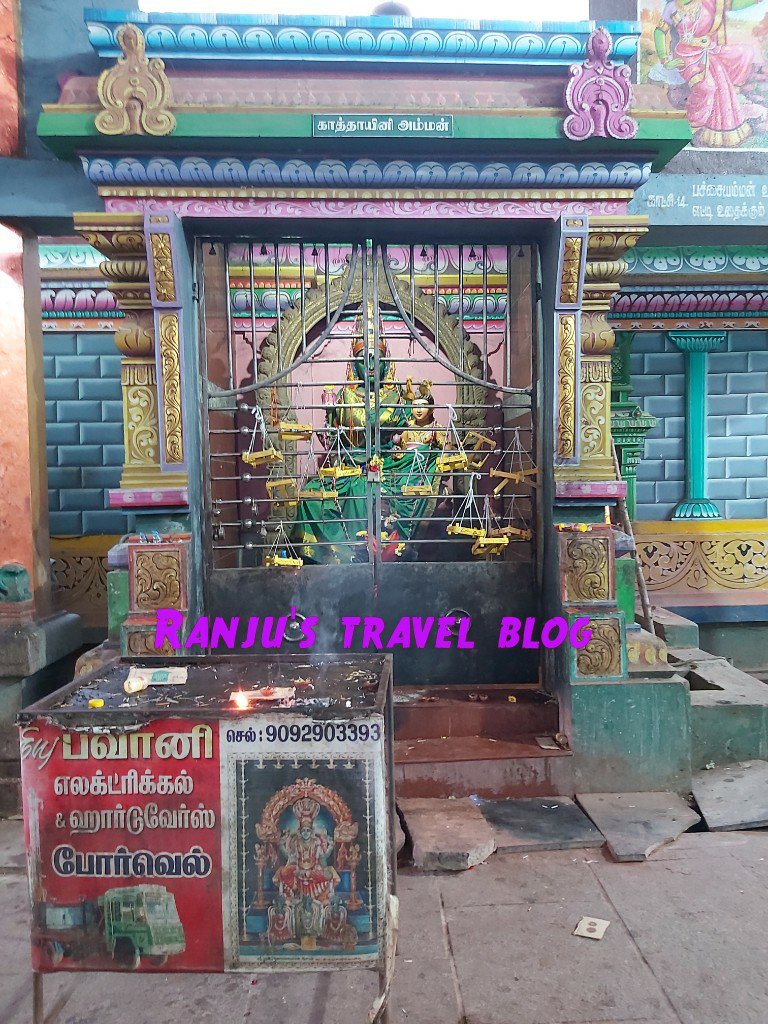

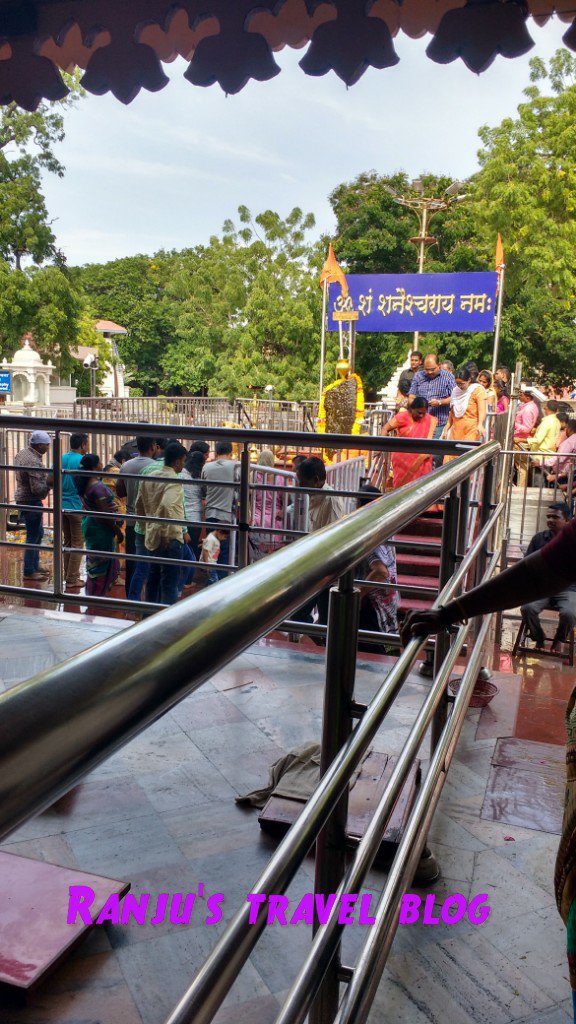
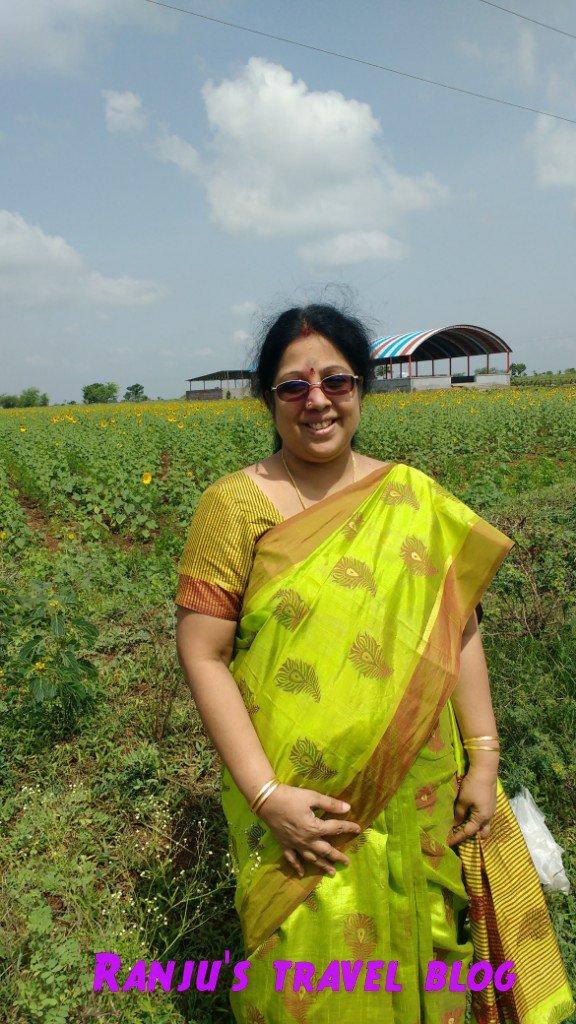
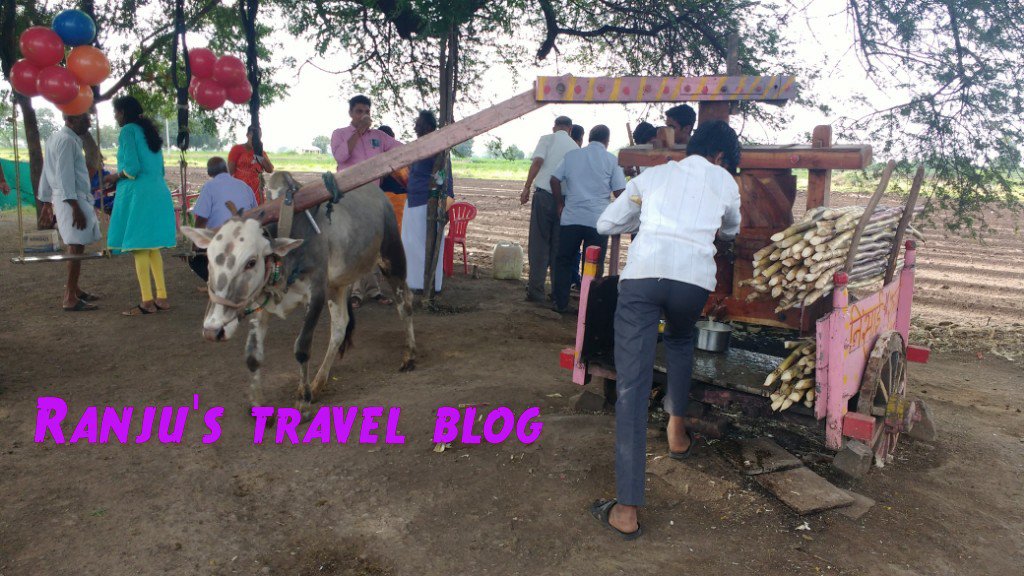
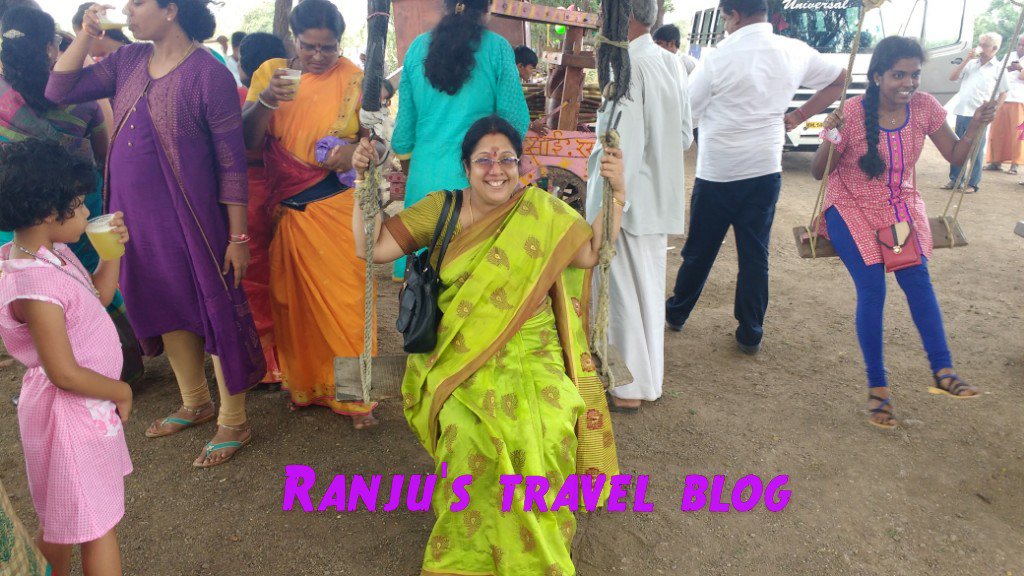
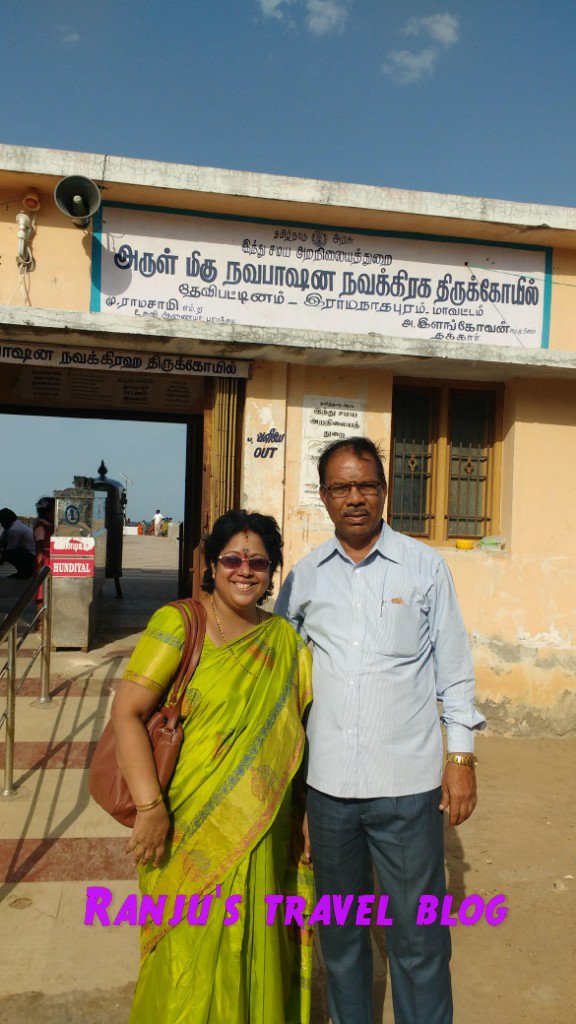
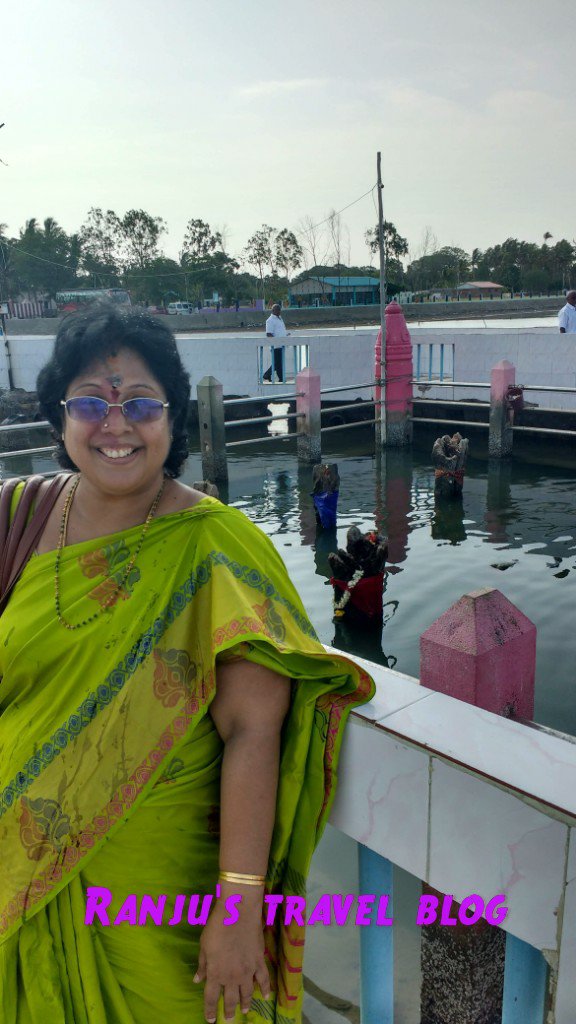
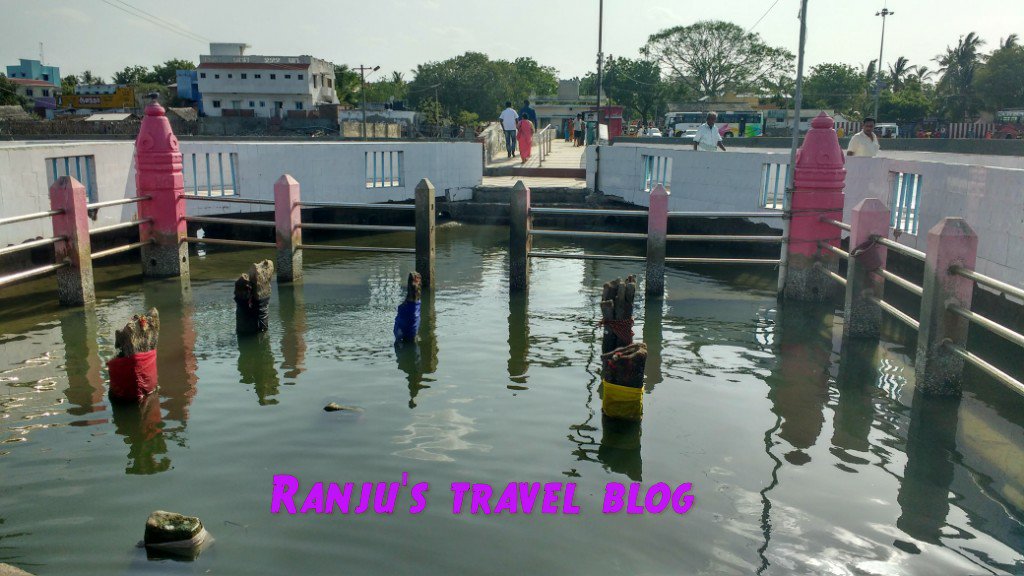
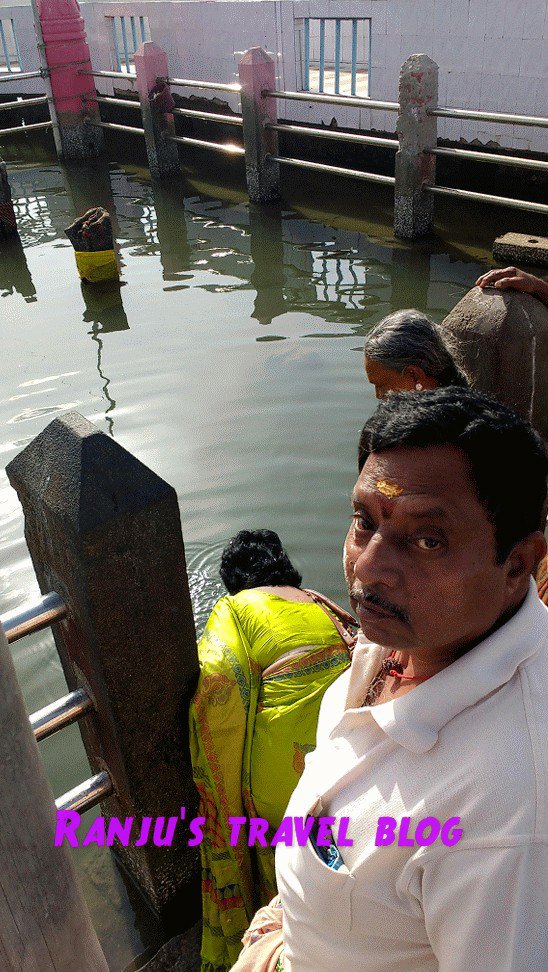

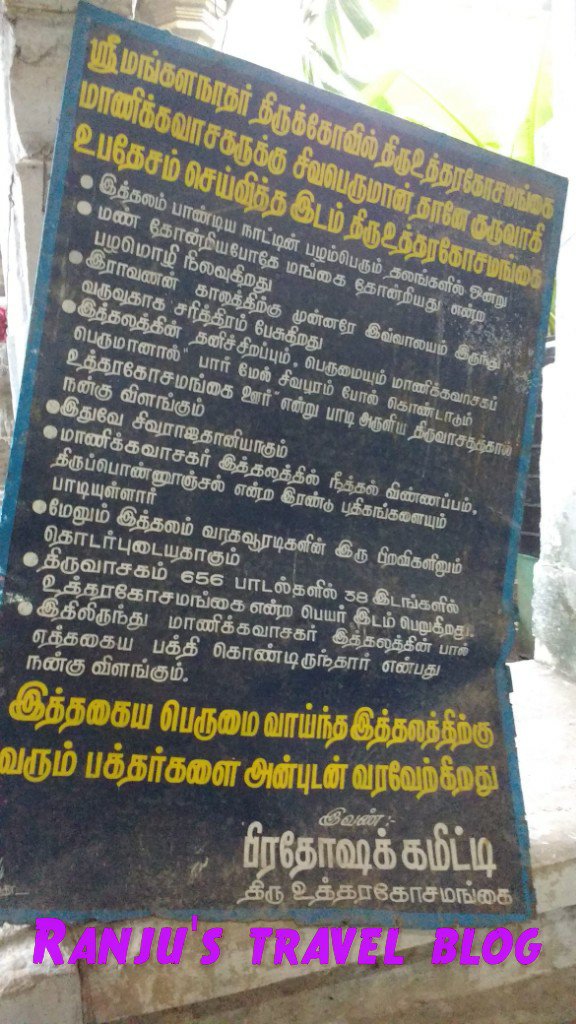
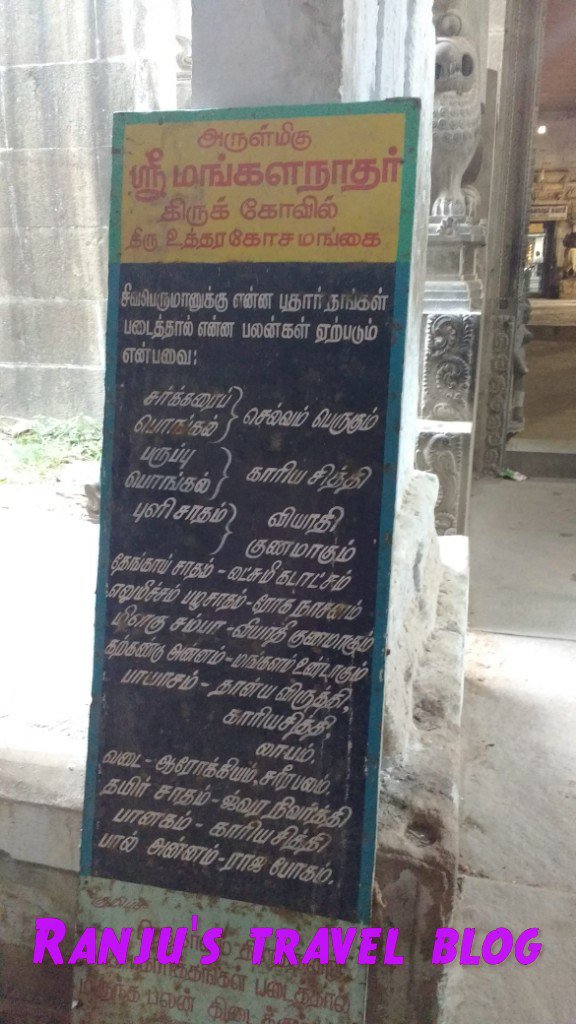


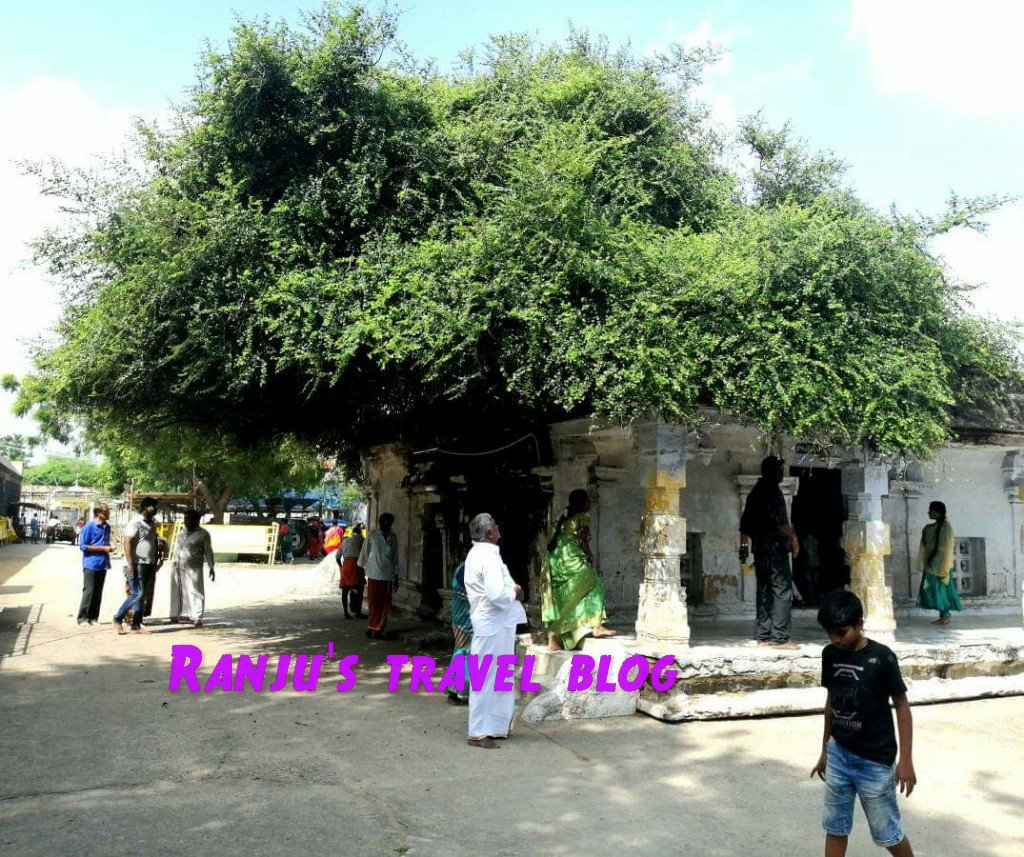
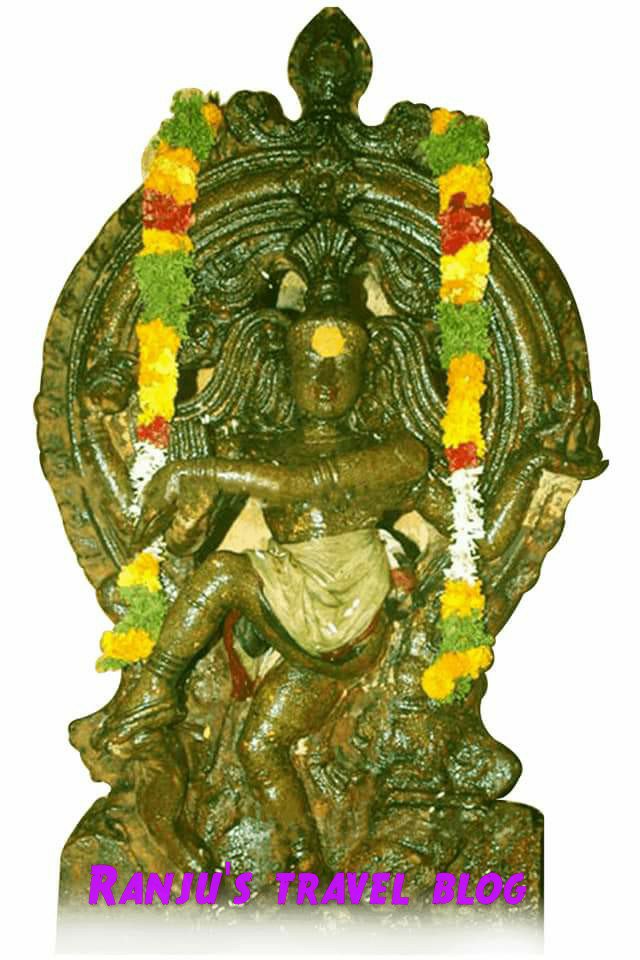
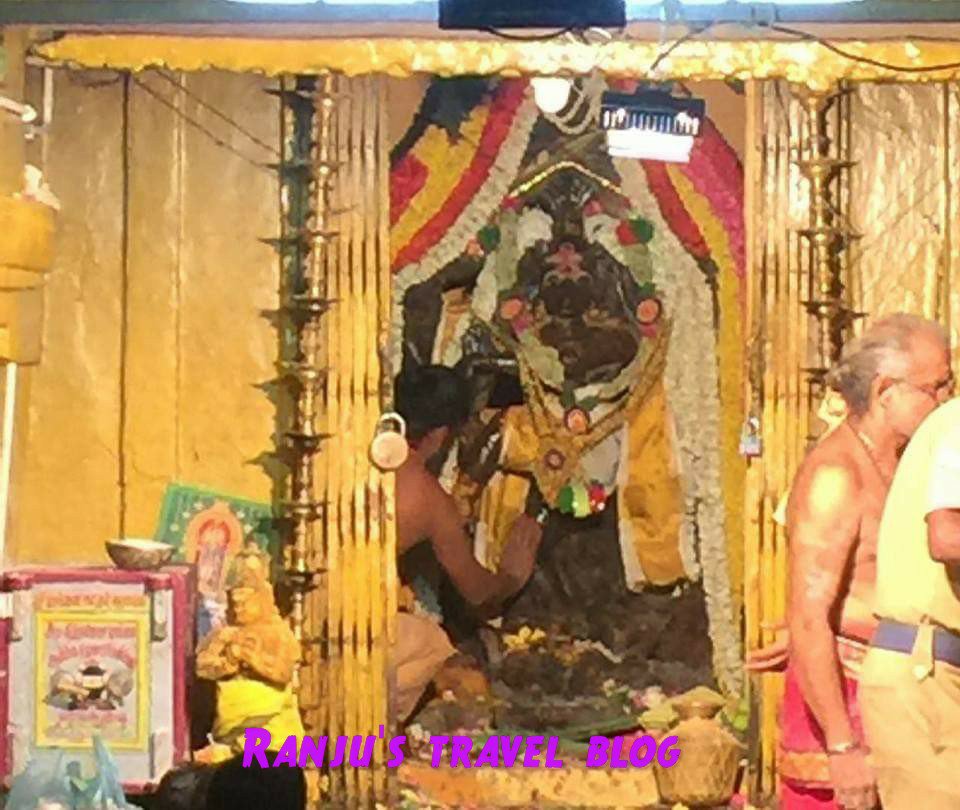


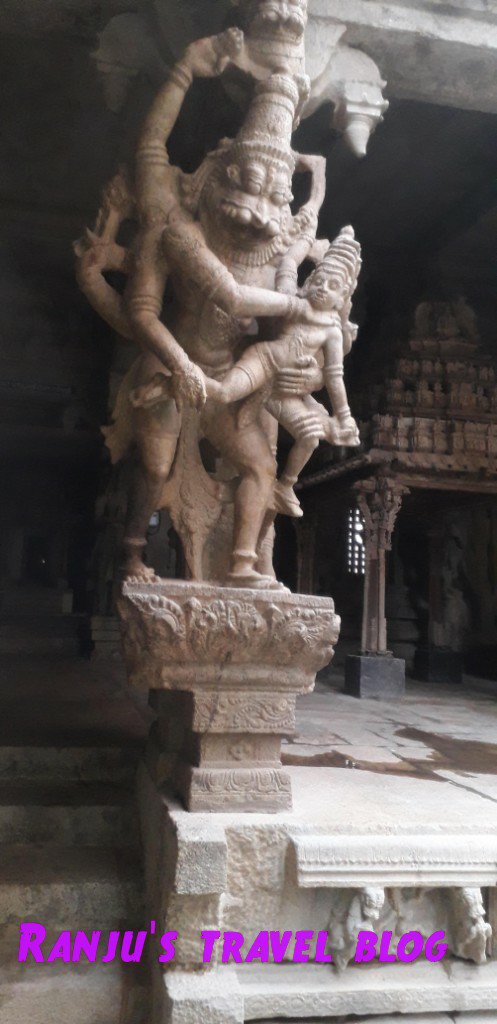

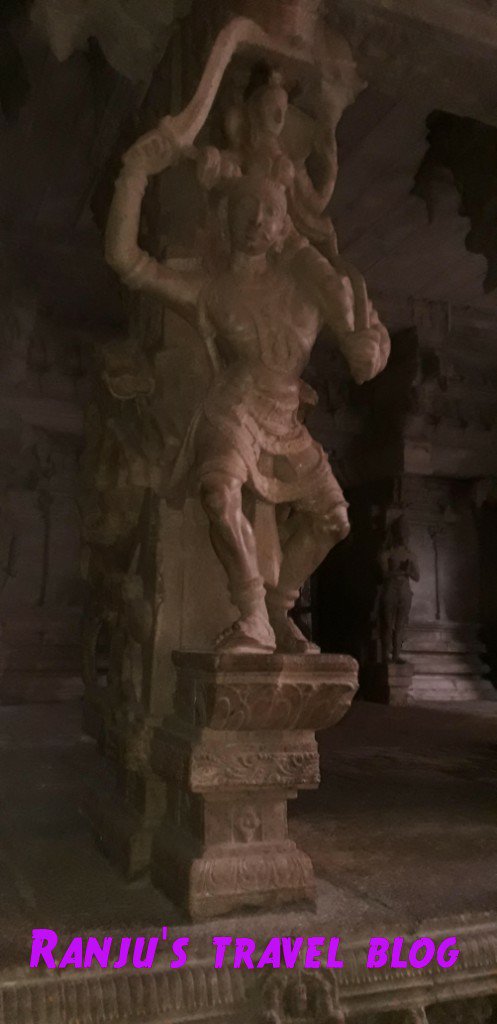


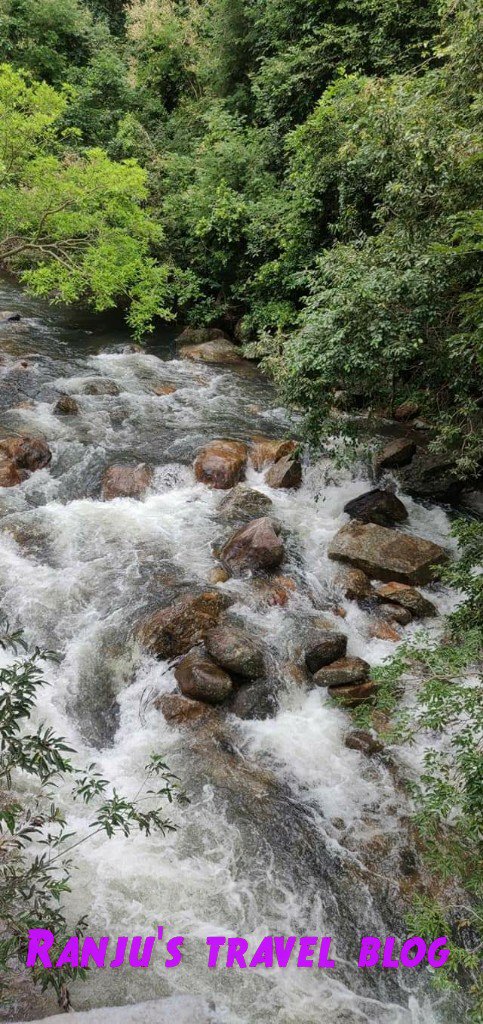



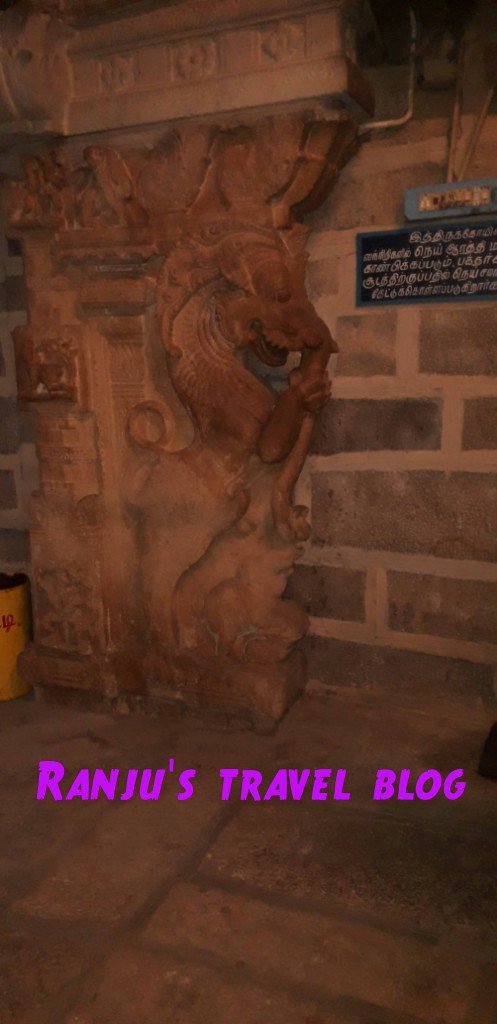


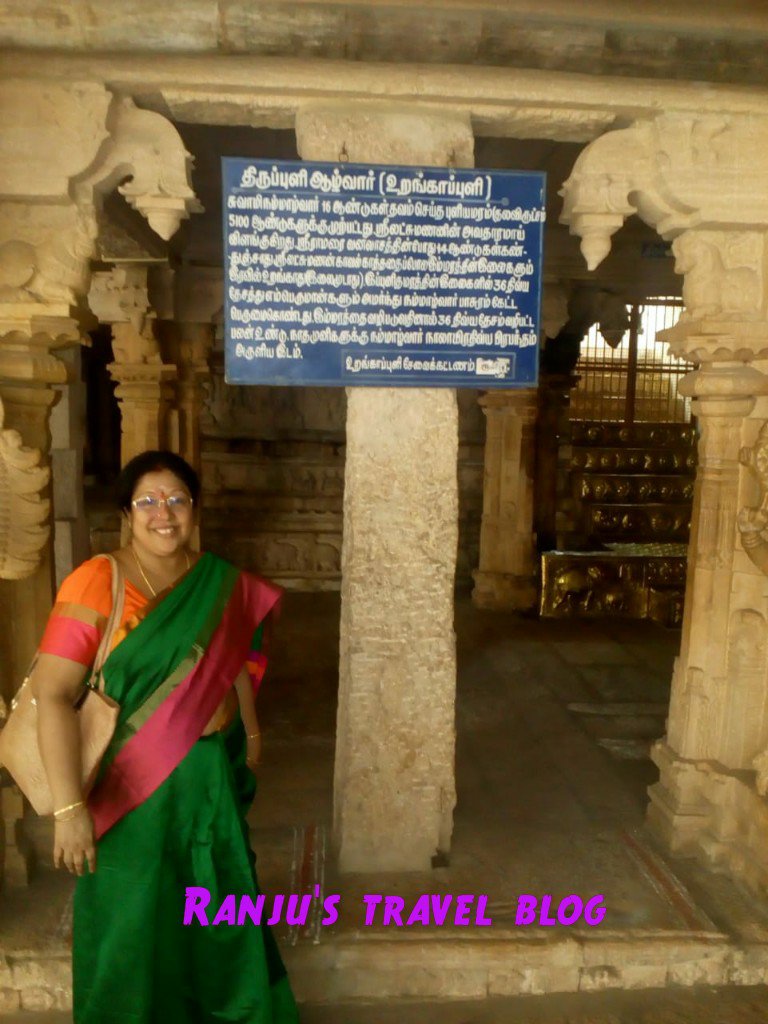

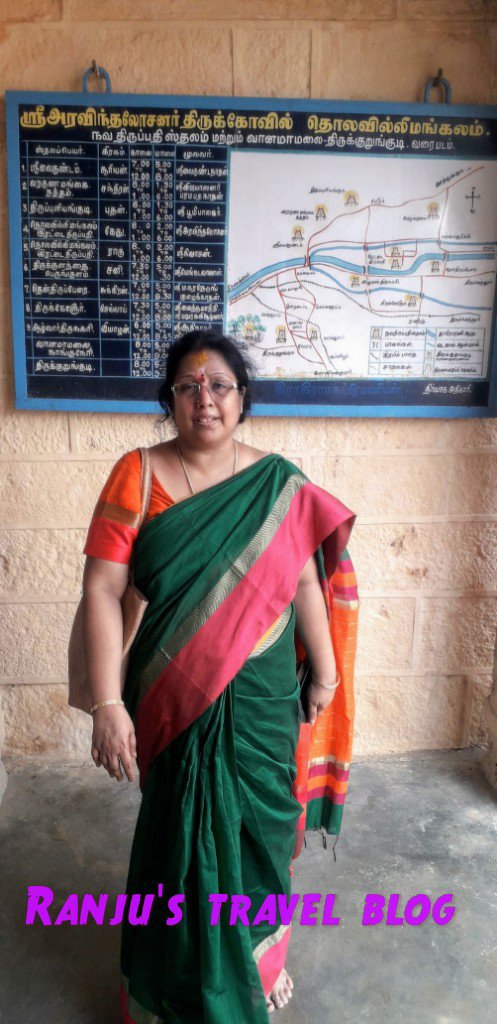




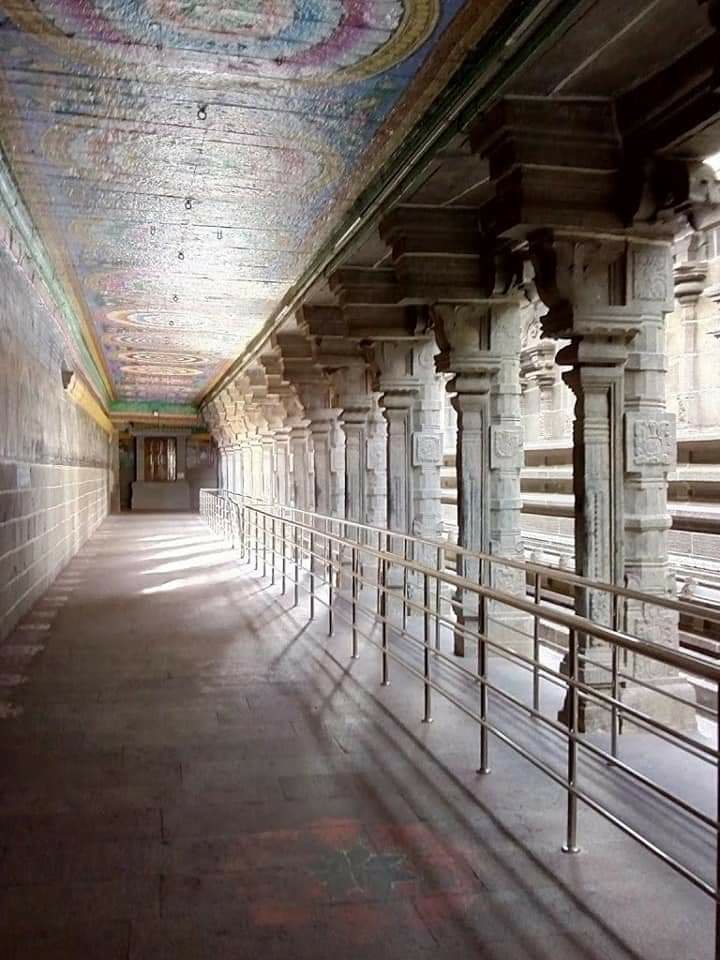
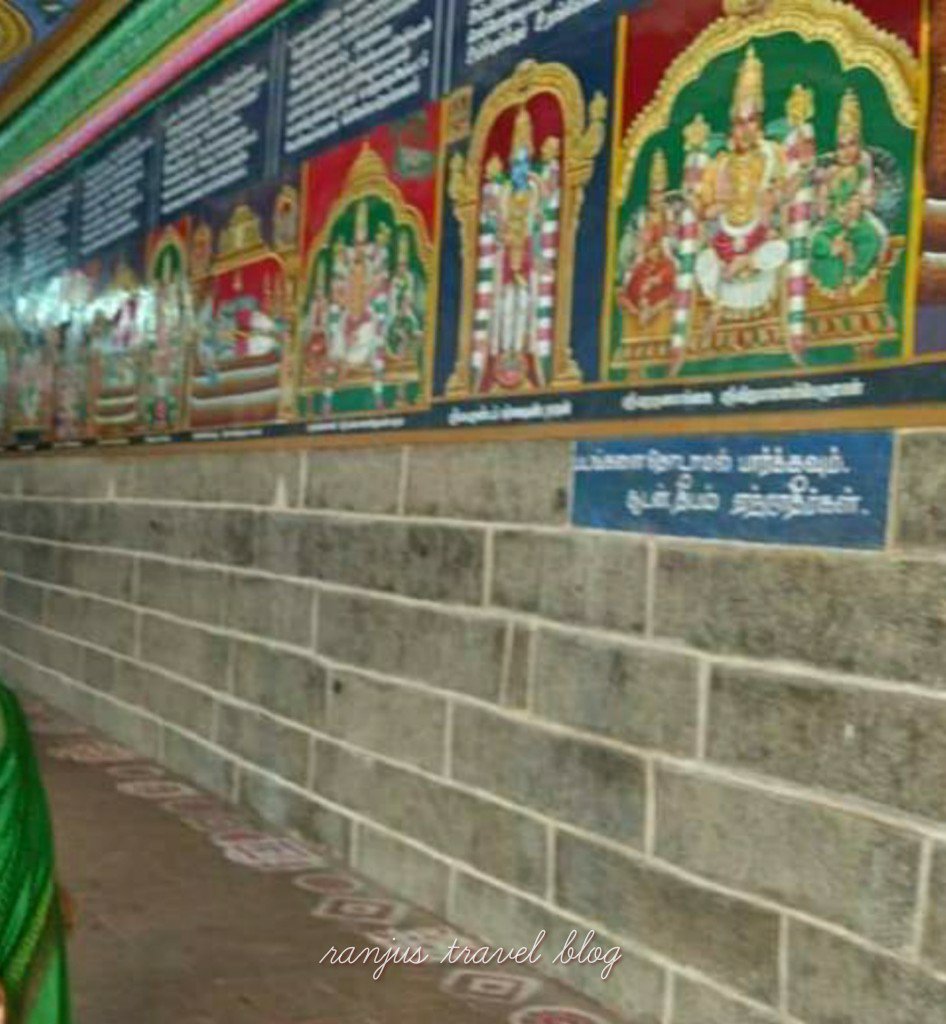



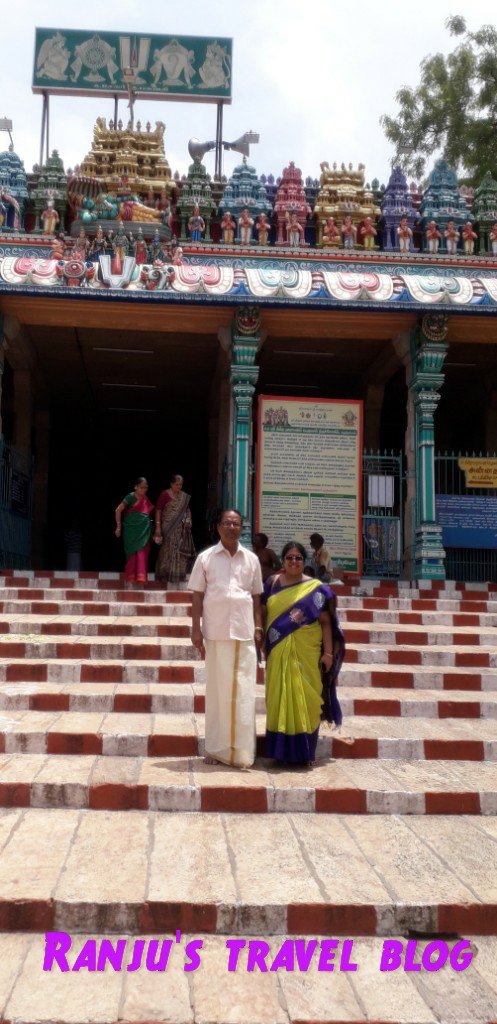

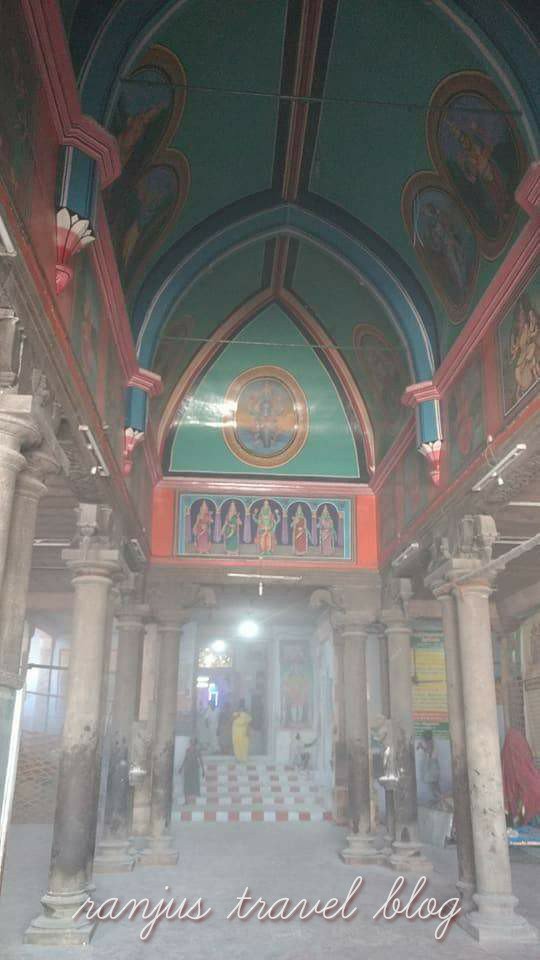
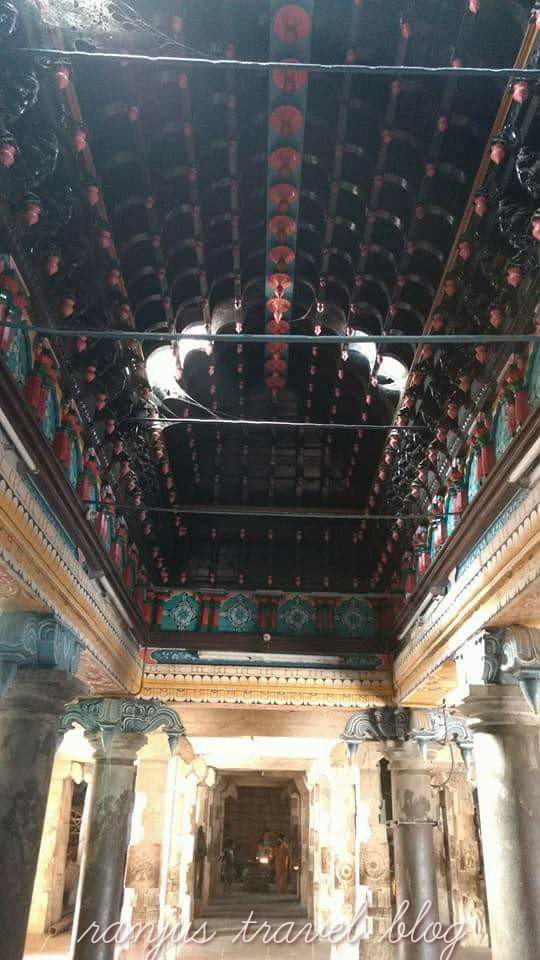


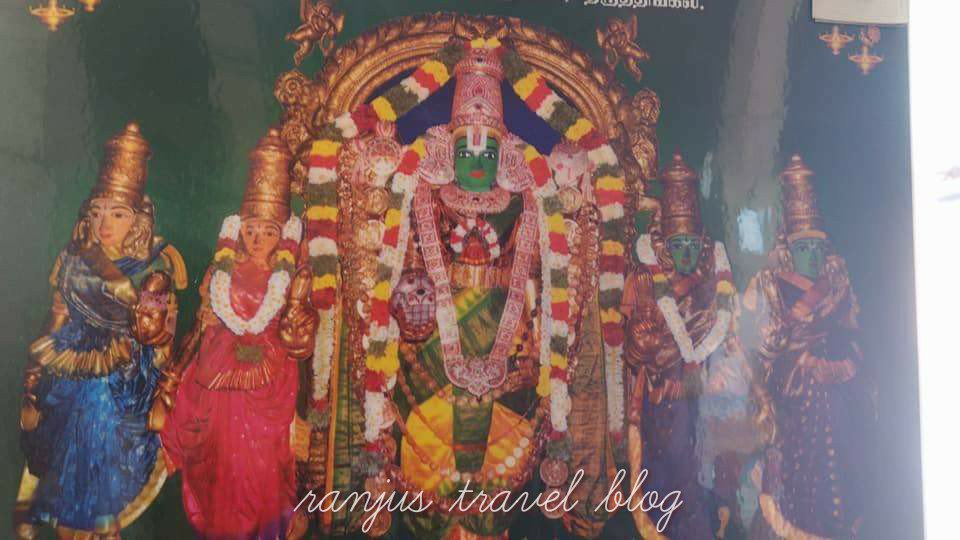

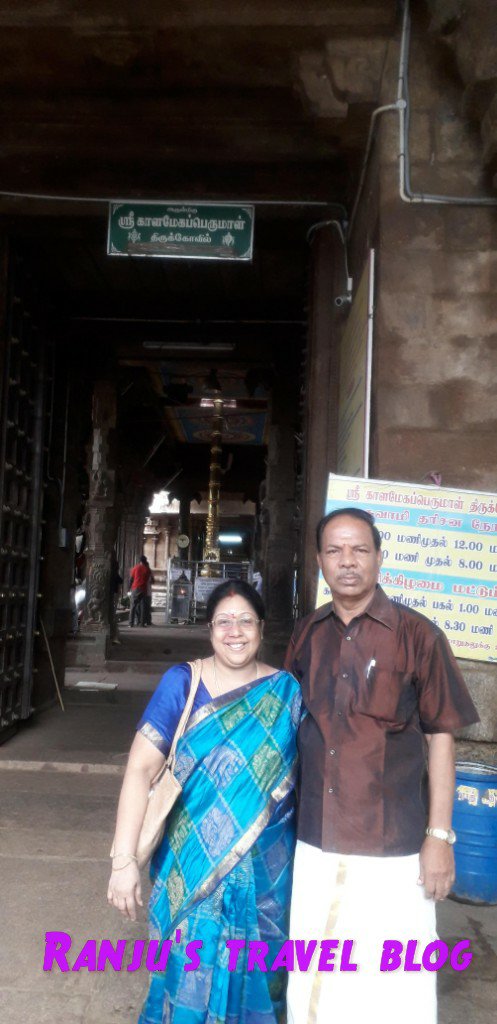

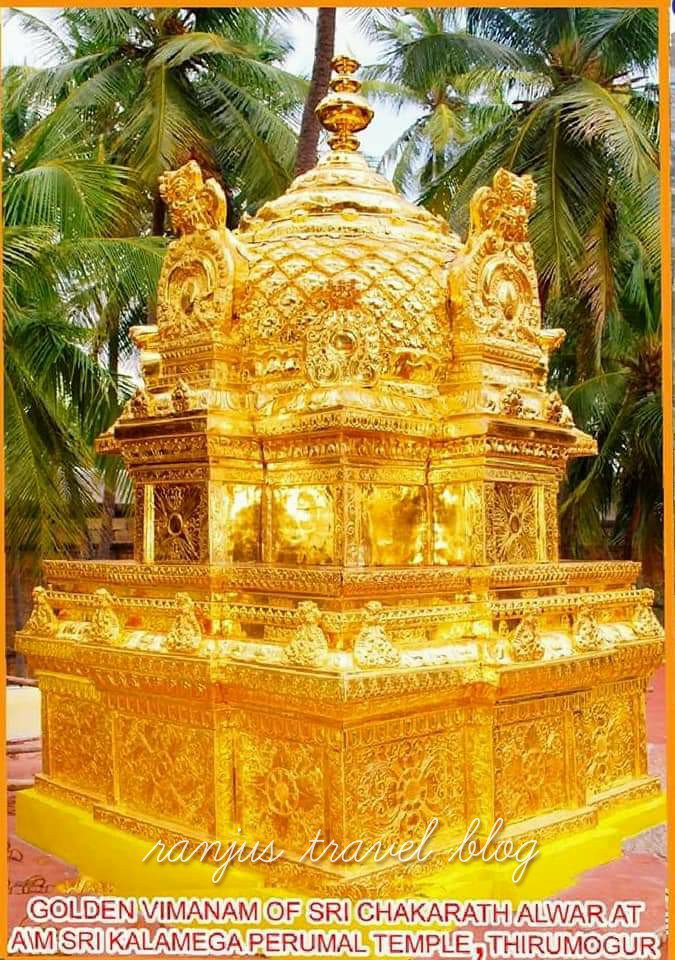
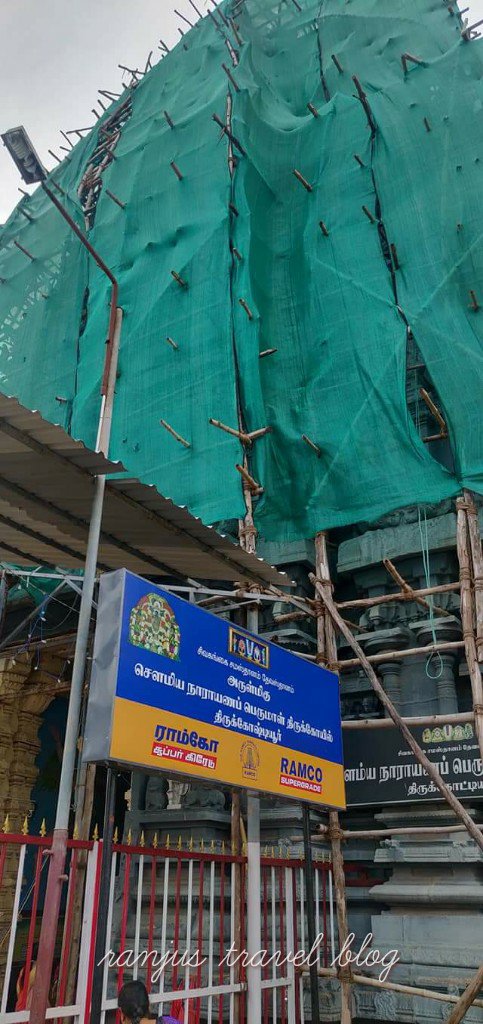
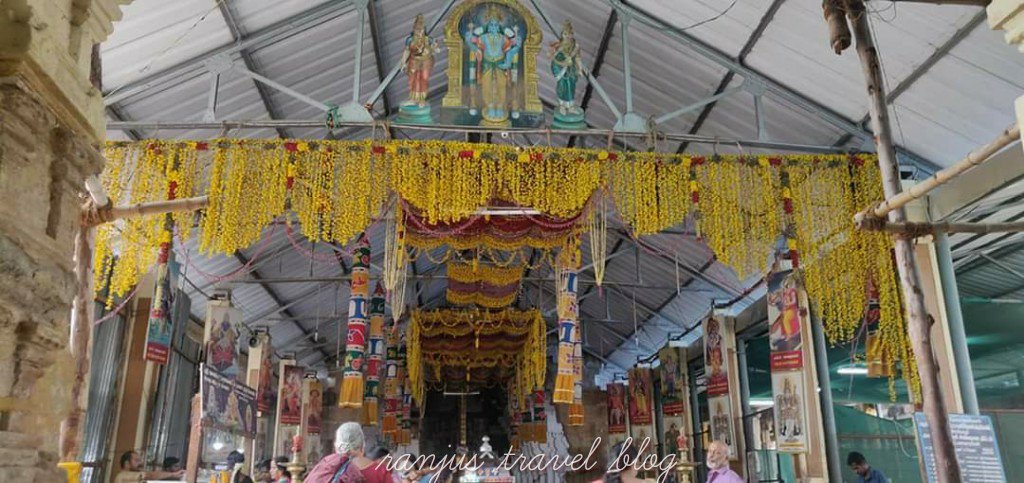
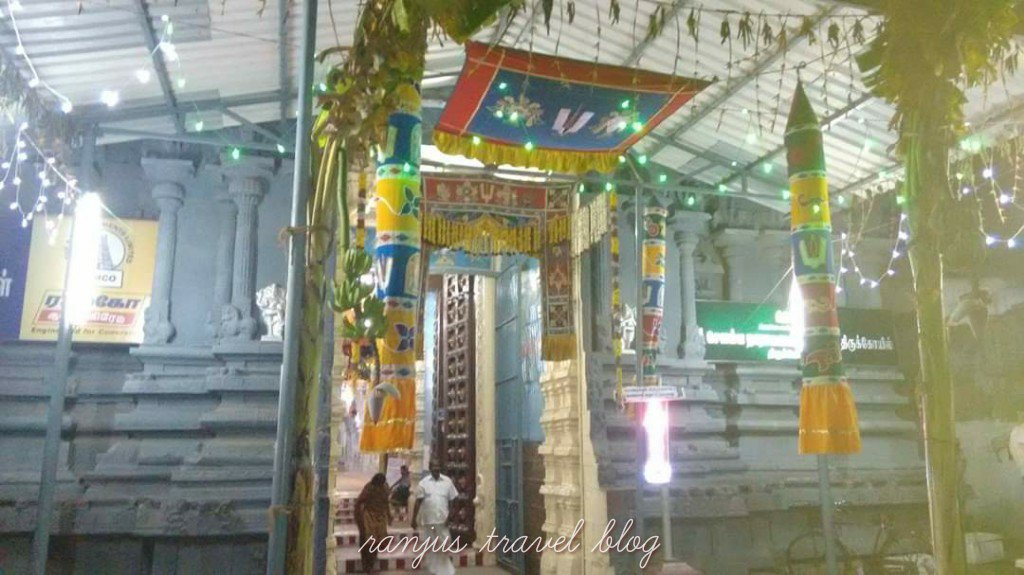
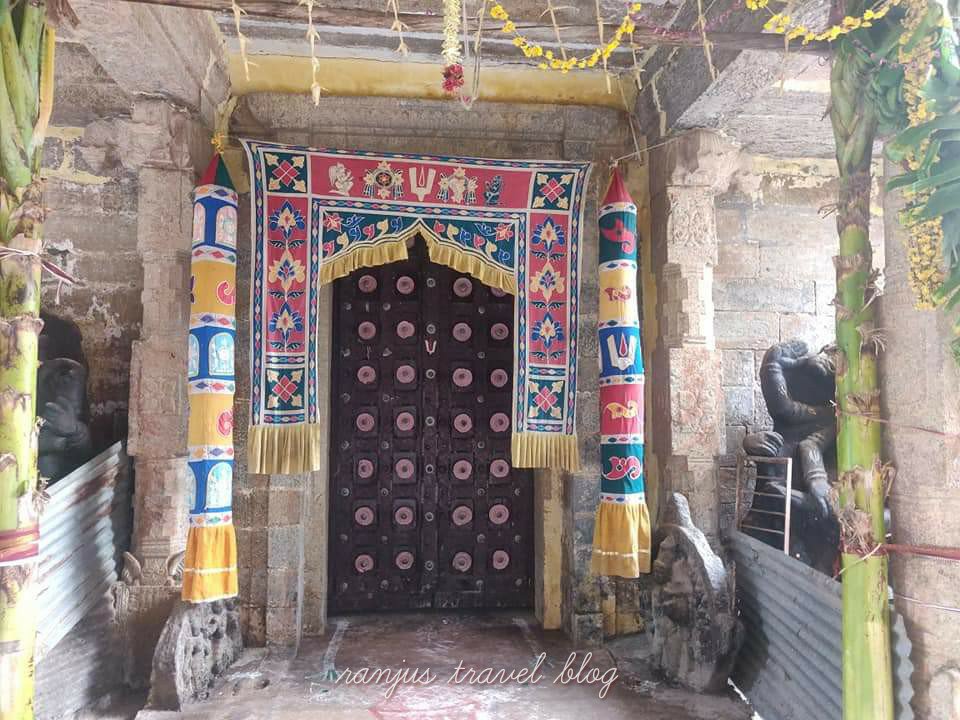
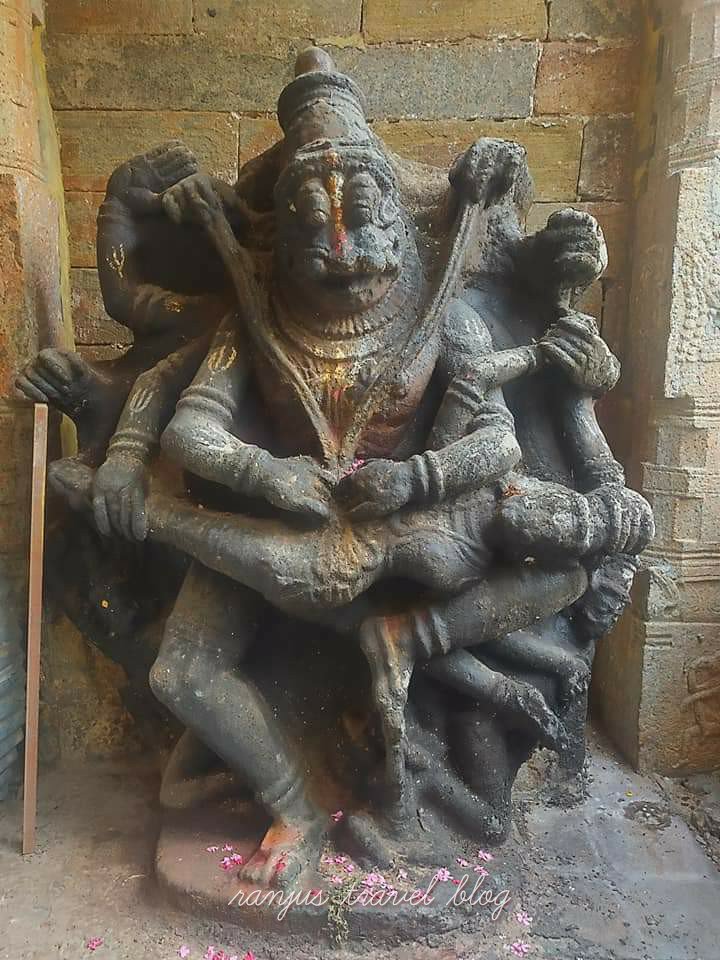
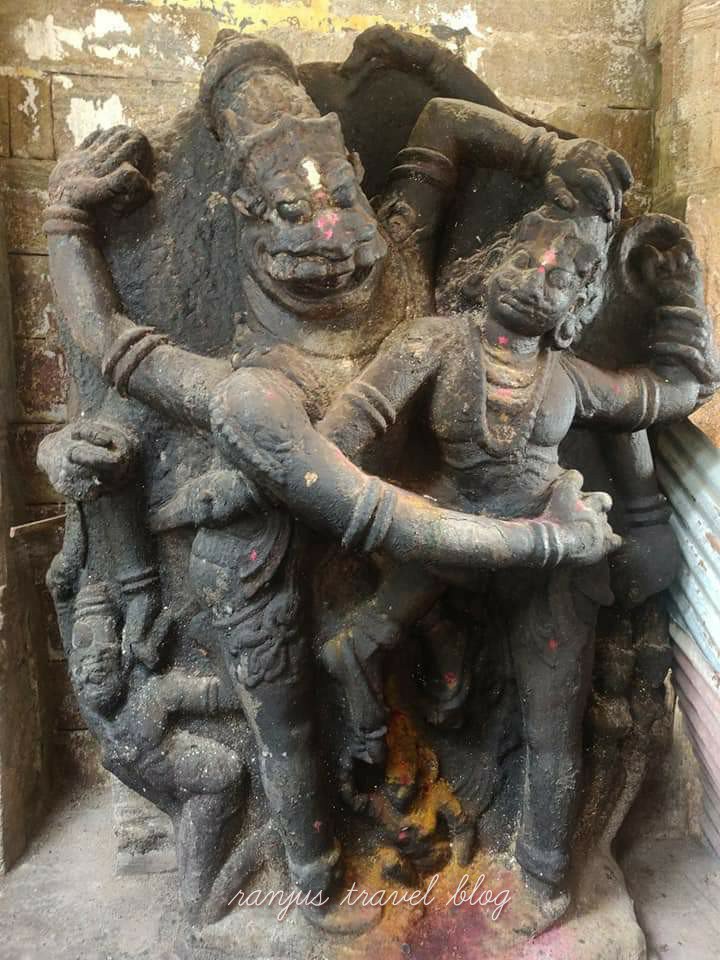
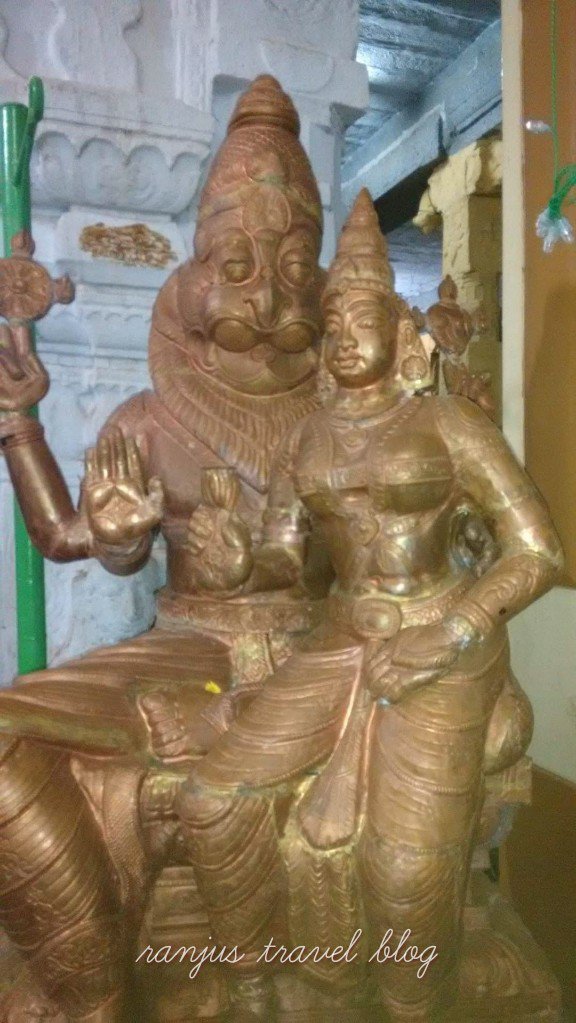



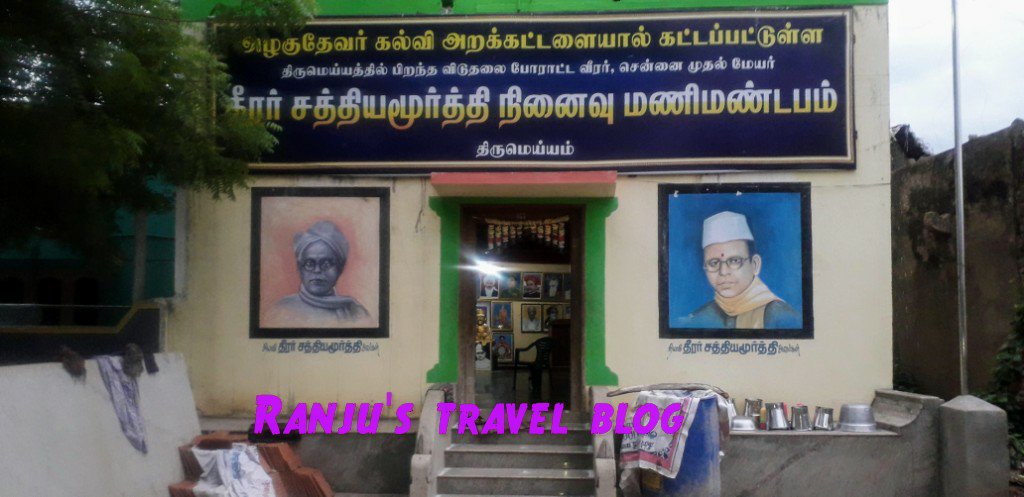
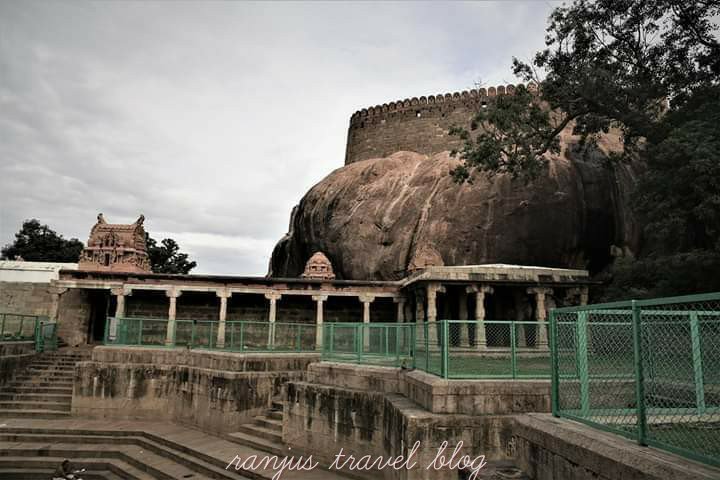
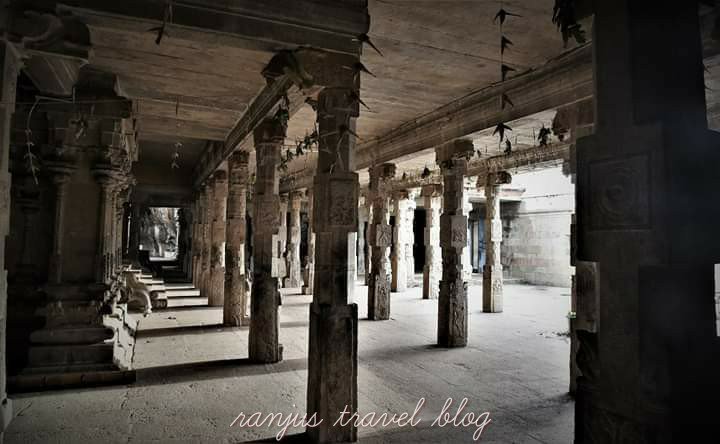

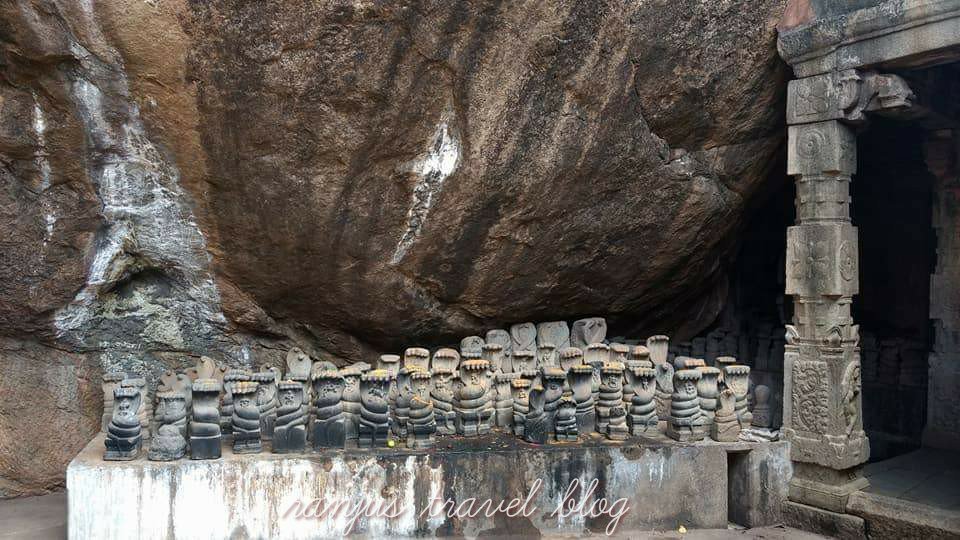

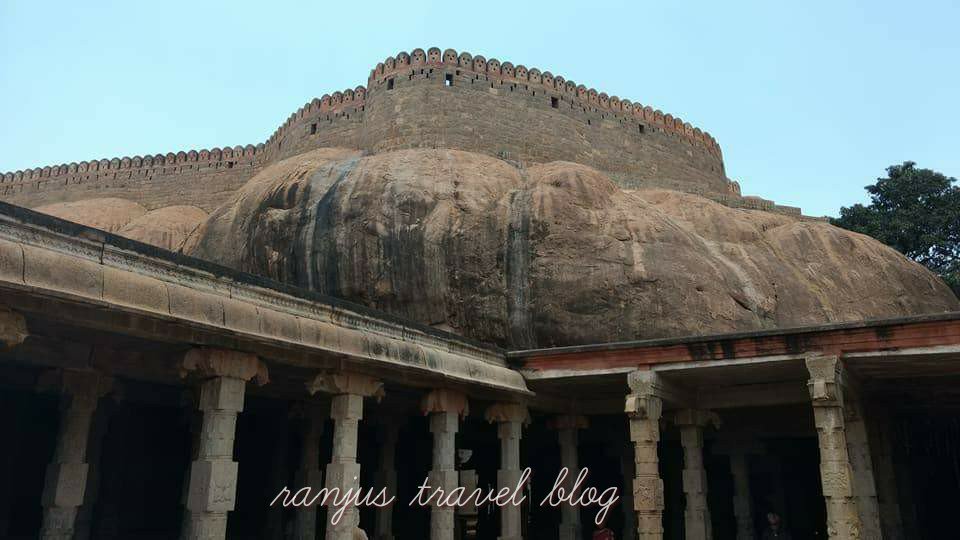

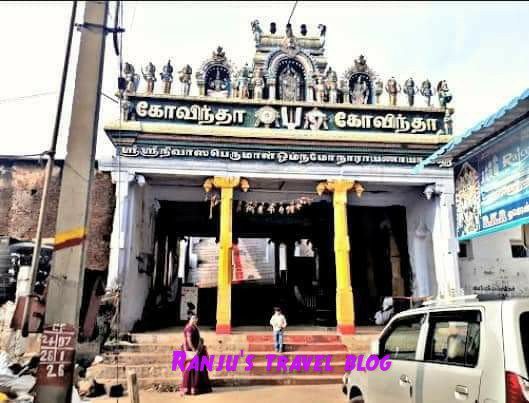
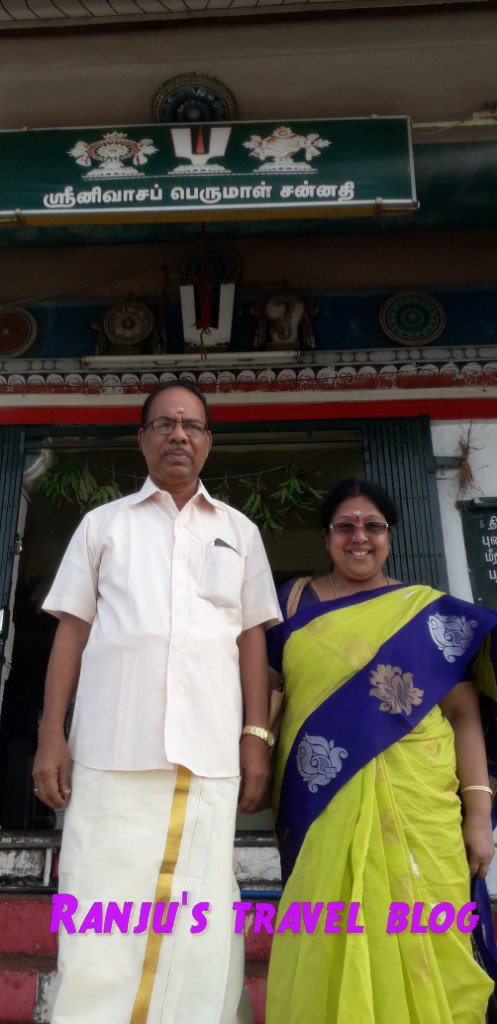
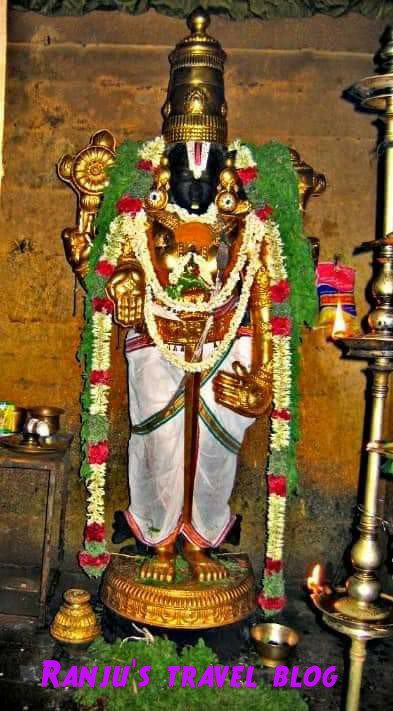



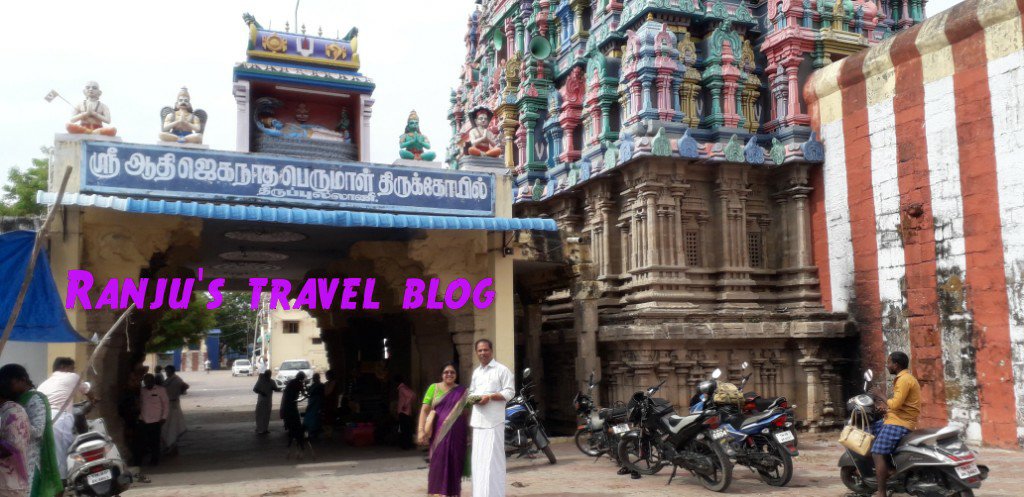
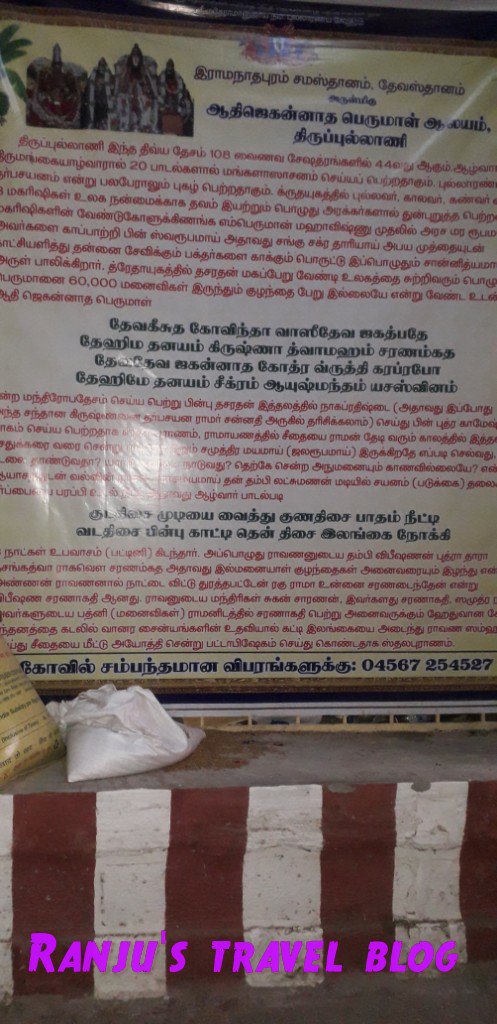
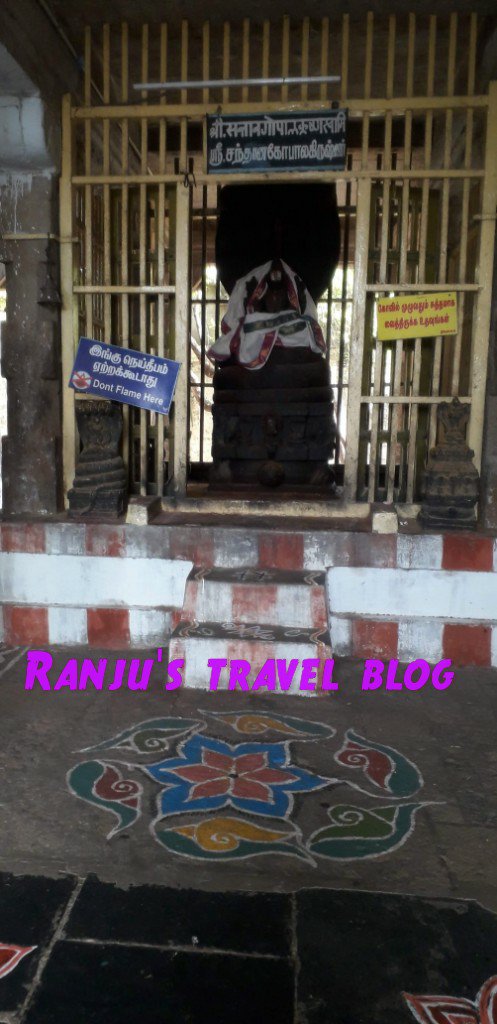

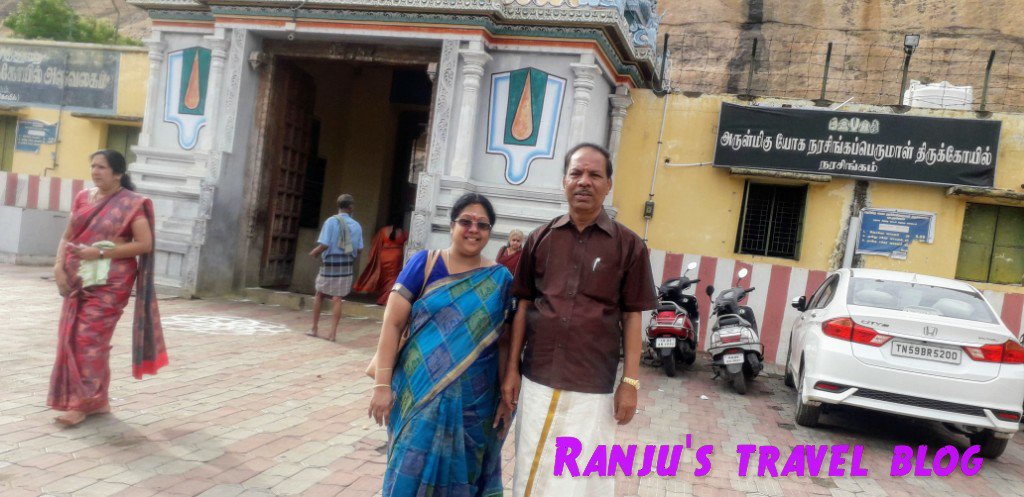


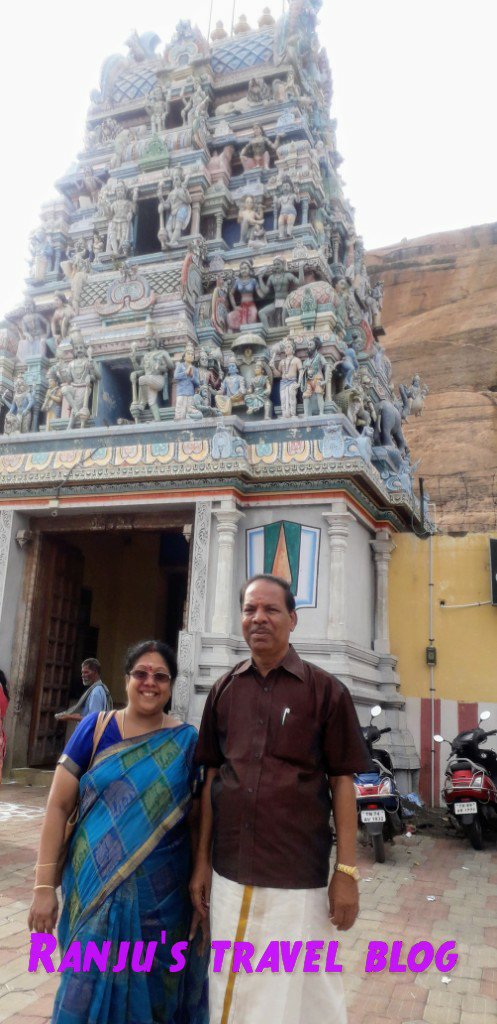


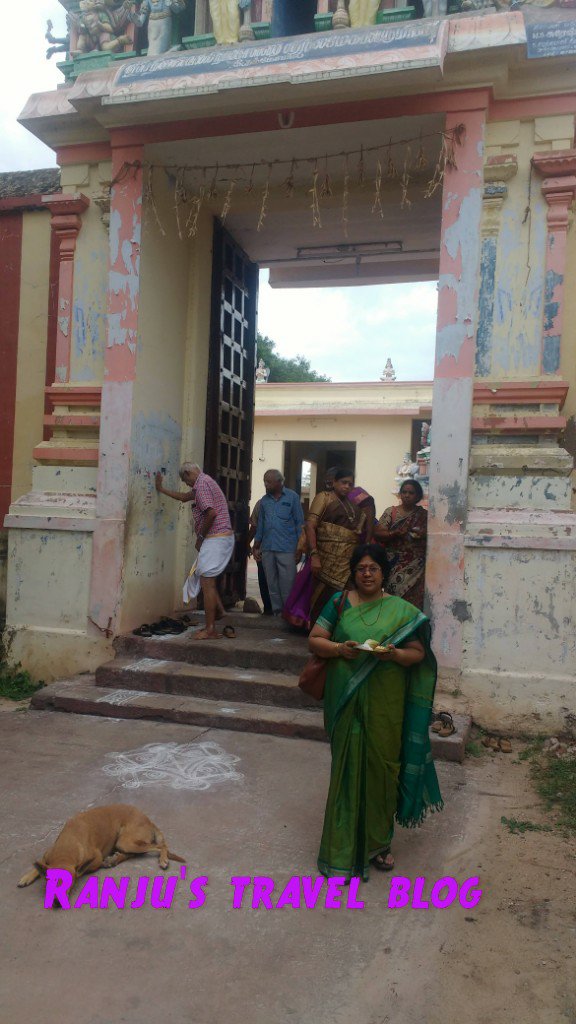


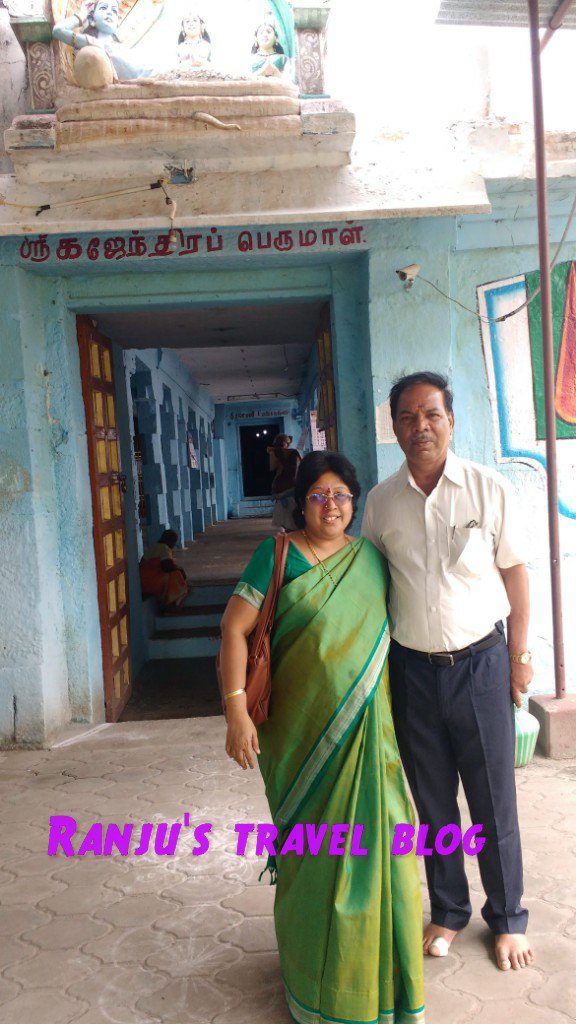
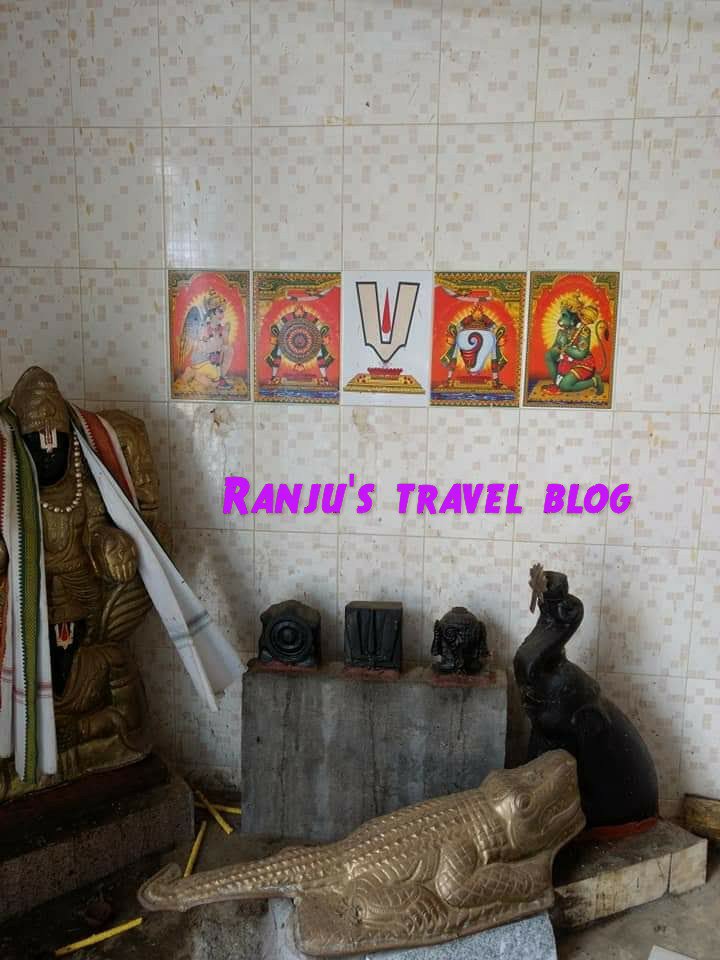
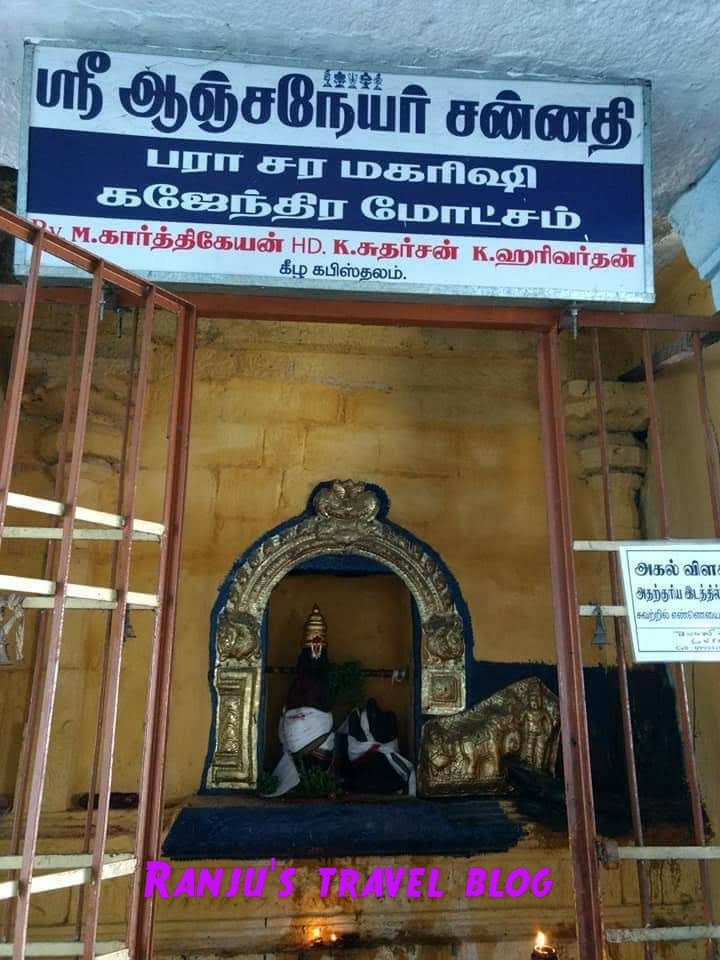
 Ranjus travel blog
You must be logged in to post a comment.